Orchid Island, also know as Lanyu, is a small island off the southeastern coast of Taiwan. It is a part of the Luzon Volcanic Arc and therefore the culture and natural conditions here are closely related to Batan of Philippines, rather than that to Taiwan.
Because of Orchid Island’s remote location, it retains much of the culture and natural resources. Moreover, it has the only tropical rainforest climate in Taiwan, so it really gives us a taste of a tropical oceanic island. Just like a wonderland, you could cast all the worries to the winds and relax here.
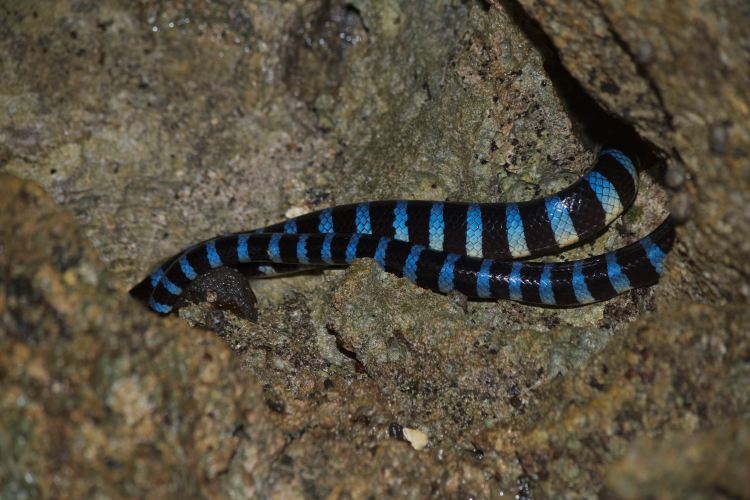
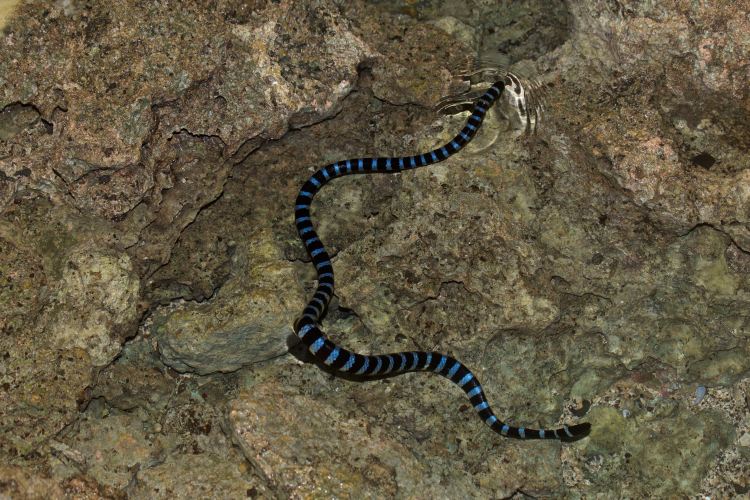
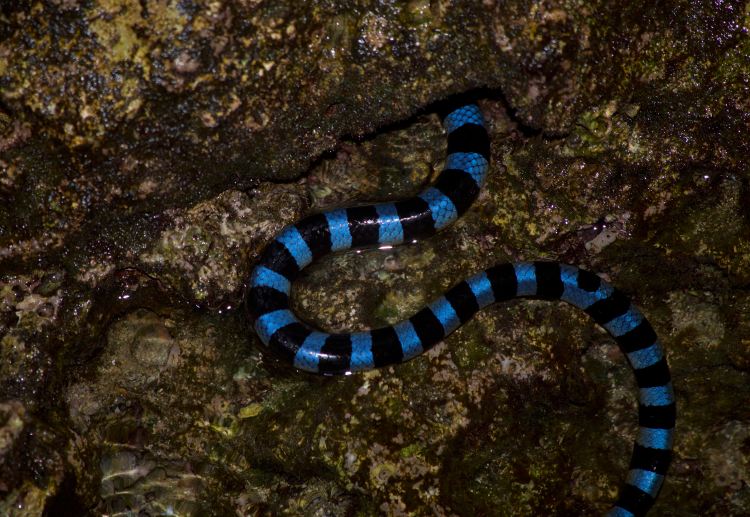
For tourists, going snorkeling and diving are the most popular activities here. The clear water, corals, and tropical fish compose the beautiful underwater world around Orchid Island. You can also see many sea snakes while swimming in the sea. Despite being extremely venomous, they are very mild and only use their venoms on their prey, so you don’t have to worry about them. You can have a good look and admire these beautiful creatures living in the sea. This is the ocean part of Orchid Island.
Blue-lipped Sea Krait
Similarly, the land part of Orchid Island is also wonderful. Because it is a volcanic island, it has steeper mountains, creating more astonishing landscapes.
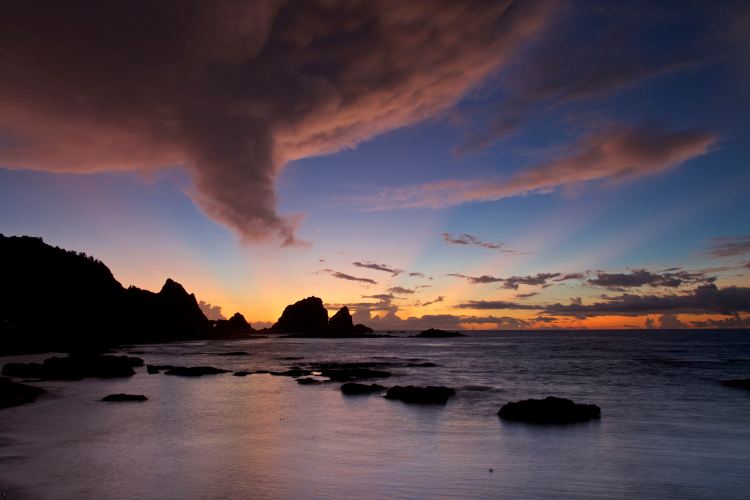
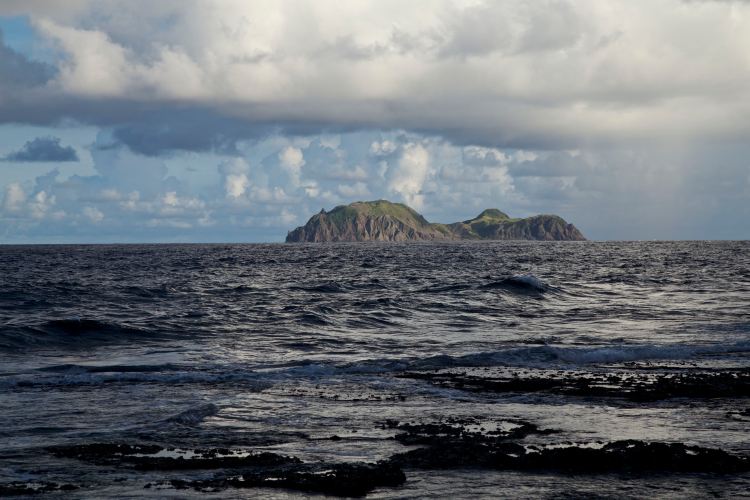
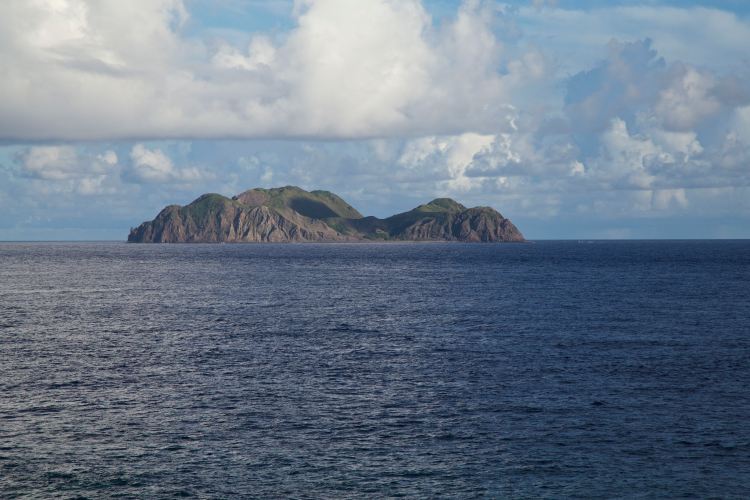
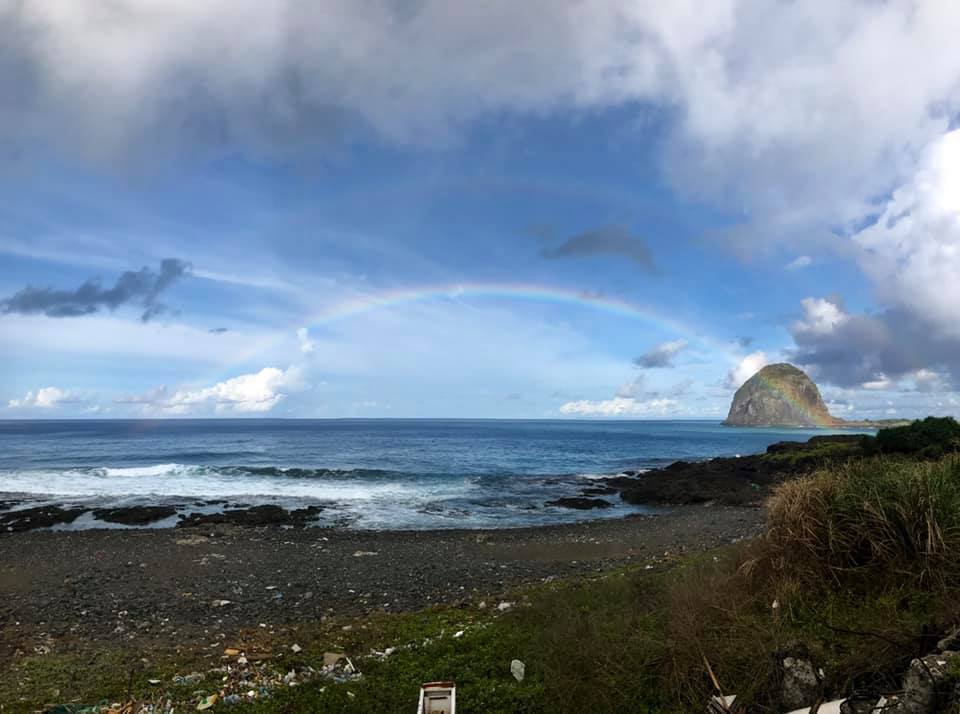
There are many odd-shaped rocks along the coastline and many islets surrounding Orchid Island as well. The biggest one among them is called the Lesser Orchid Island, without a surprise. It is uninhabited and the indigenous people deem it as a forbidden area. It is also home to the critically endangered Pink Moth Orchid, which Orchid Island named after.
Lesser Orchid Island
Lesser Orchid Island
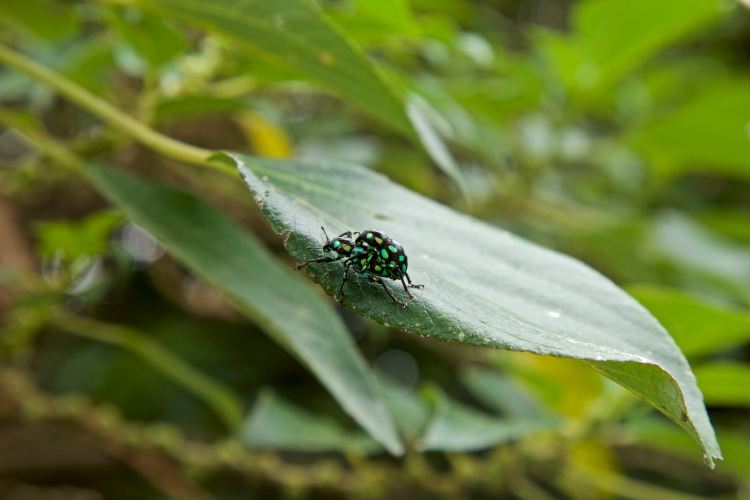
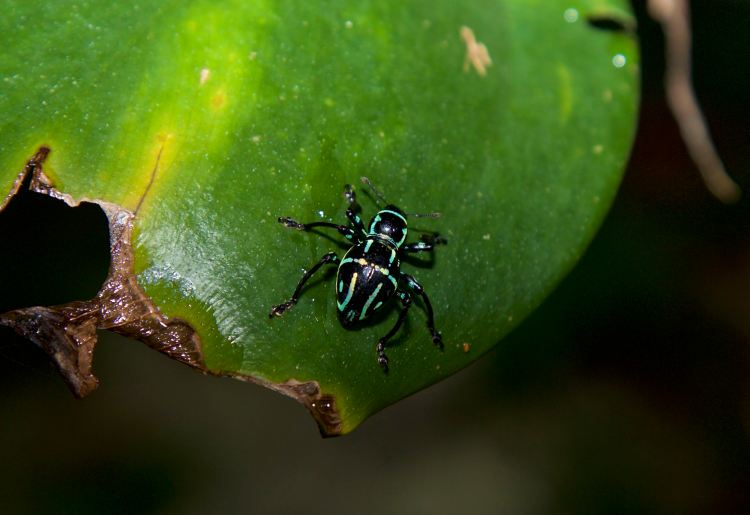
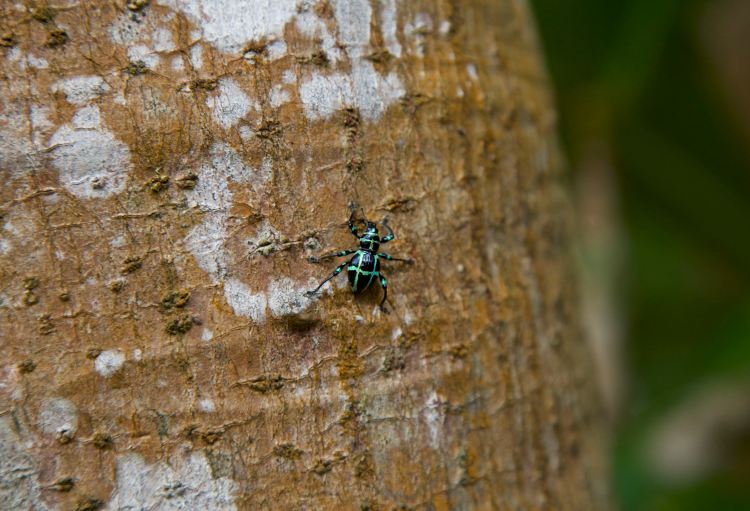
There are also many special animals living on the island. Numerous species of insects are endemic to Orchid Island because of its remoteness. The most attractive ones are definitely the Pachyrhynchus Weevils. There are 5 species of them in Orchid Island. It is a group of flightless weevils with aposematic coloration, which normally represents bright colors, on their bodies.
Pachyrrhynchus tobafolius
Pachyrrhynchus yamianus
Pachyrrhynchus sonani
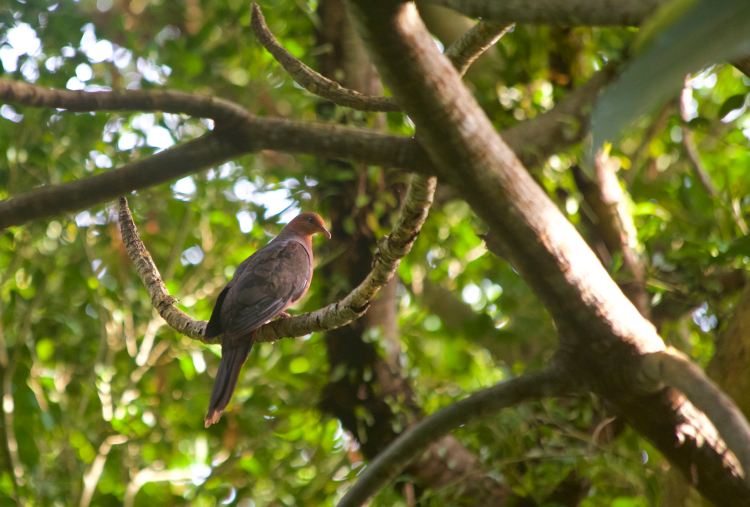
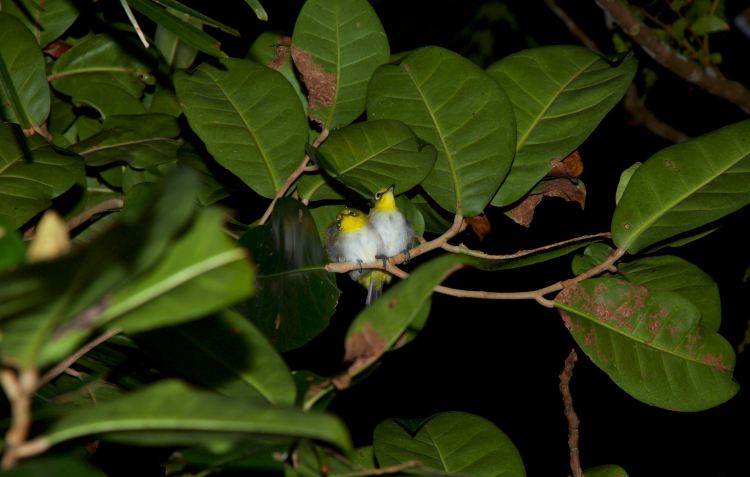
Other than the endemic species, there are animals that are rare in Taiwan but more commonly seen in Orchid Island, especially the birds. You can hear Ryuku Scops-Owls singing during the night. They are only distributed in Batan, Orchid Island, and the Ryukyu Arc. However, the indigenous people regard these Owls as the devil and think it would cause bad luck when they sing in the village. You can see many Lowland White-eyes throughout the island. They are only found in Orchid Island and the Philippines. They looked similar to the Swinhoe’s White-eyes commonly seen in Taiwan, but are actually slightly bigger in size and have a tiny difference in voice. Finally, there is one of my favorite birds present in Orchid Island, the Philippine Cuckoo-Dove. I like the rich cinnamon color of its underpart the most, it just looked so cool to me. Again, it is distributed only in Orchid Island, Philippines, and a small part of Borneo. The characteristics of these species’ distribution just show the close relationship between Orchid Island and the Philippines again and again.
Philippine Cuckoo-Dove
Lowland White-eye
Besides the richness of natural resources, the culture here is very unique, too. The indigenous people I mentioned above are called the Tao People, also known as the Yami People. You could experience paddling the tatala, which is the fishing boat for Tao People. You could have a taste of the most important fish for Tao People, the flying fish. There are many different ways to cook it and I think it’s quite delicious.
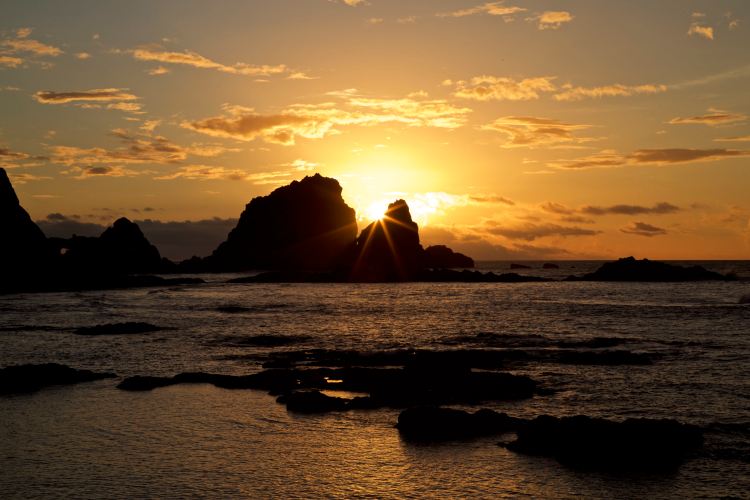
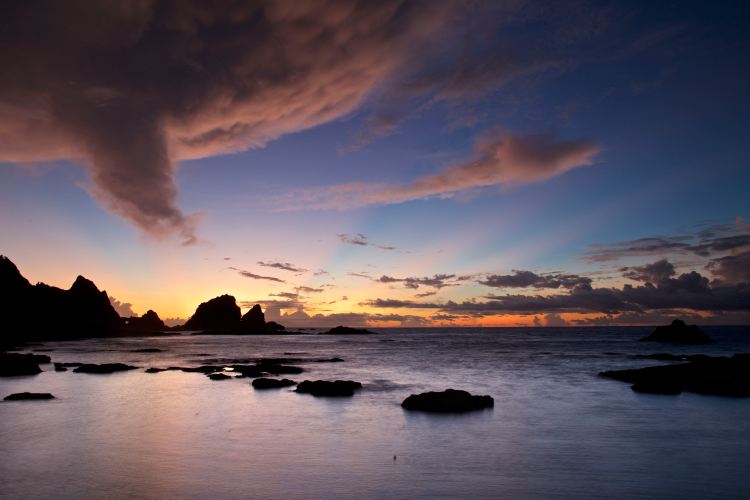
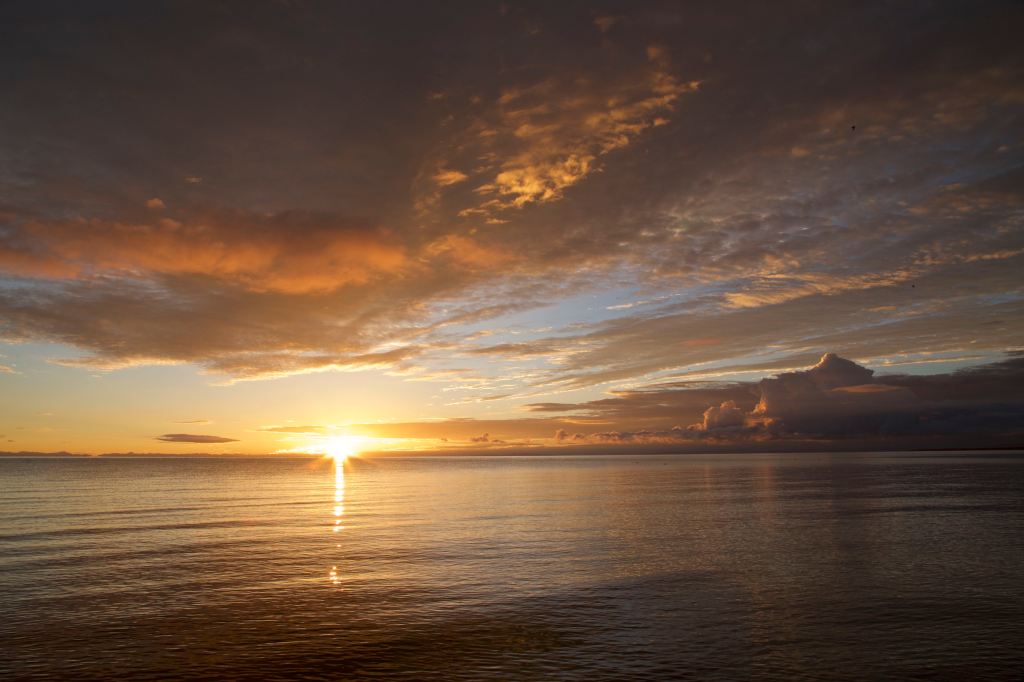
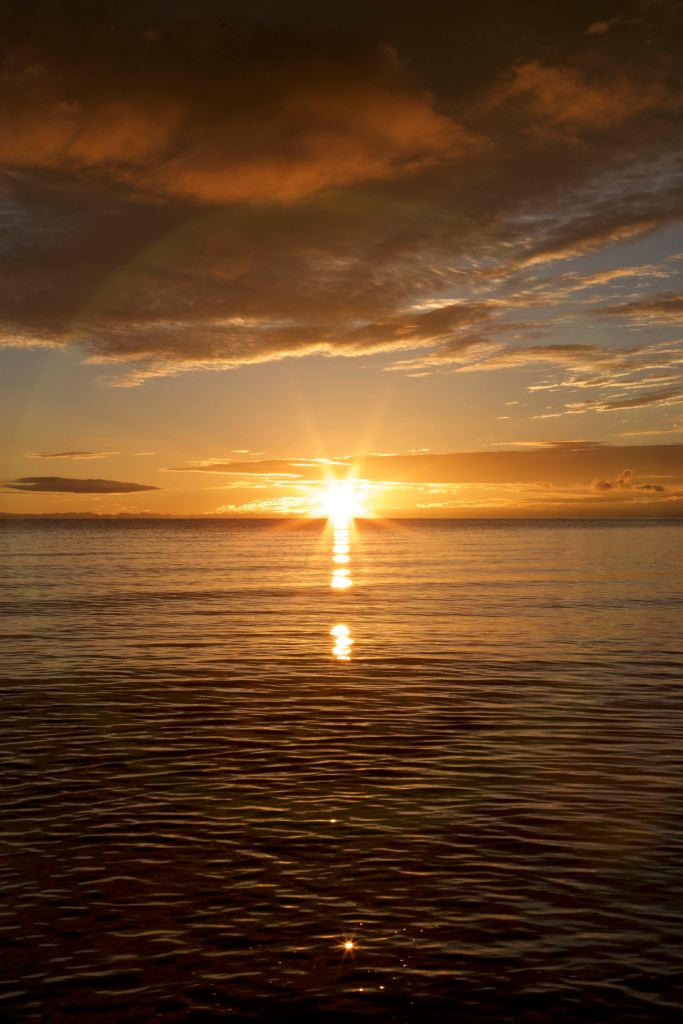
I went to Orchid Island in 2019 summer, the weather was cozy, sometimes rainy, and sometimes shiny. Because of this, we saw like 8 rainbows on a 7-day trip. The sunrise was very astonishing due to the weather condition, too. The high reflectiveness of large clouds in the sky increased the brightness of orange colors from the sun, and it also scattered the sunlight into many rays, enriching the morning sky.
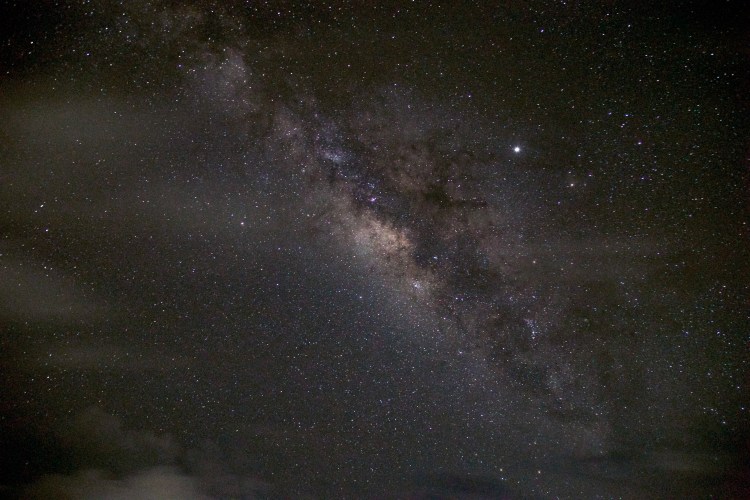
The star sky in the night is very beautiful due to the low light pollution on the island. Looking at the Milky Way in summer night has always been romantic, also there might be some meteors shooting across the sky!
Milky Way at summer
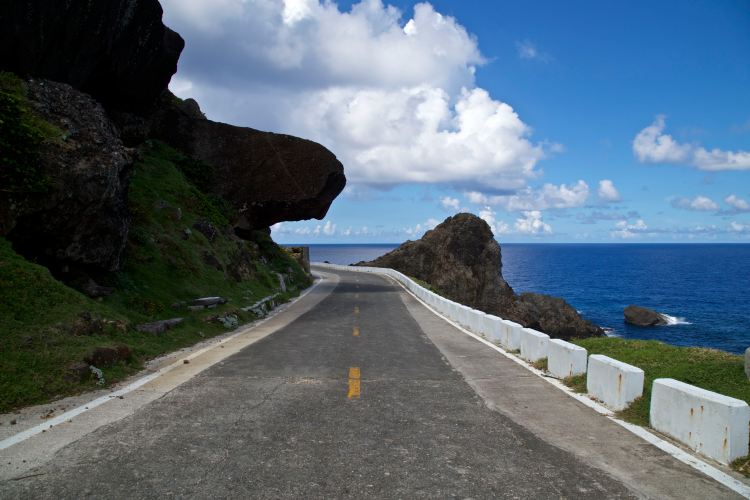
The remoteness and peacefulness are the reason why I love this island. We don’t see traffic lights, skyscrapers, MRTs, and more modern facilities here, but only primitive roads, houses, and the long-lived culture.
After all, are you interested in Orchid Island? This wonderful place is waiting for your visit and I’m sure that you will like it.
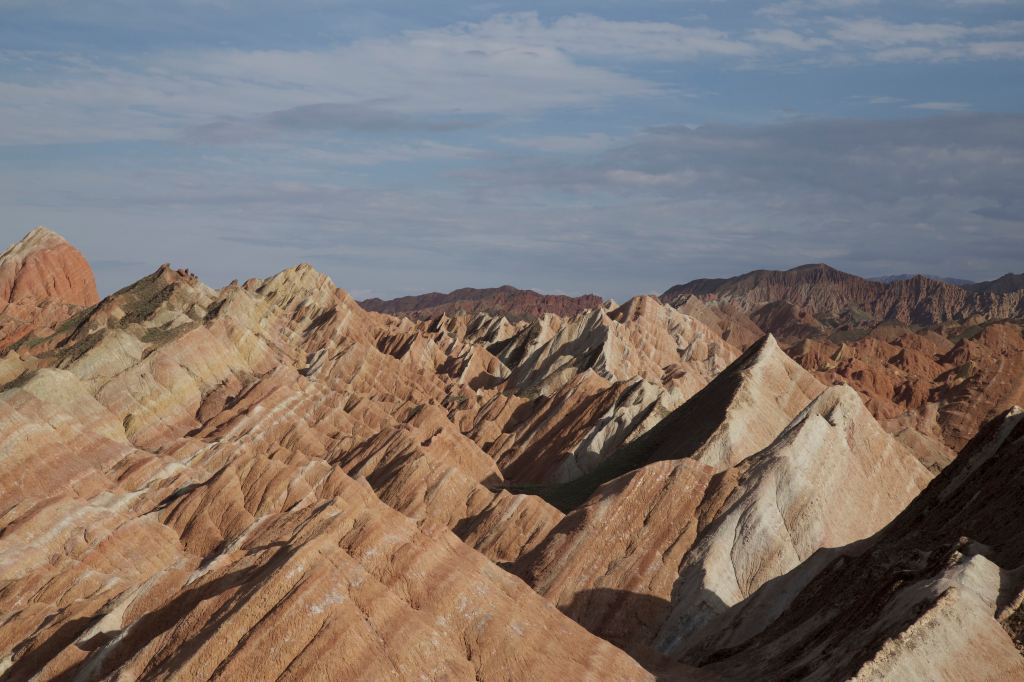
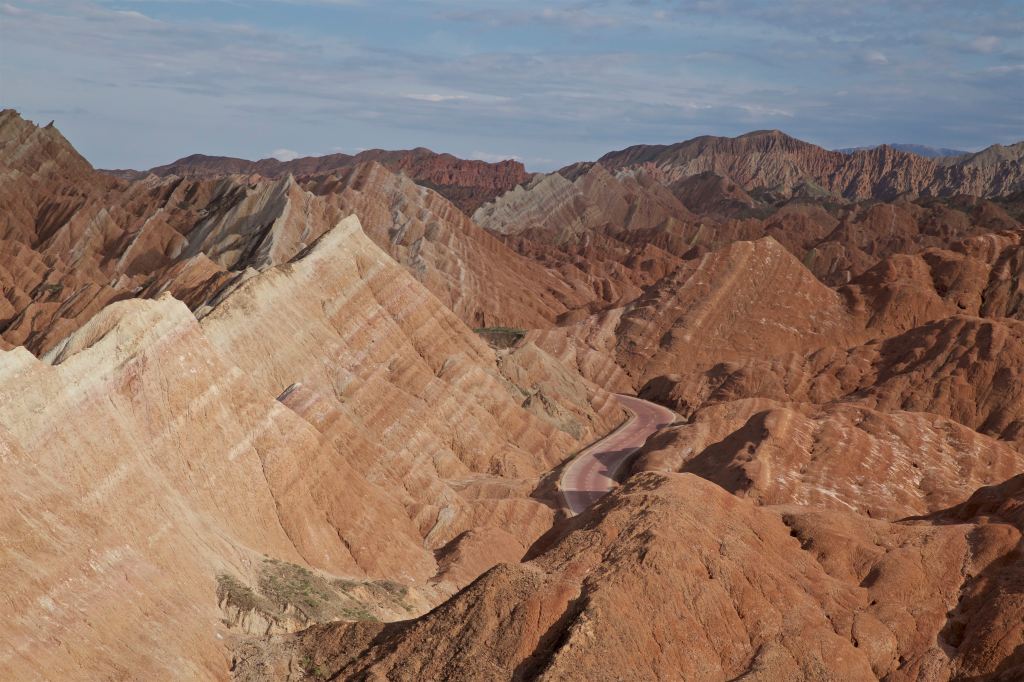
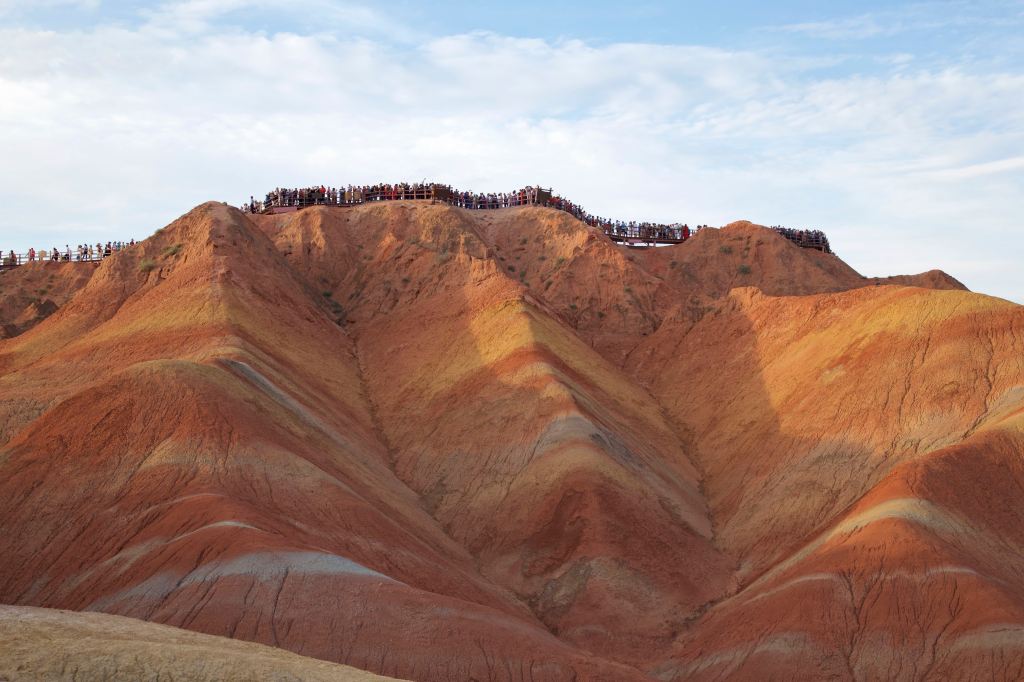
The scenery of China is indeed magnificent, however, we couldn’t neglect the astonishing wildlife there as well.
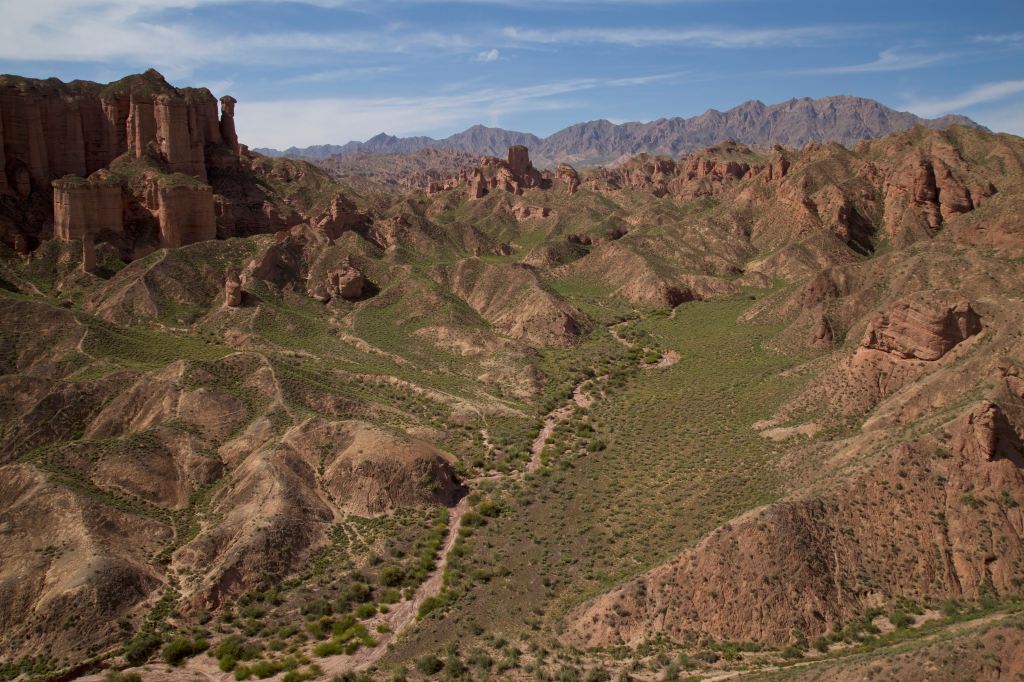
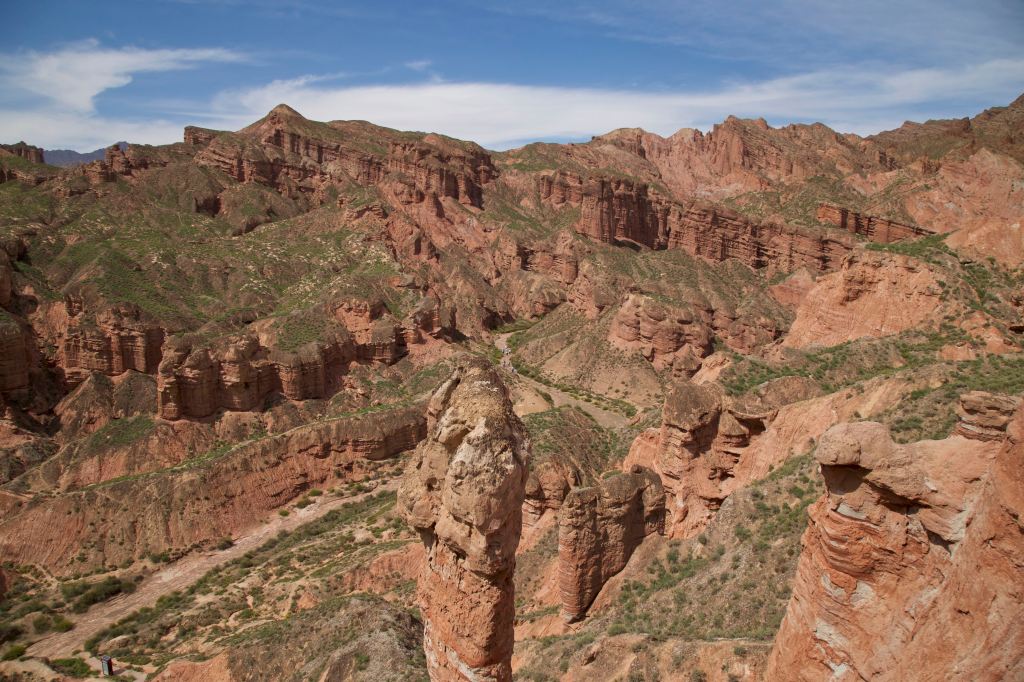
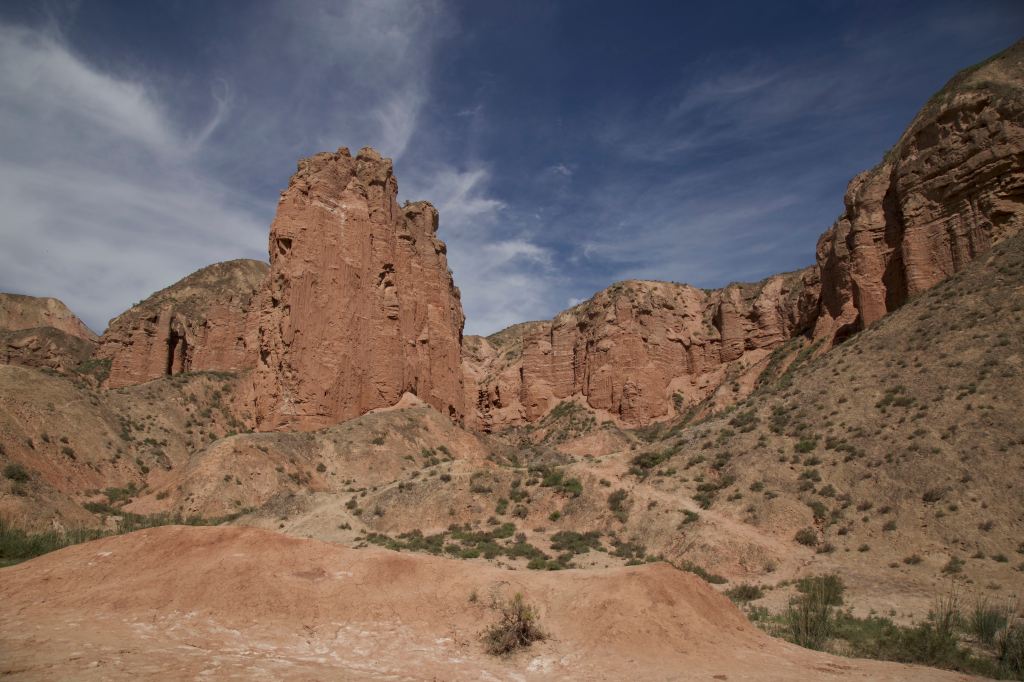
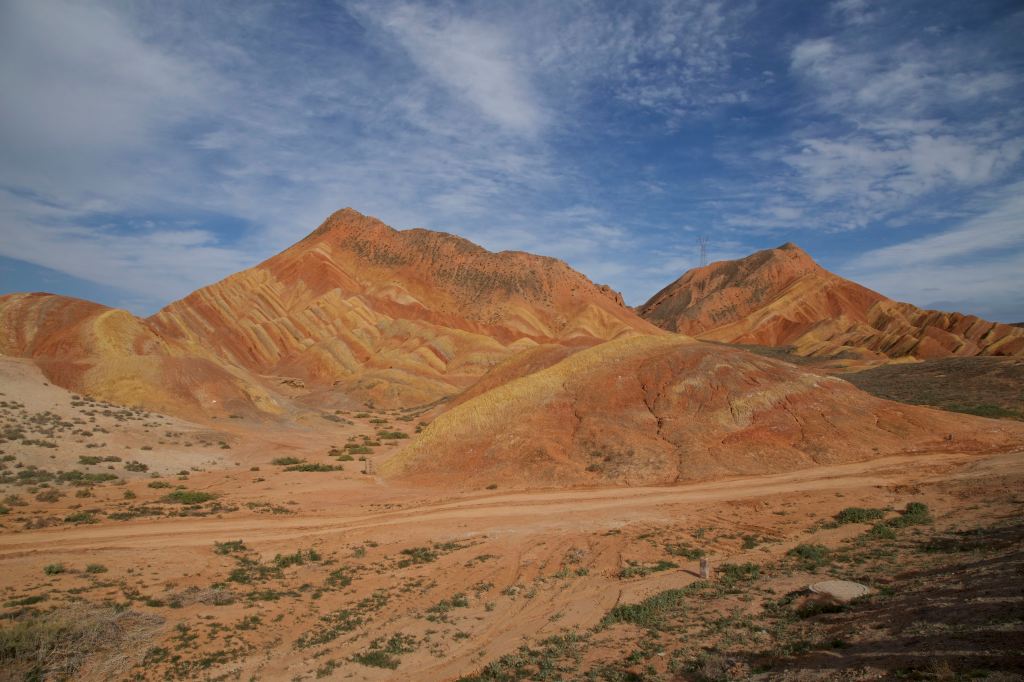
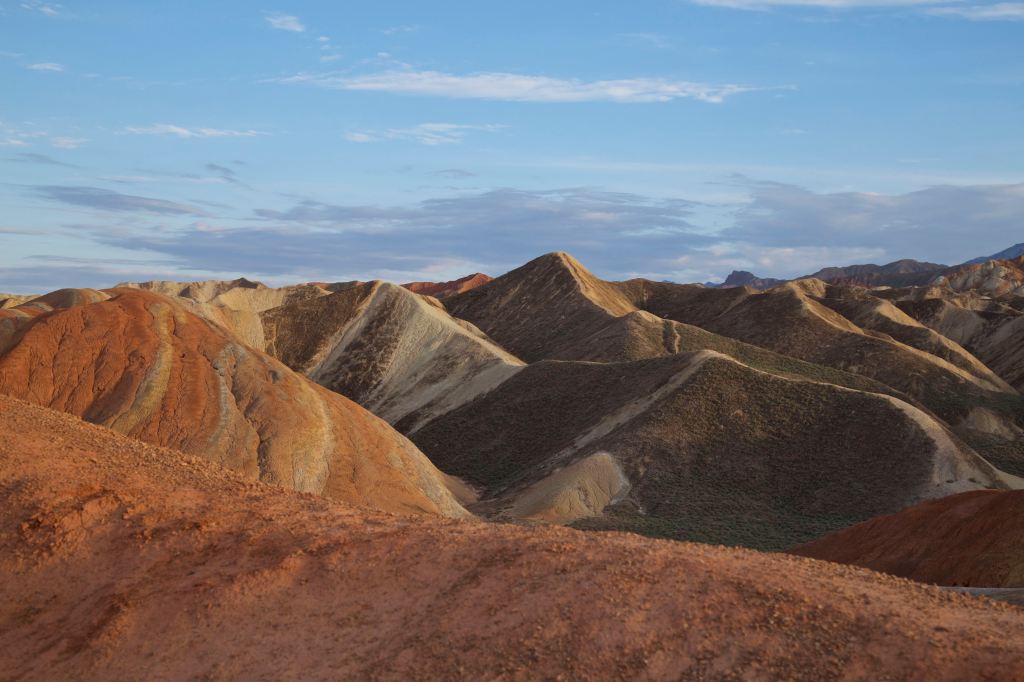
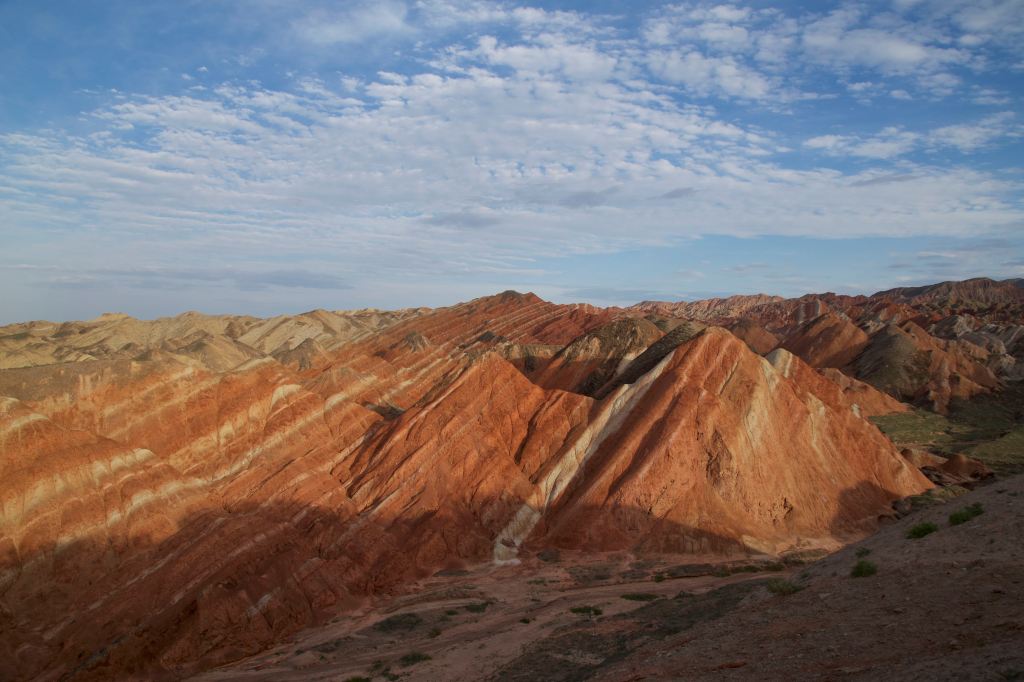
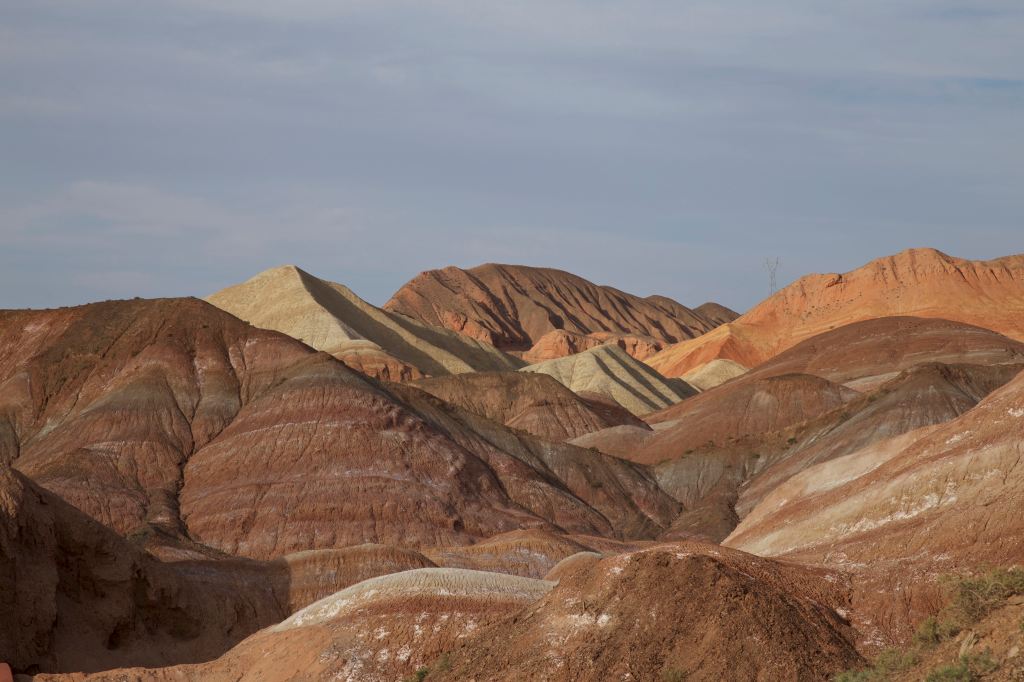
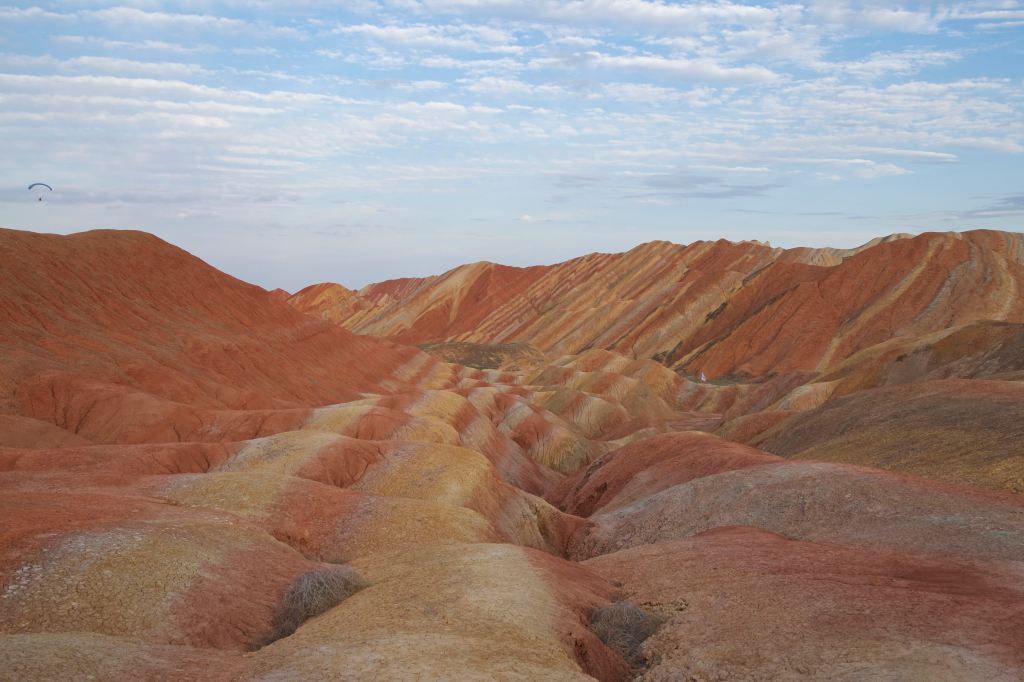
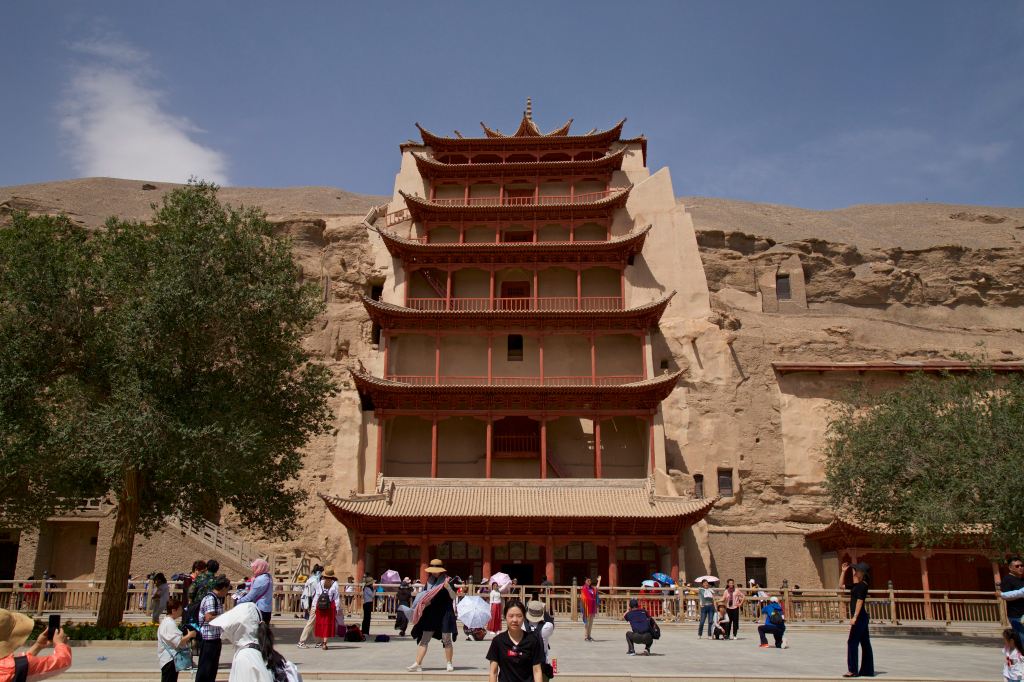
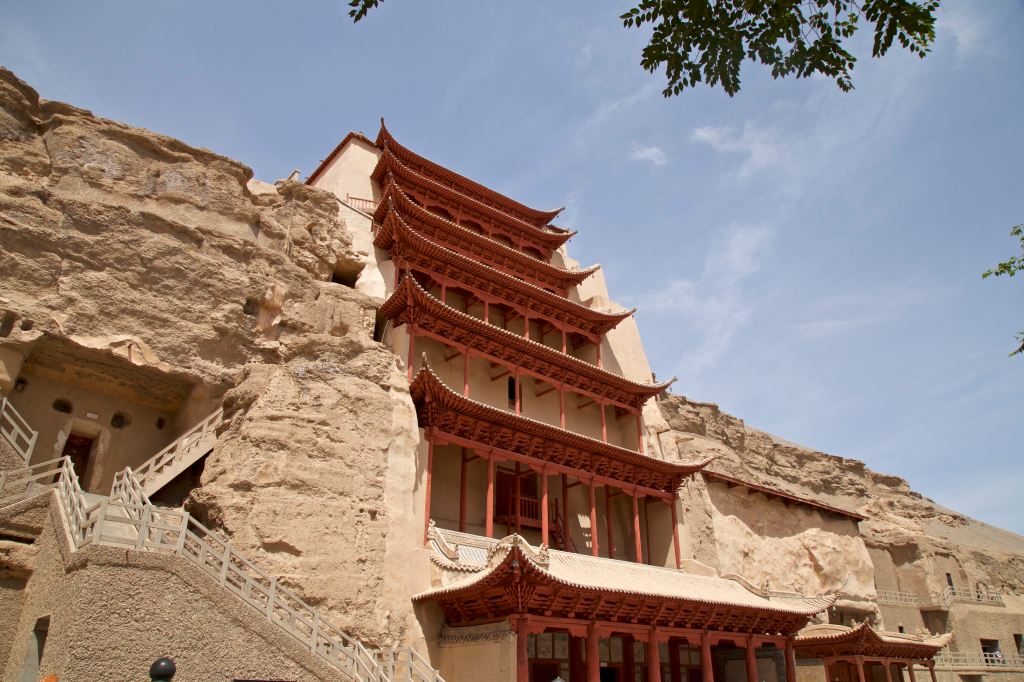
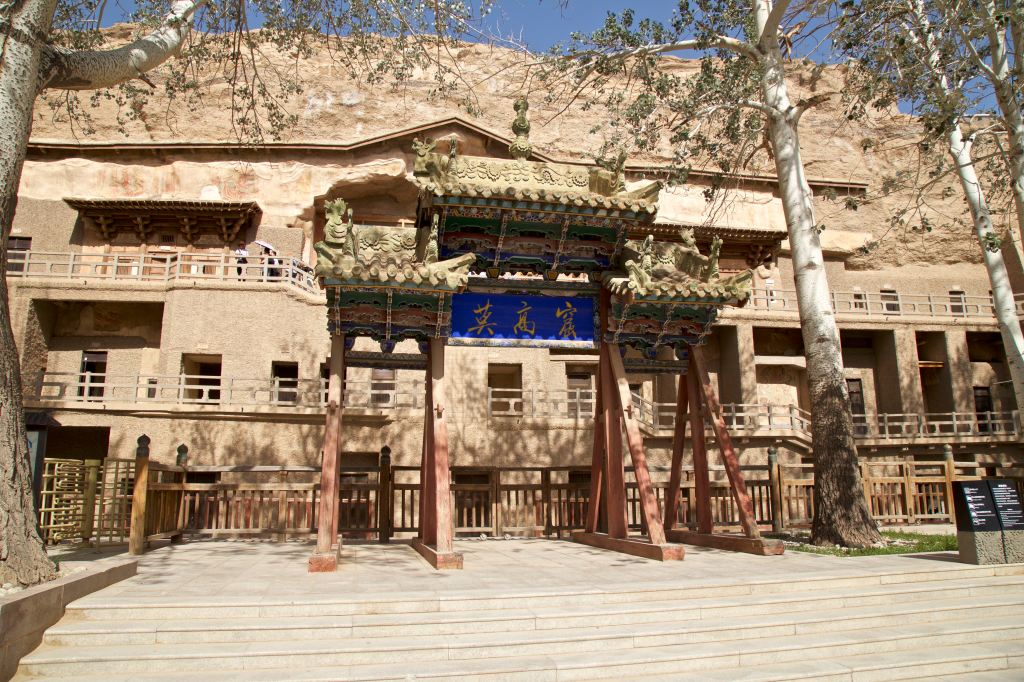
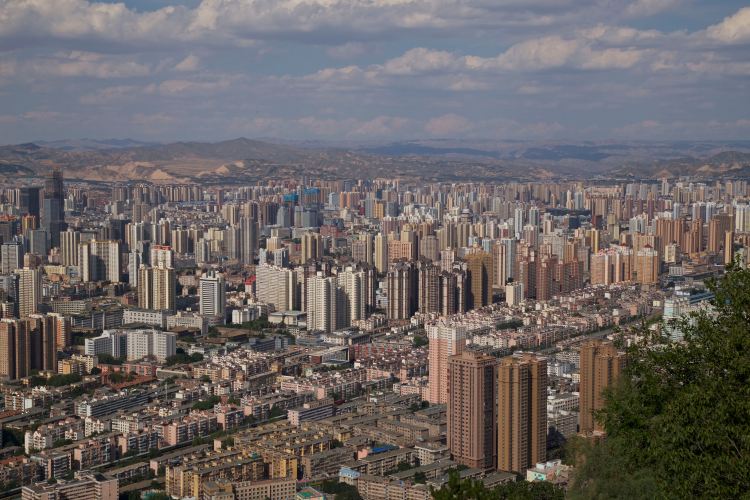
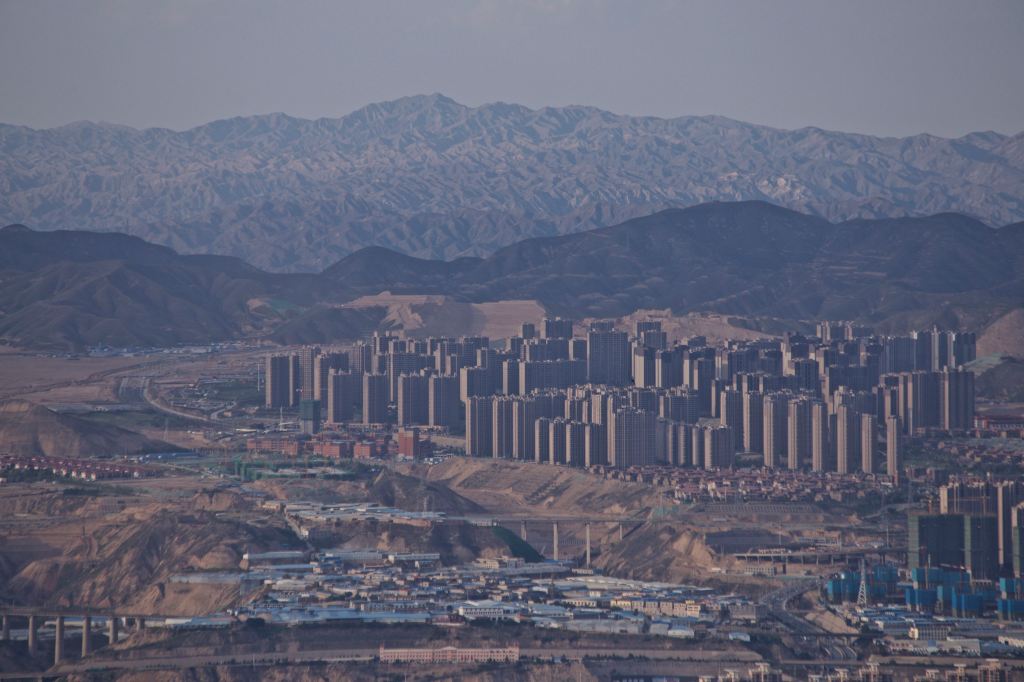
Our trip starts in Lanzhou, then we went across the whole Gansu province to many cities such as Dunhuang, Zhangye. After that, we visited Qinghai lake and finally ended the trip in Xining. Further information about the attractions was already documented in my previous blogs. Now, let’s begin with the birds we saw during the trip!
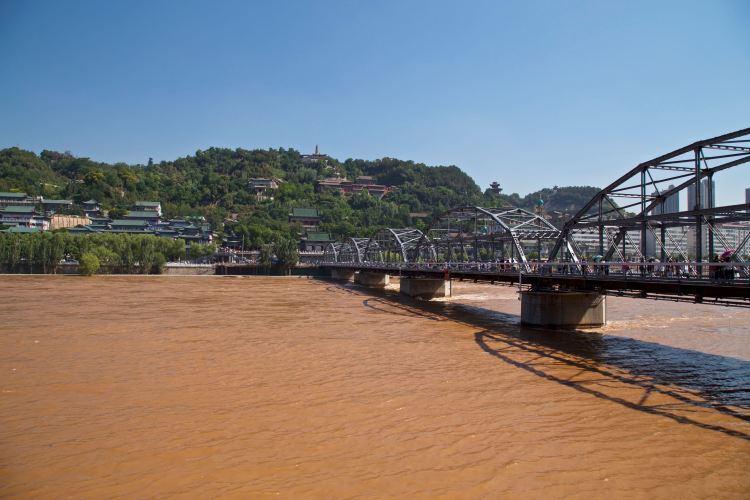
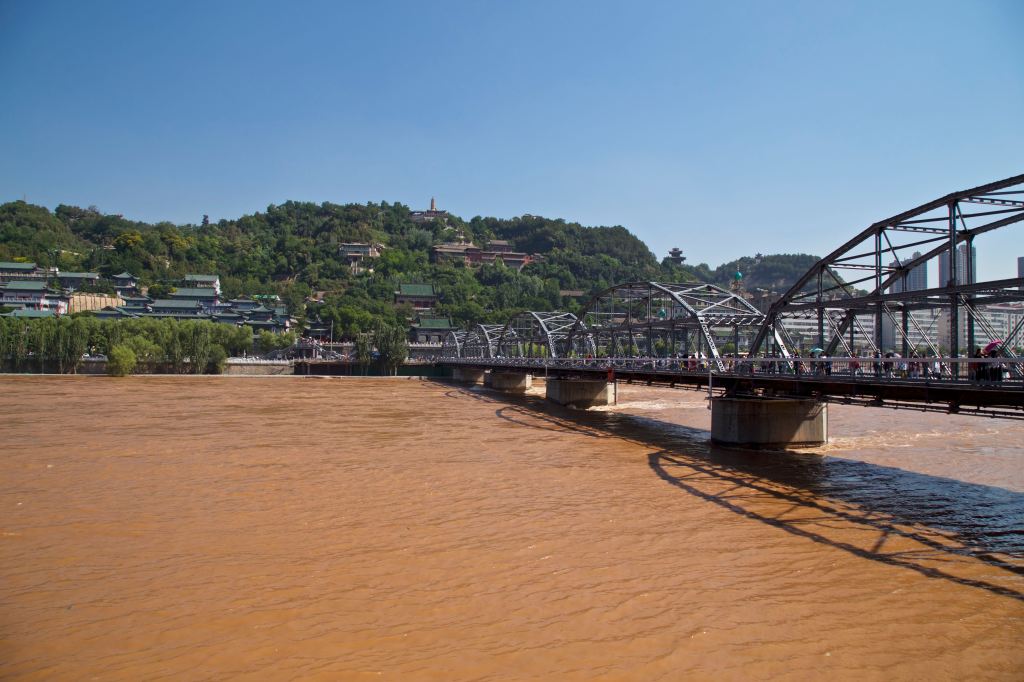
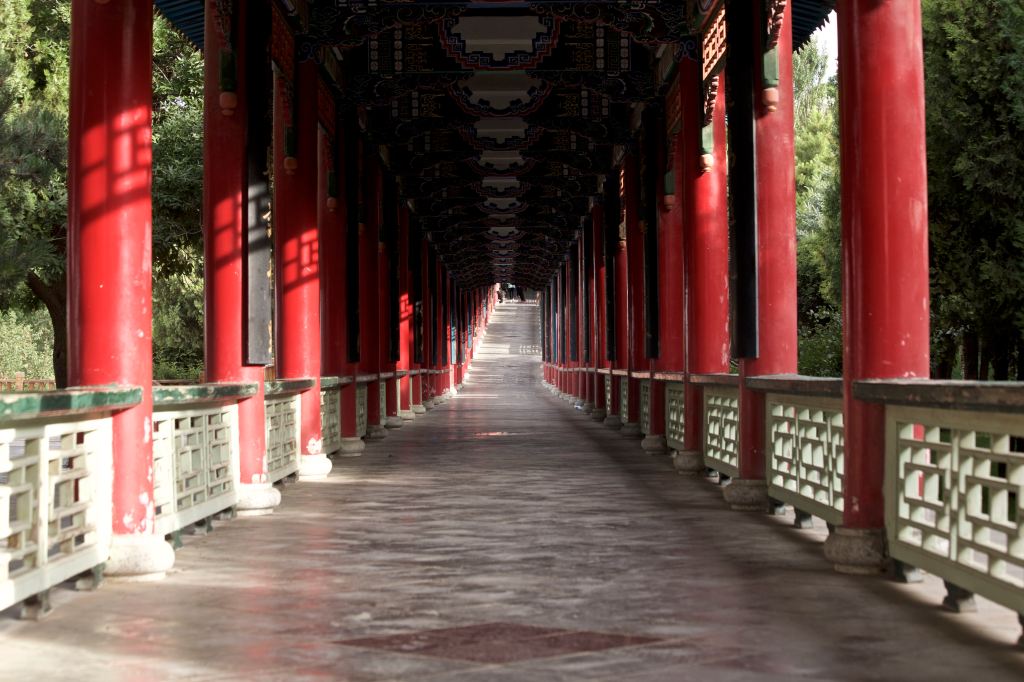
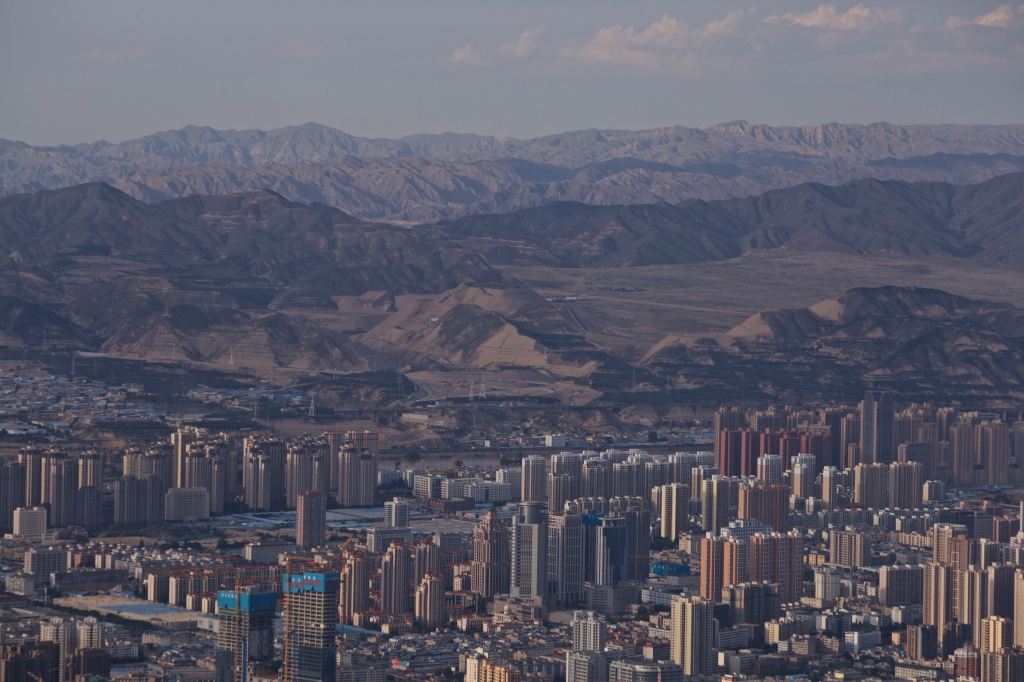
July 10th, Lanzhou. All the memorable birds here were all seen at the trail around Lanshan Park. It’s a relatively peaceful attraction compared to other famous ones, it’s not crowded at all. With an altitude of 2000m and some forest here, the birdlife here is quite abundant.
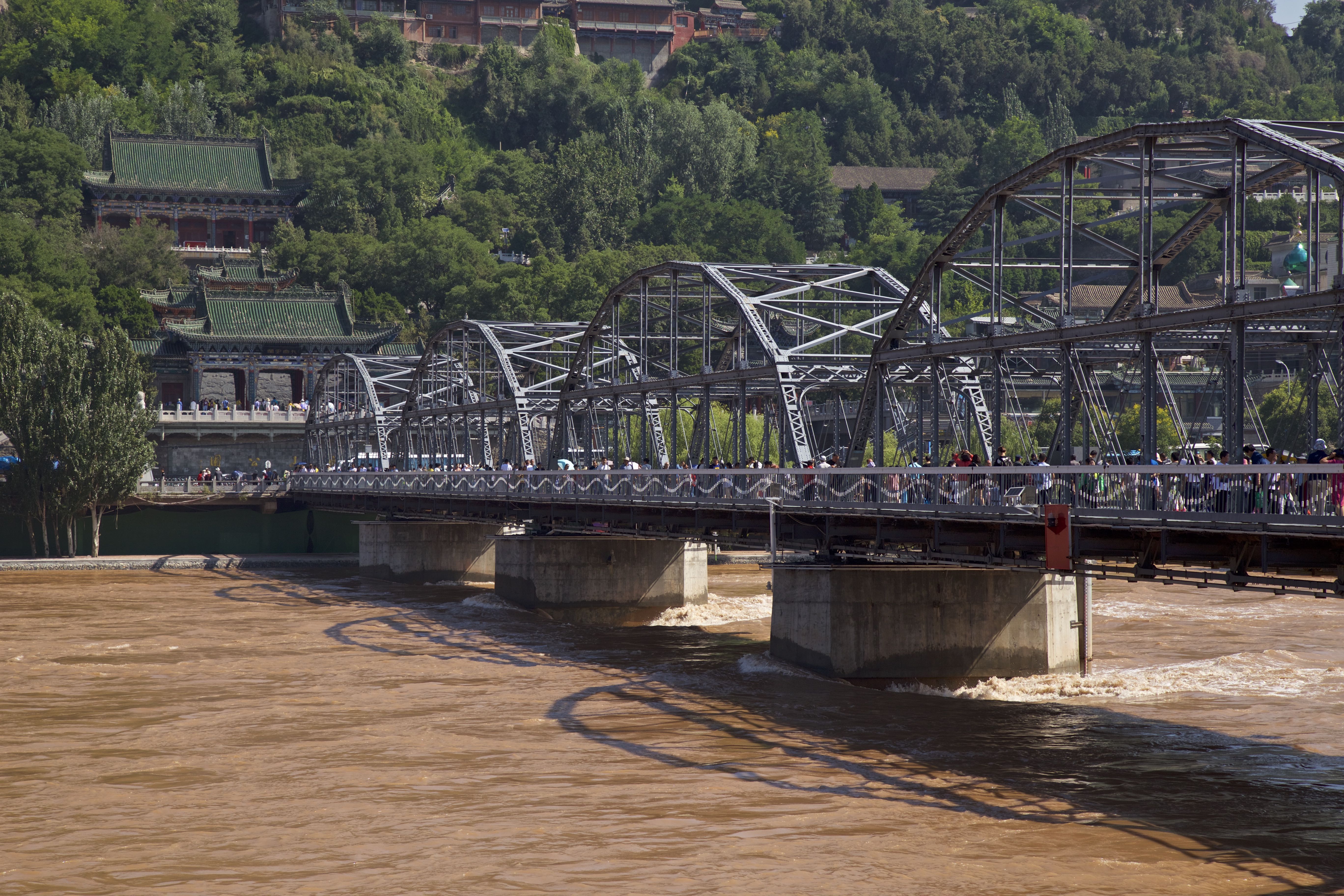
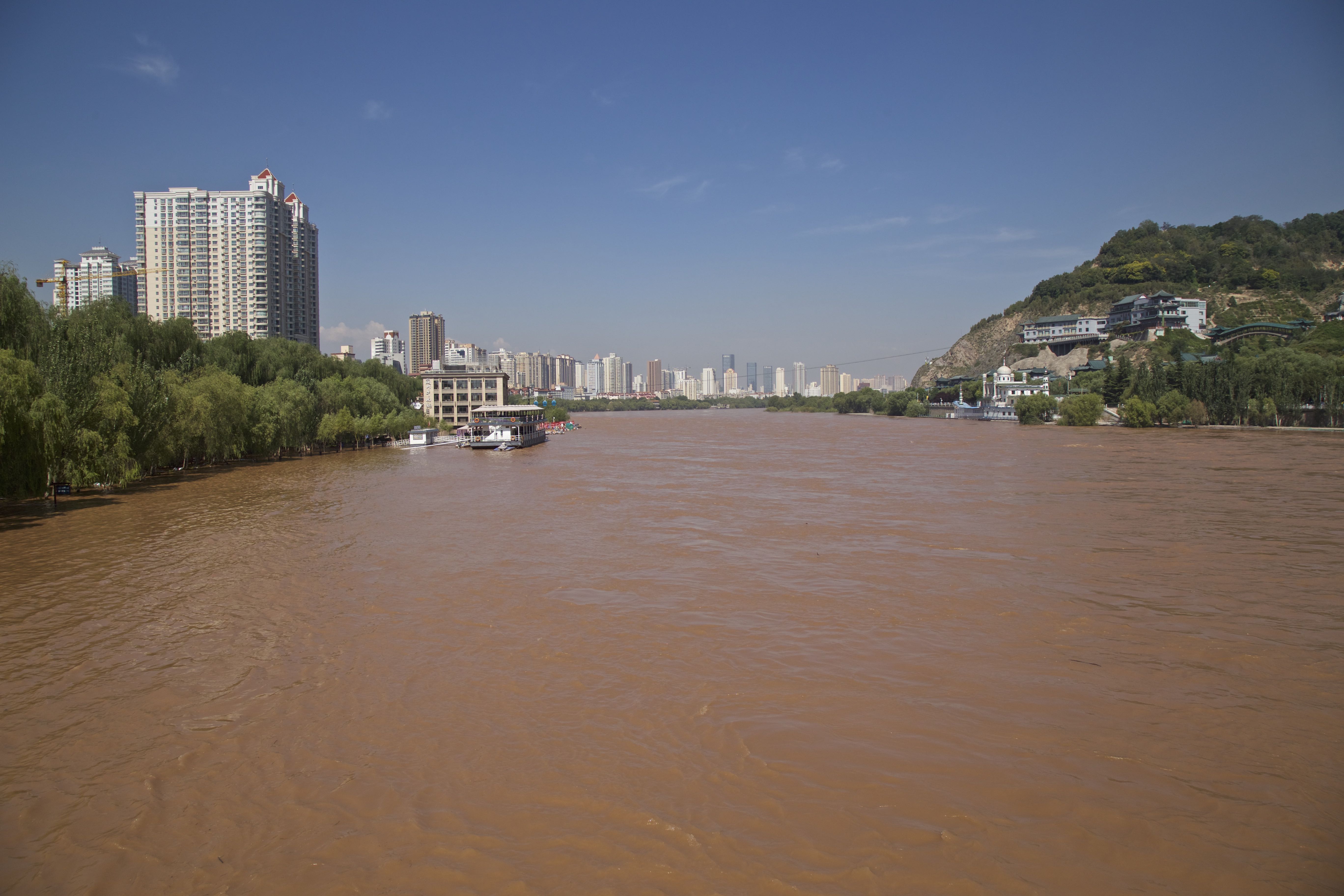
Yellow River in Lanzhou
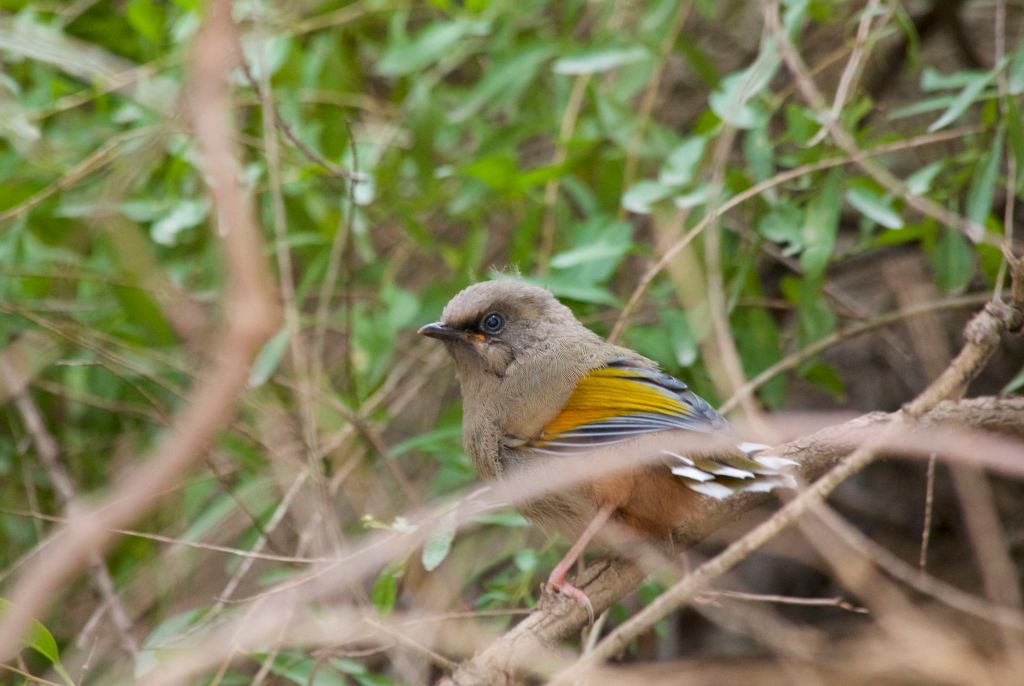
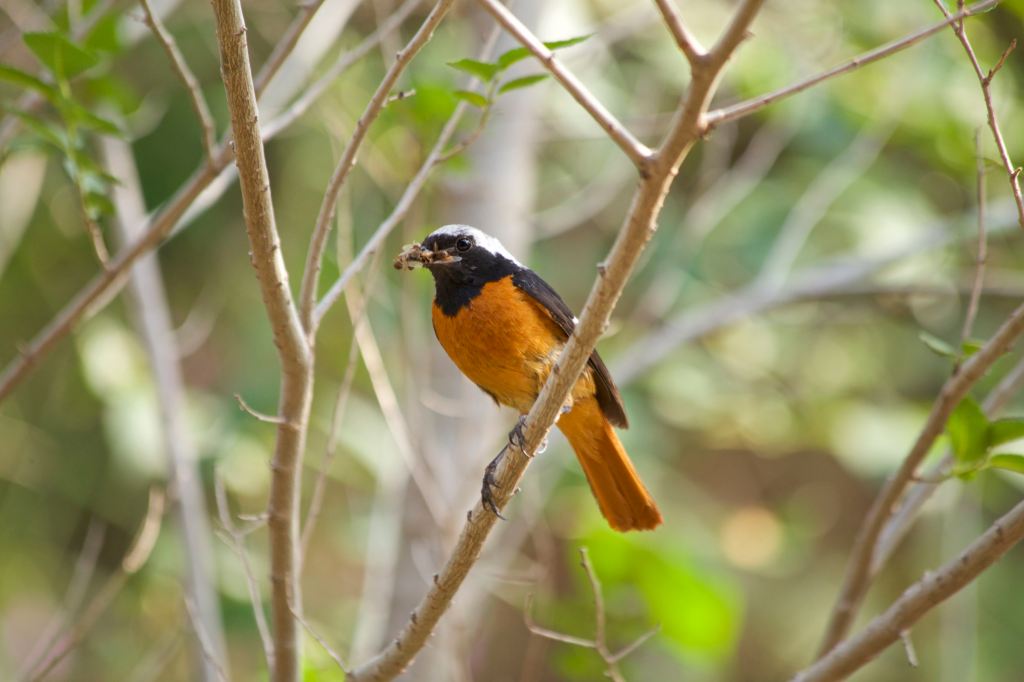
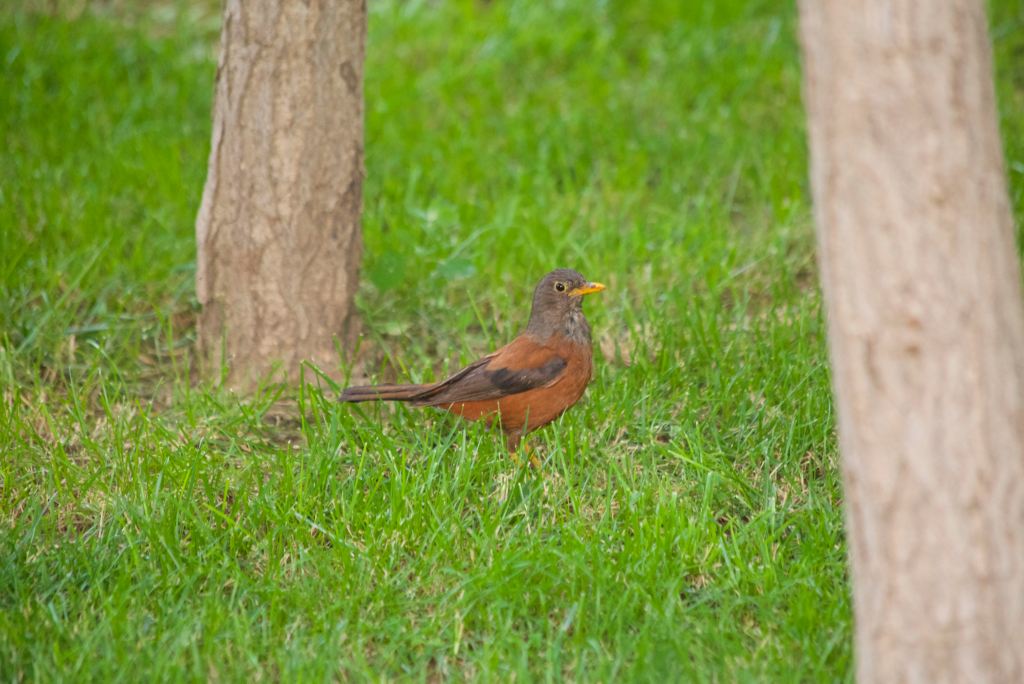
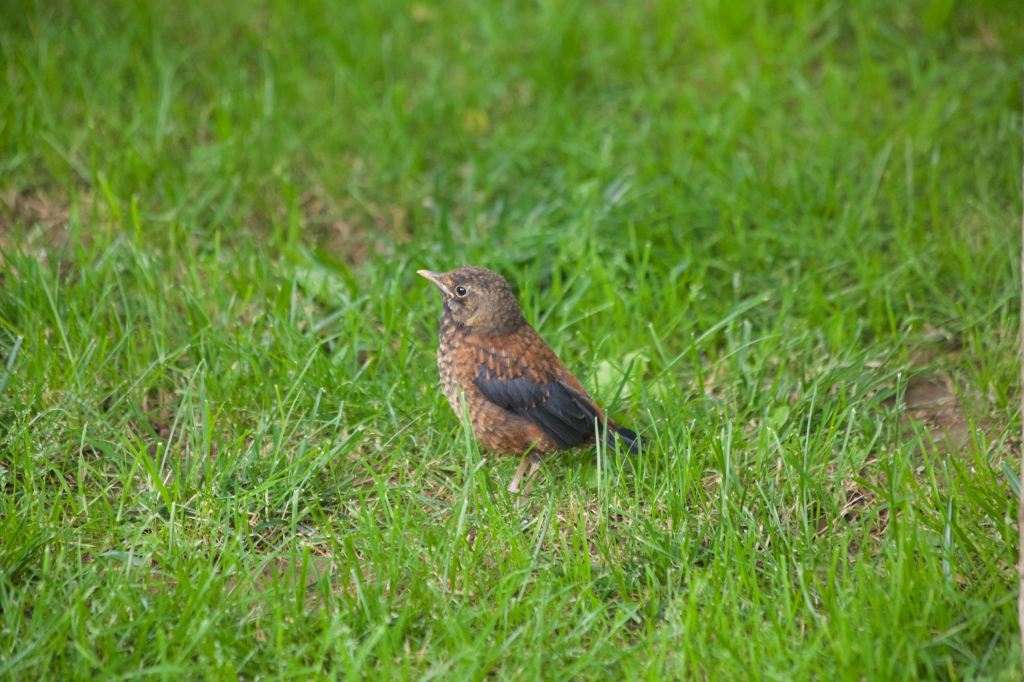
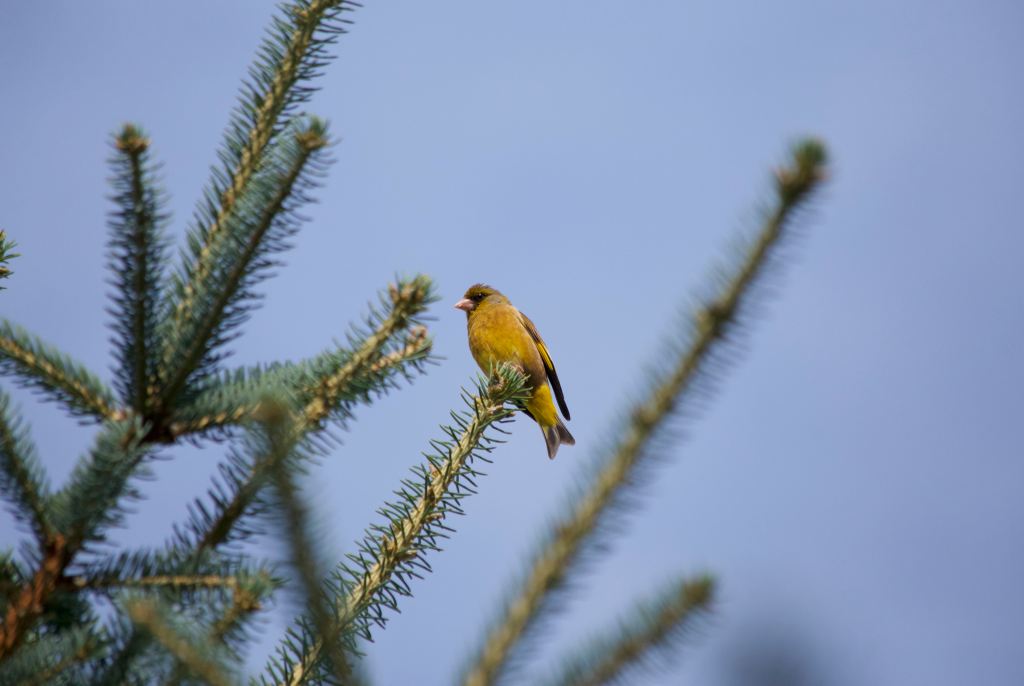
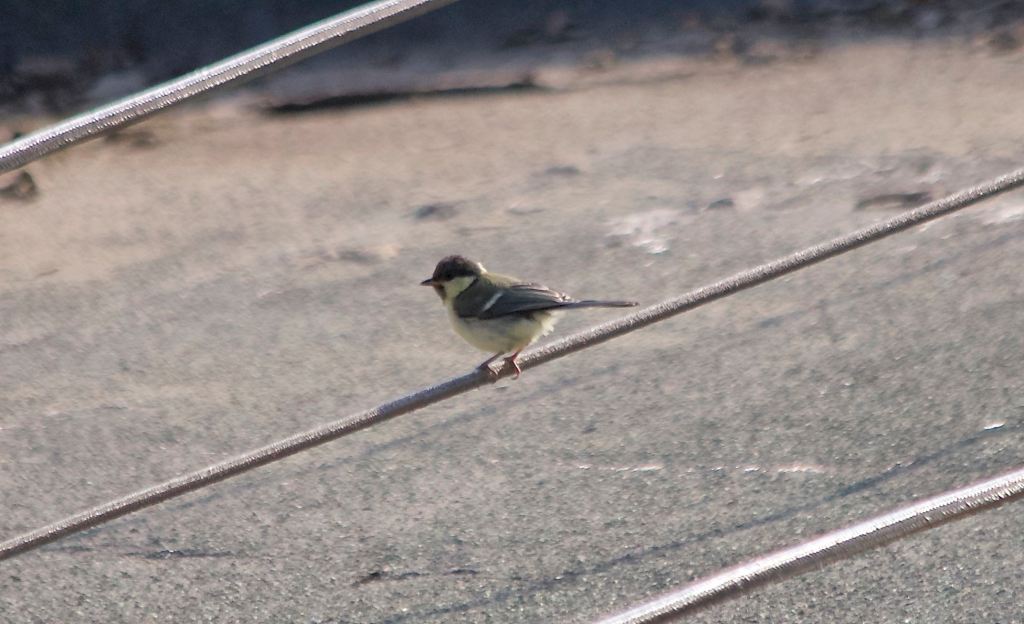
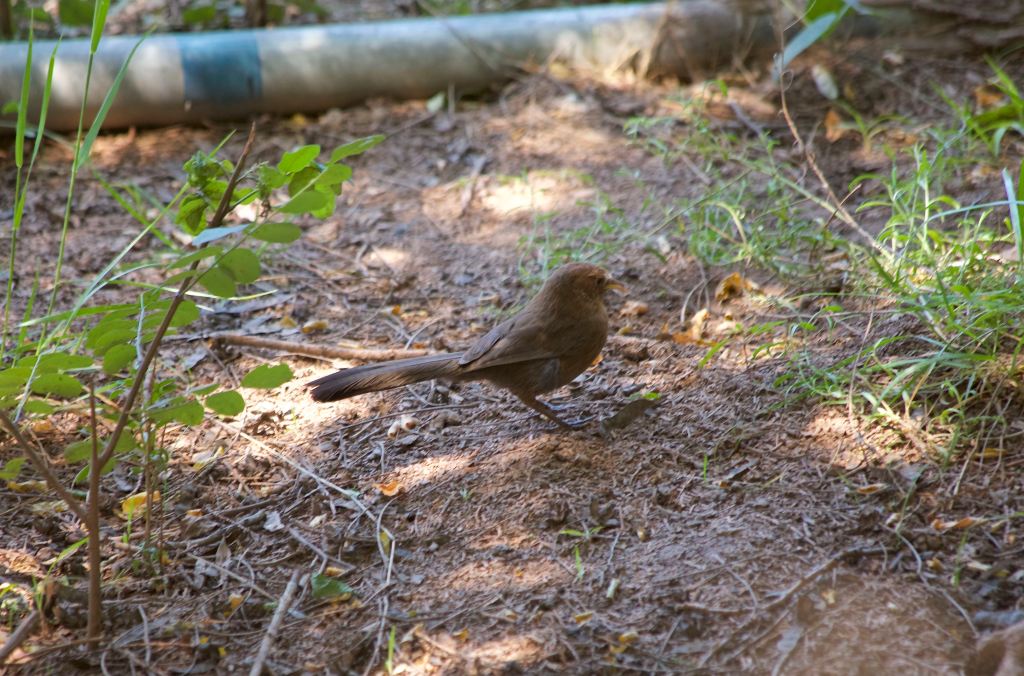
There were many Daurian Redstarts throughout the area, which are commonly seen in Taiwan in winter. Elliot’s Laughingthrush showed up frequently as well, they looked familiar to me, probably because of the similar appearance as the White-whiskered Laughingthrush which is an endemic species to Taiwan, since they are in the same genus Trochalopteron. Another species of laughingthrush popped up as well, which is called a Pere-David’s Laughingthrush. It seems to be rarer than the Elliot’s, both are still good finds nevertheless. Some Oriental Greenfinches, Silver-throated Tits, and Japanese Tits occasionally jumped into sight, adding the diversity to the birdlife. Finally, at the highest point of the park, there’s the building called Santai Pavilion. Several Chestnut Thrushes standing on the lawn beside the pavilion, making it a nice ending for Lanzhou.
Elliot’s Laughingthrush
Daurian Redstart
Chestnut Thrush (Adult)
Chestnut Thrush (Juvenile)
Oriental Greenfinch
Japanese Tit
Pere-David’s Laughingthrush
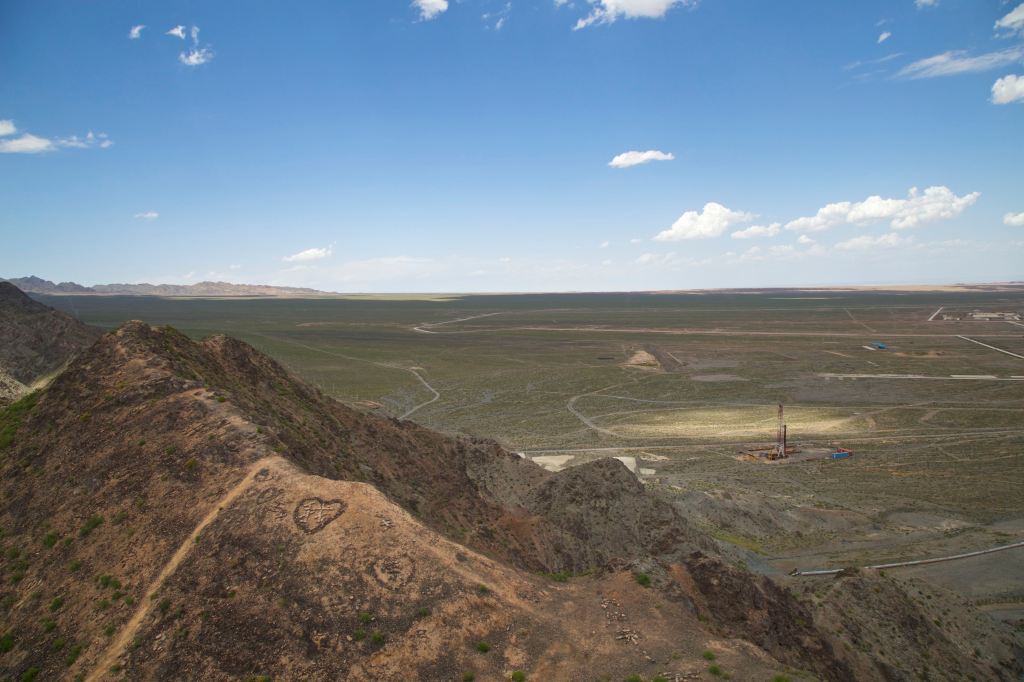
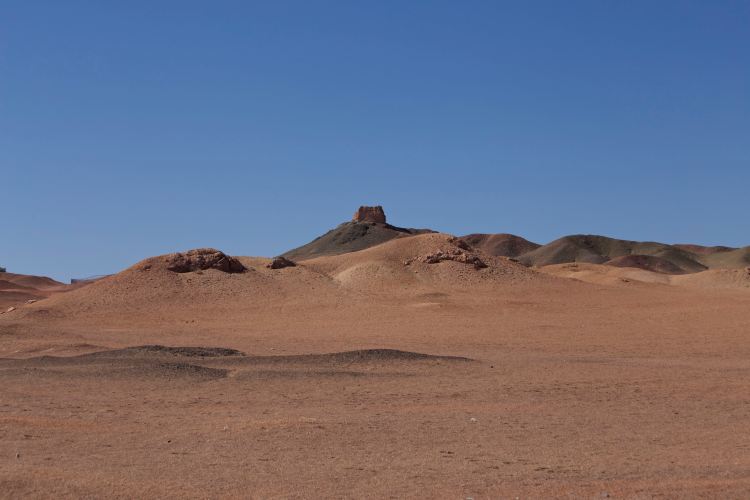
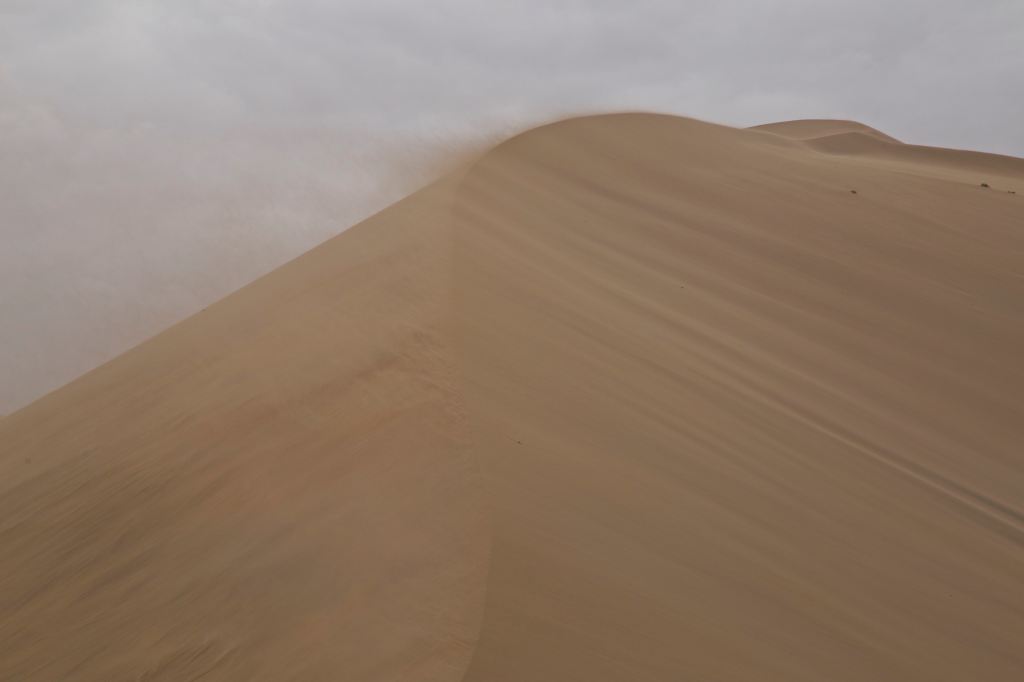
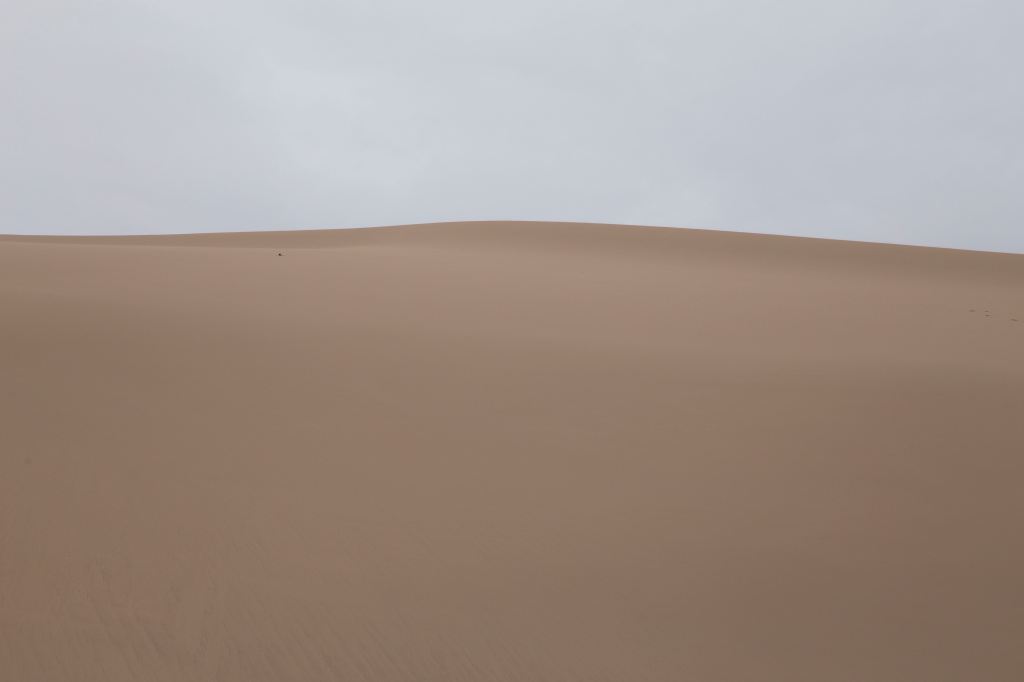
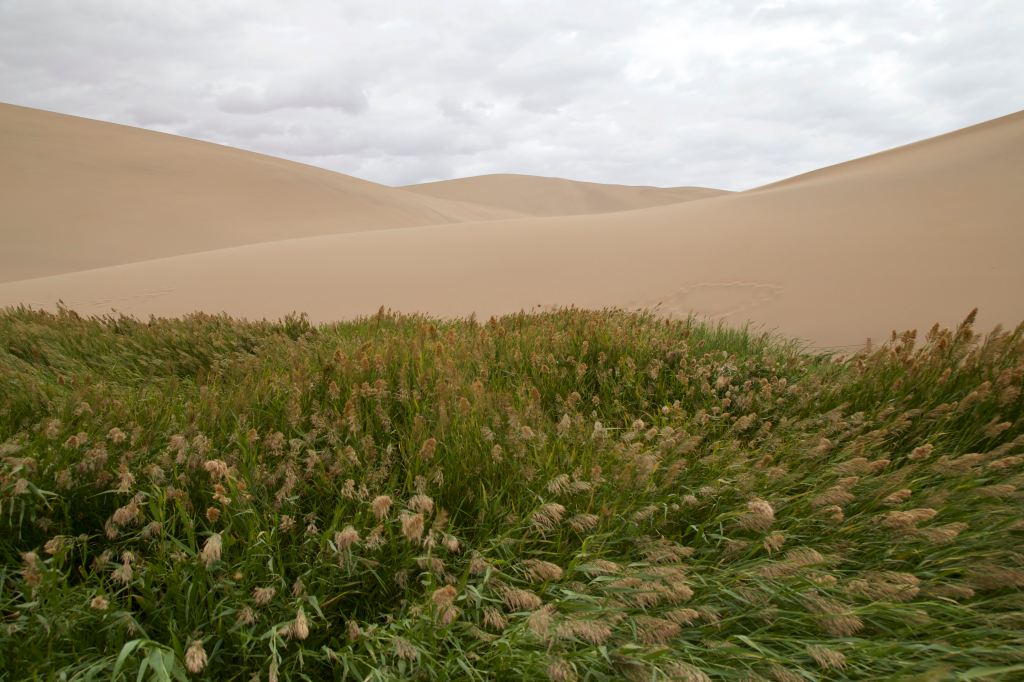
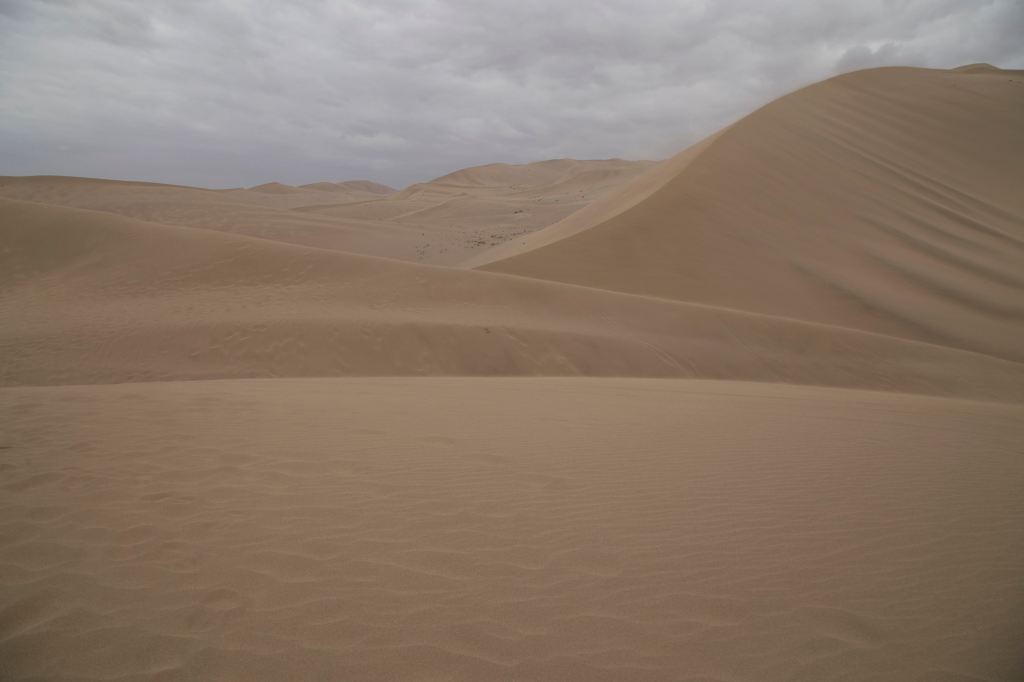
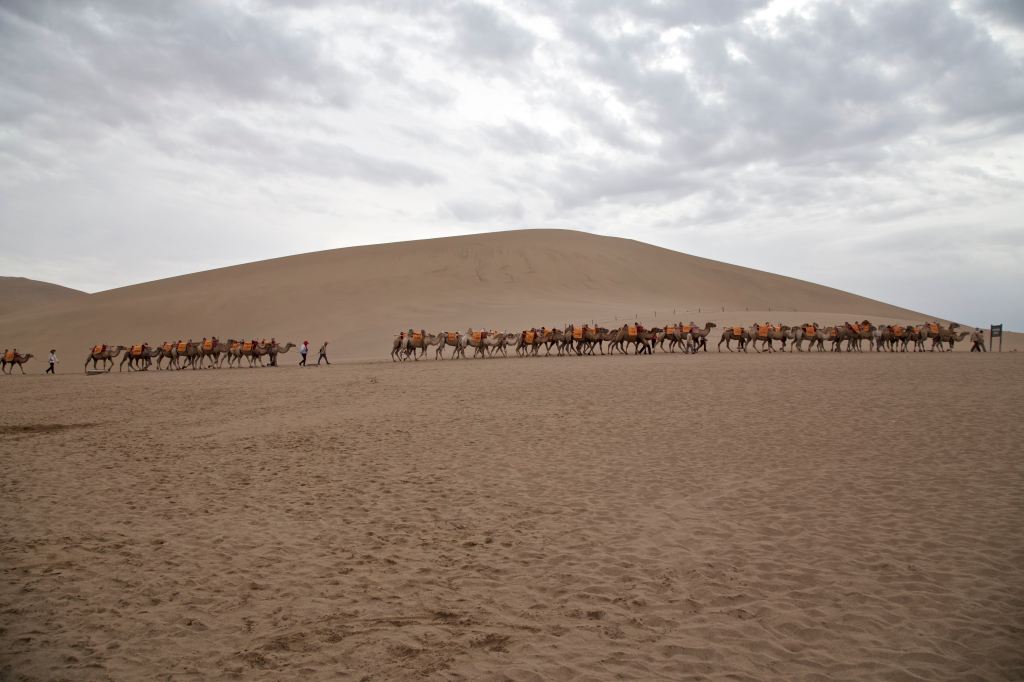
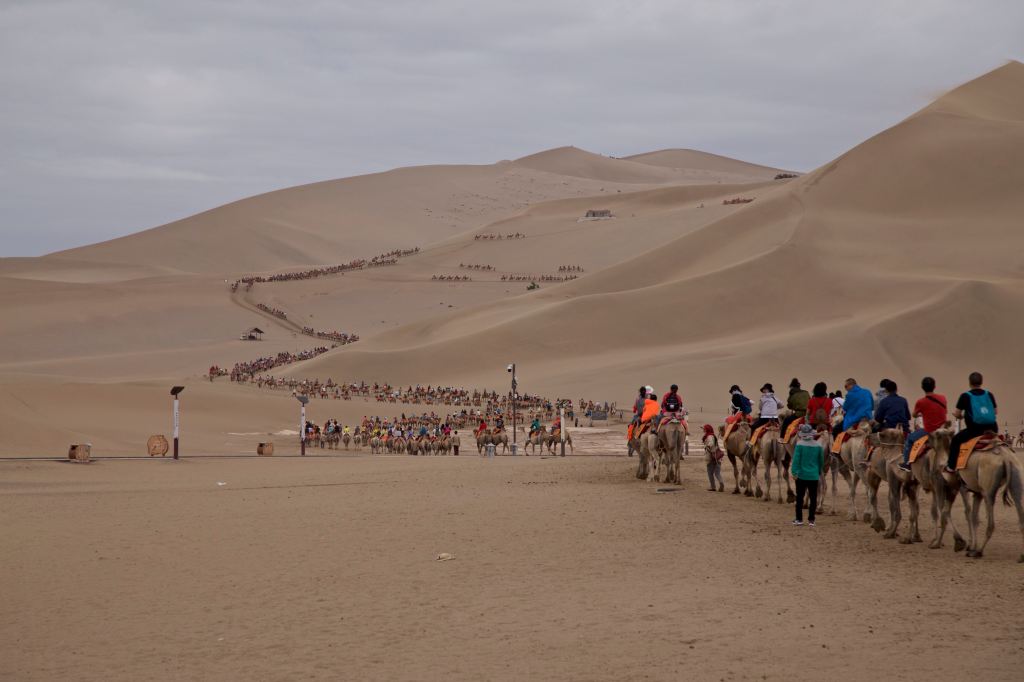
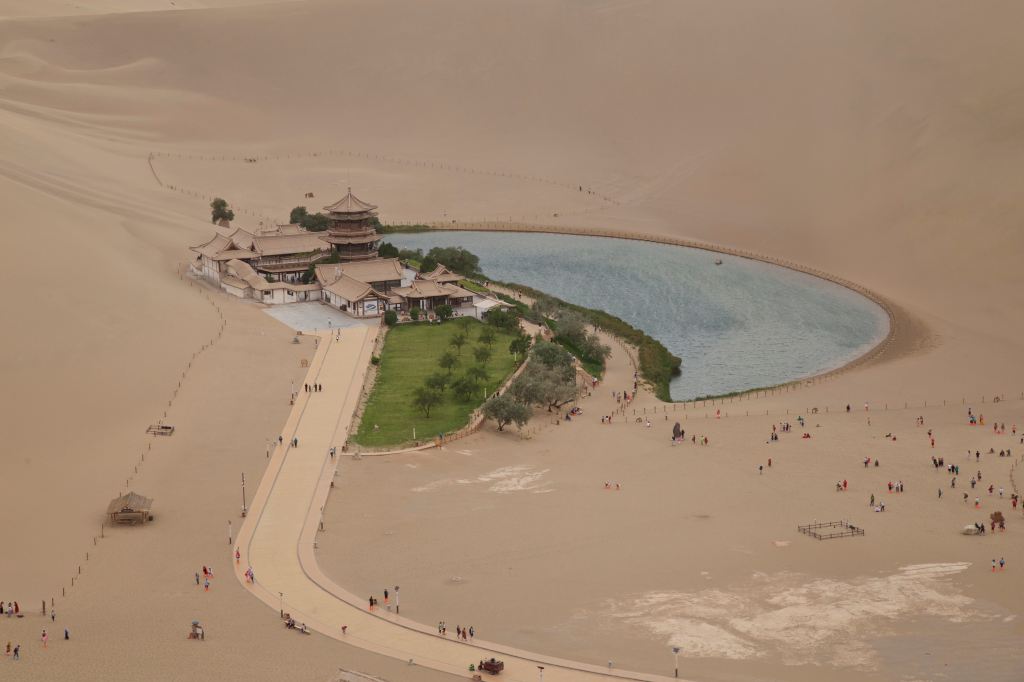
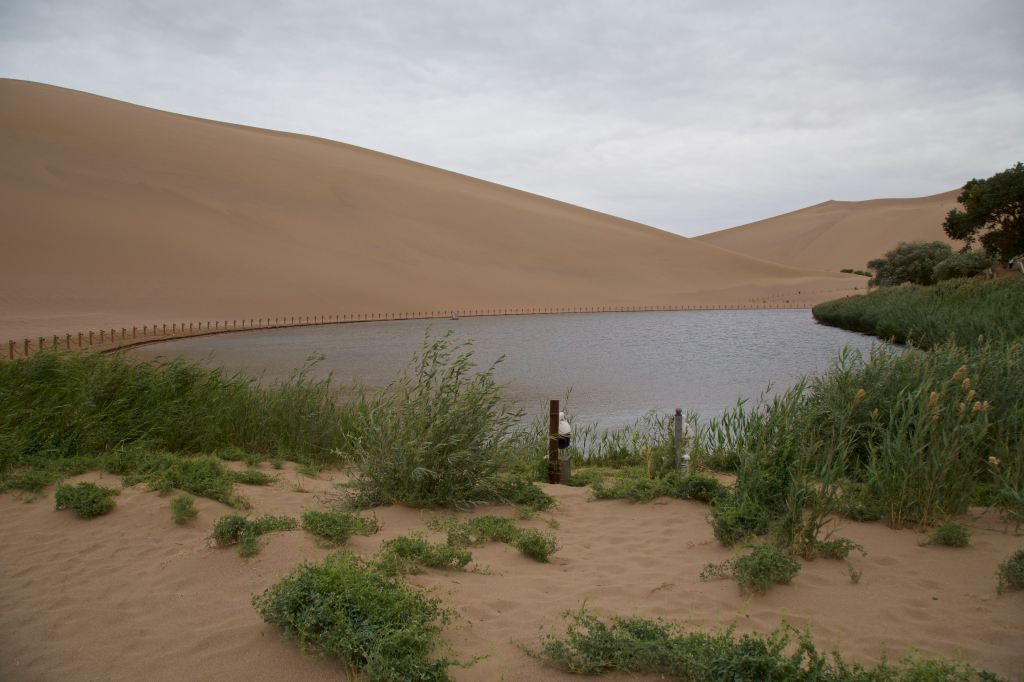
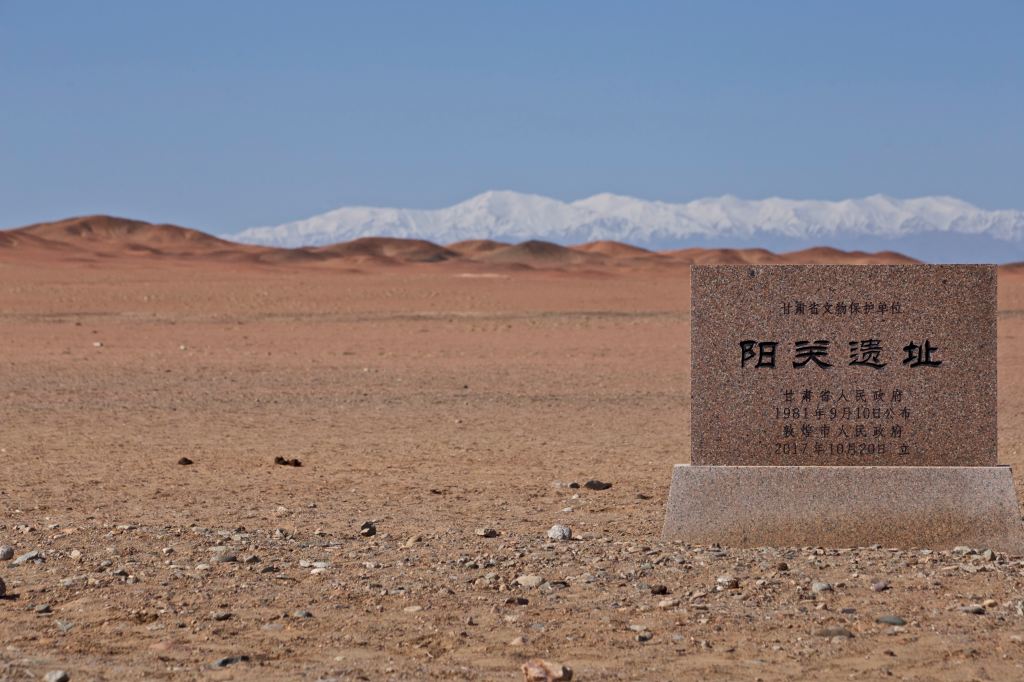
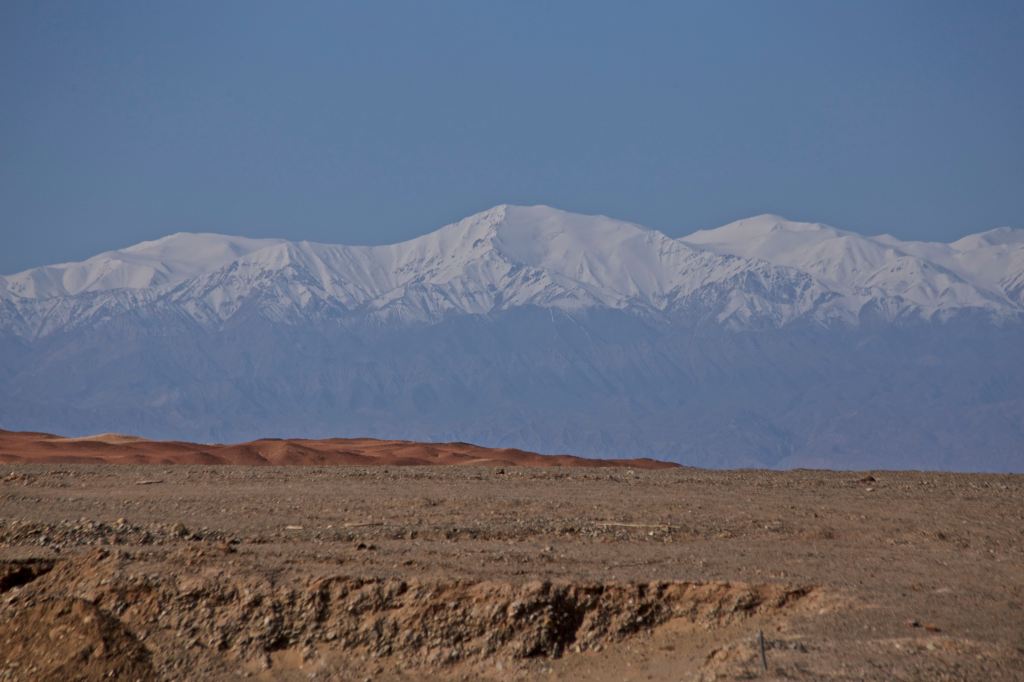
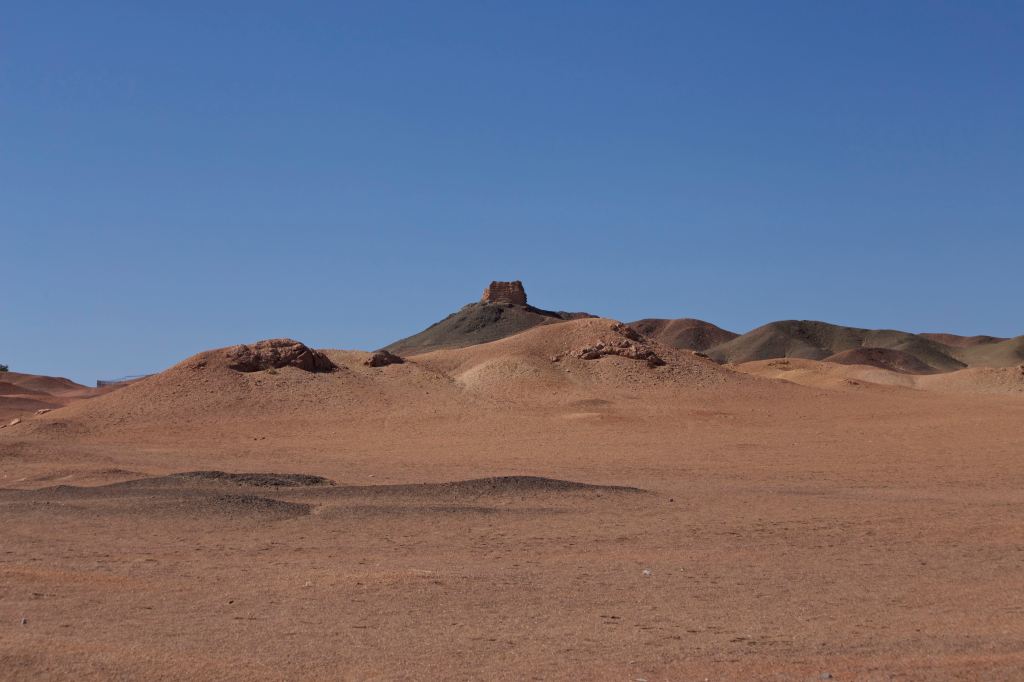
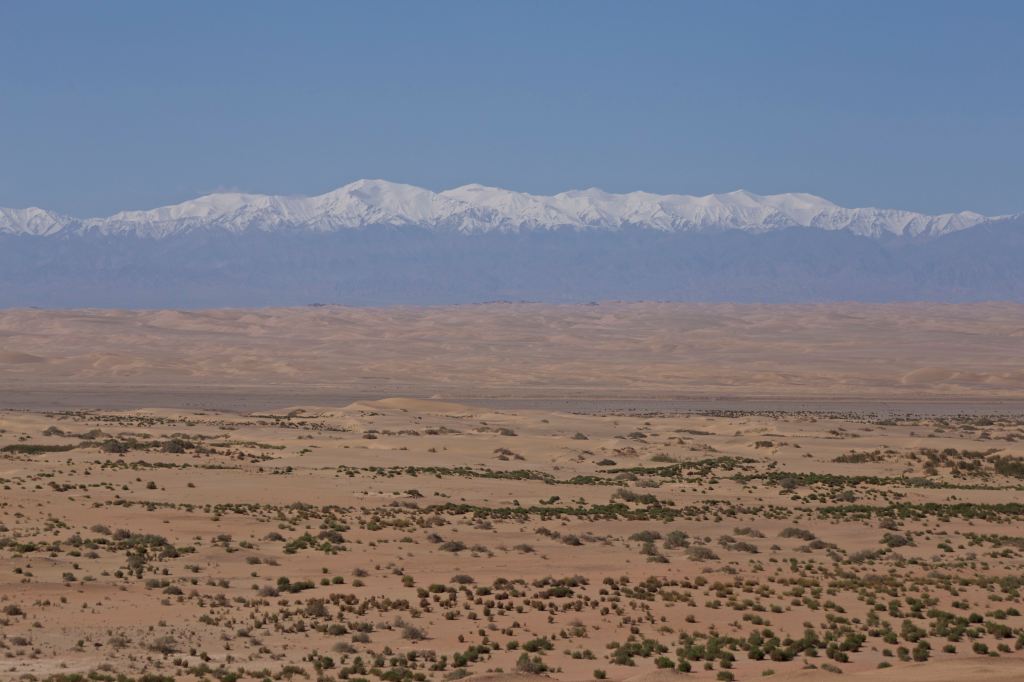
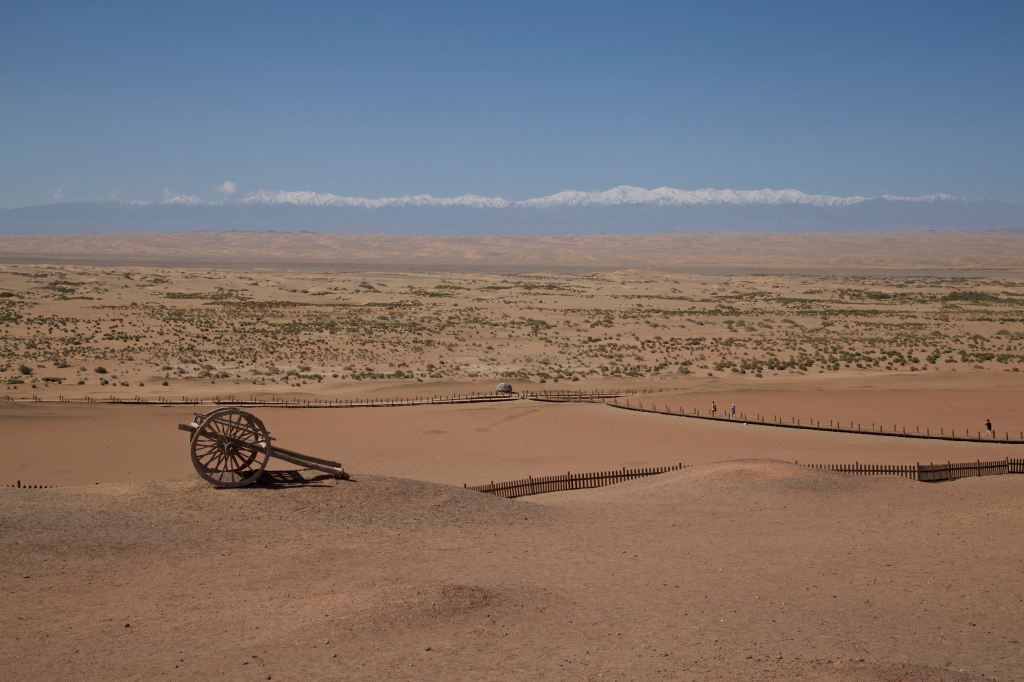
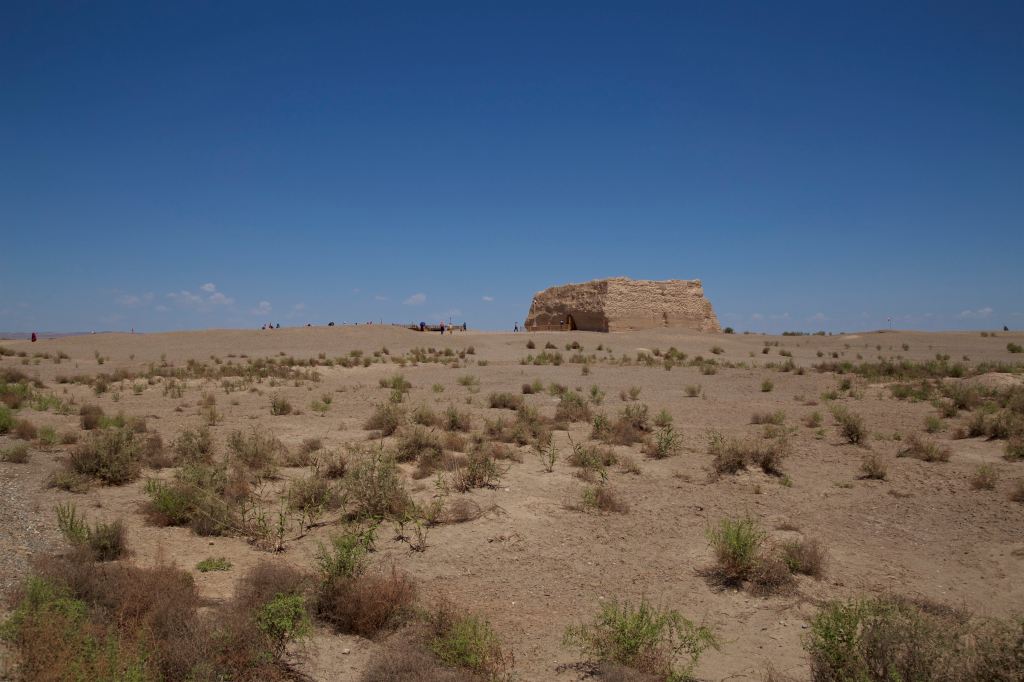
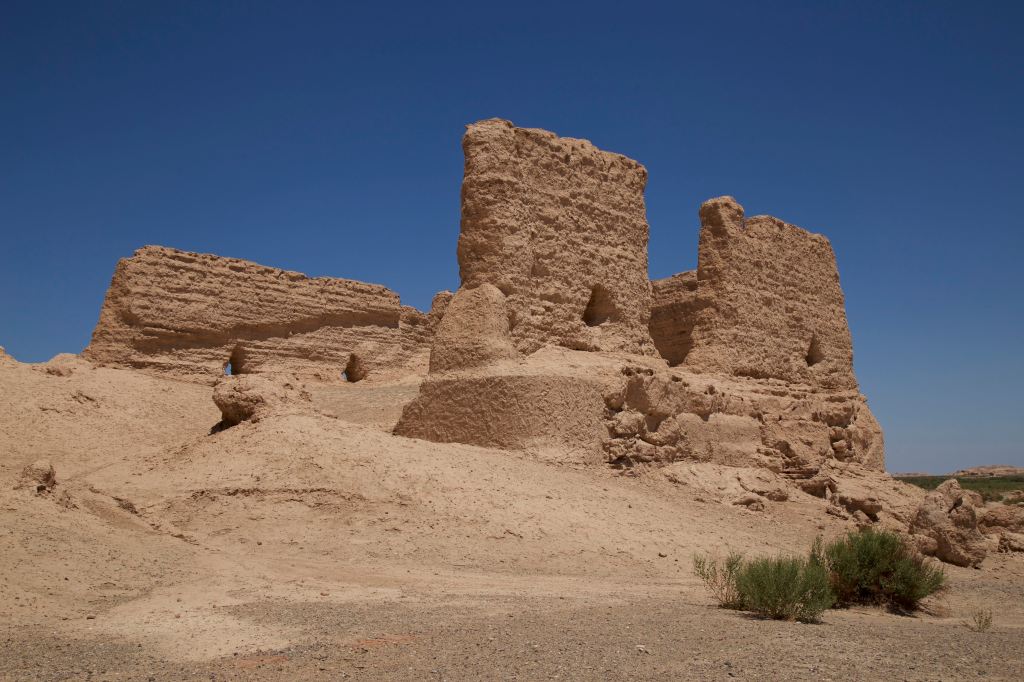
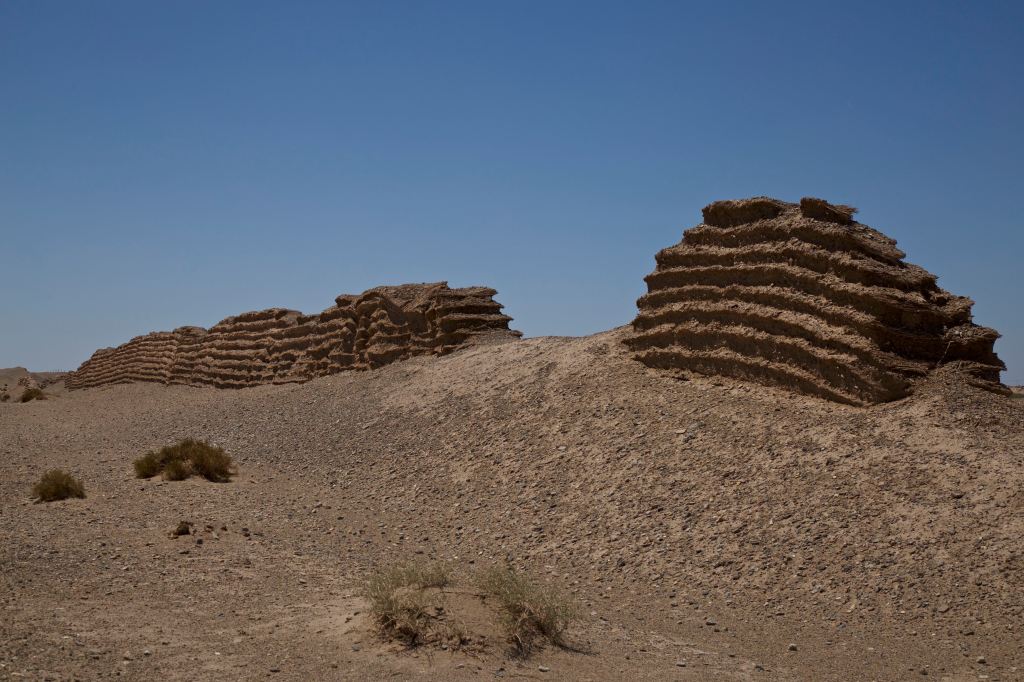
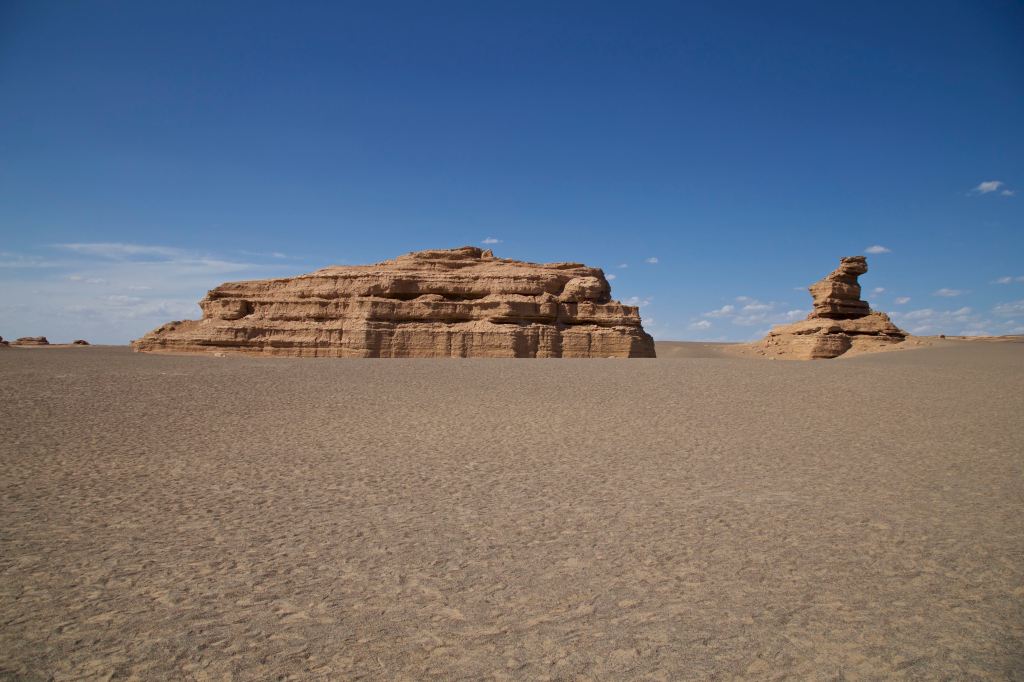
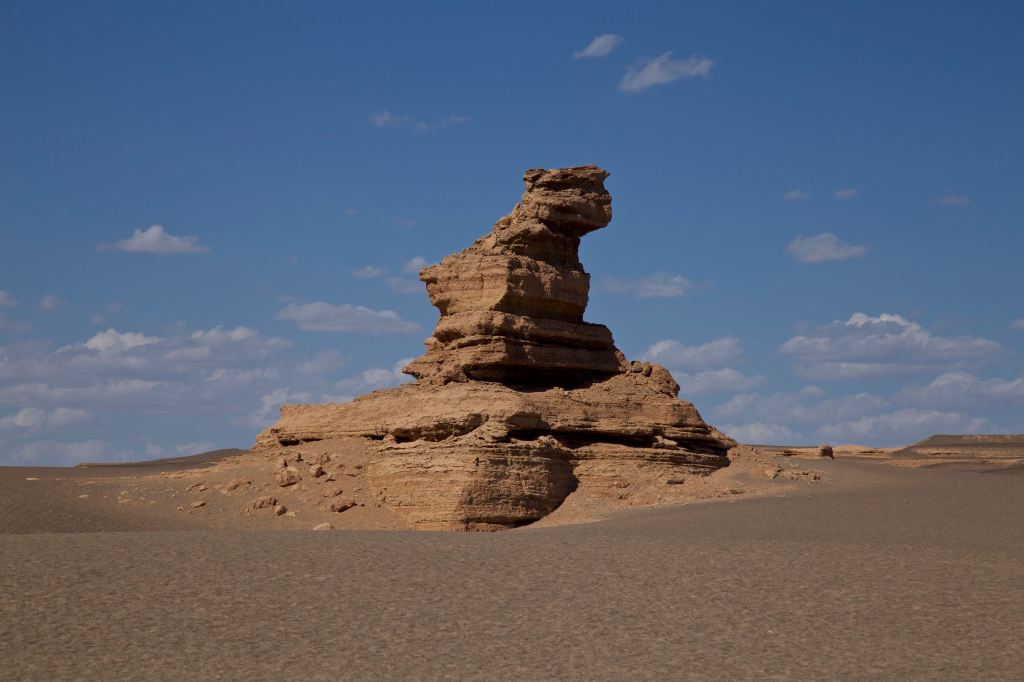
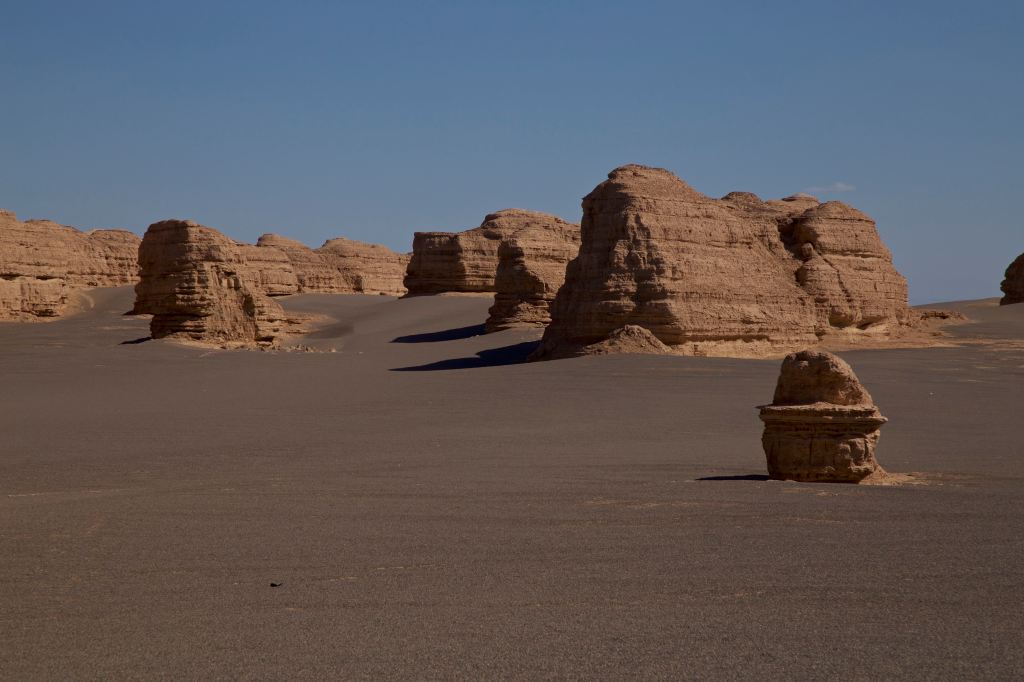
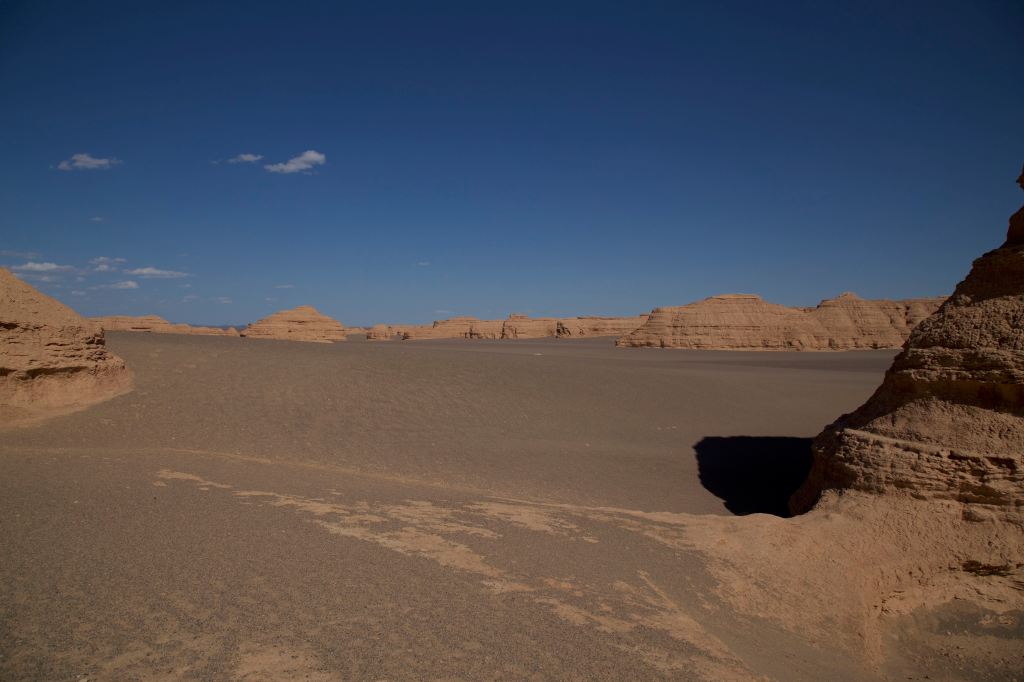
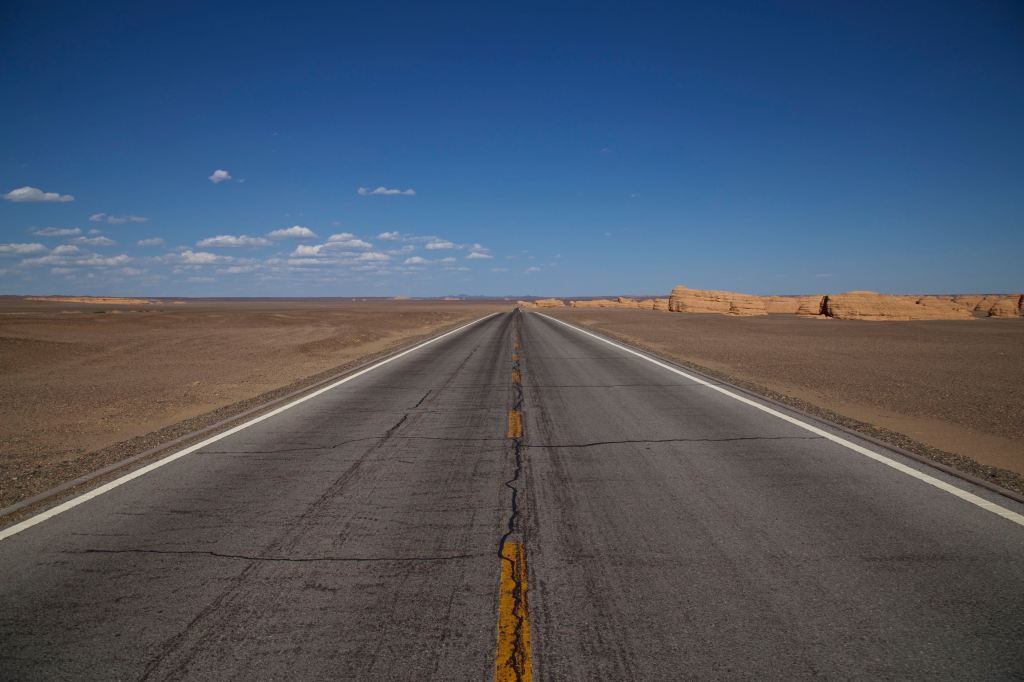
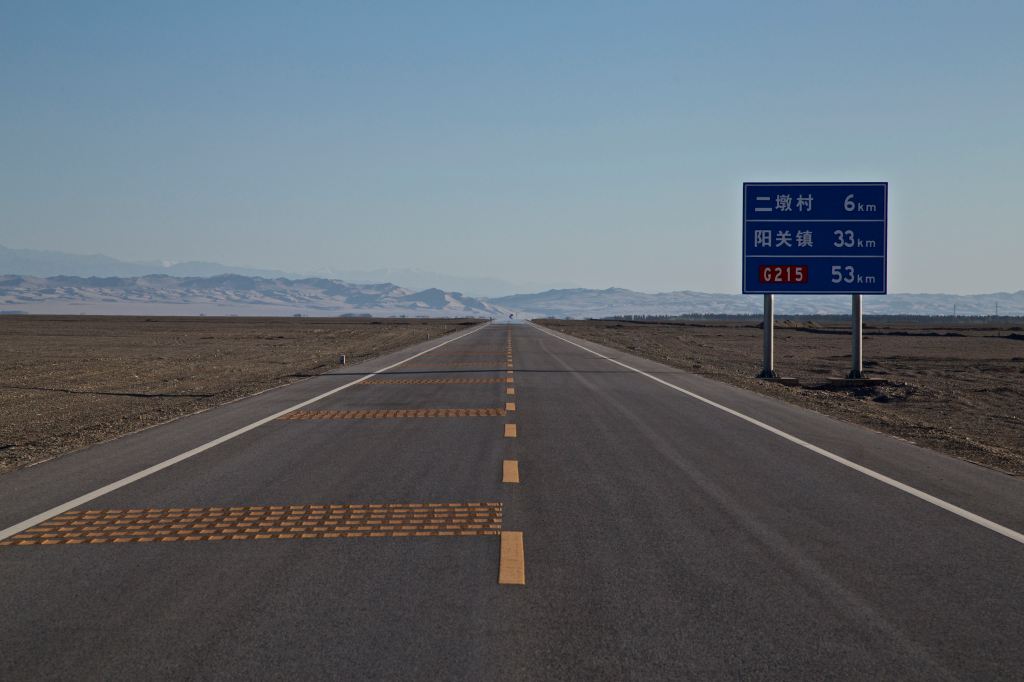
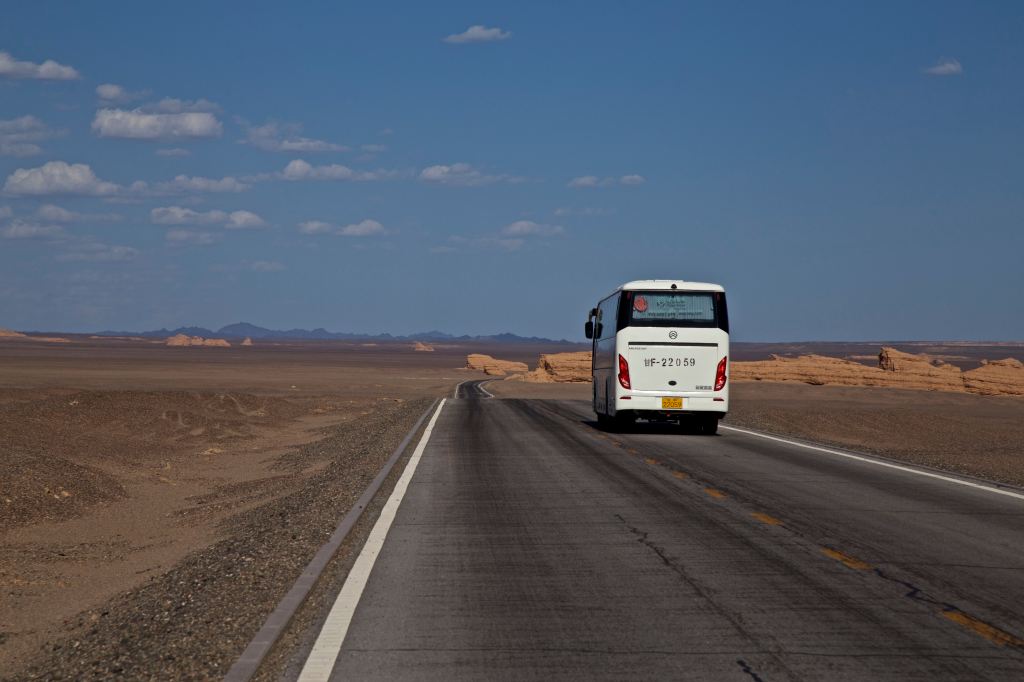
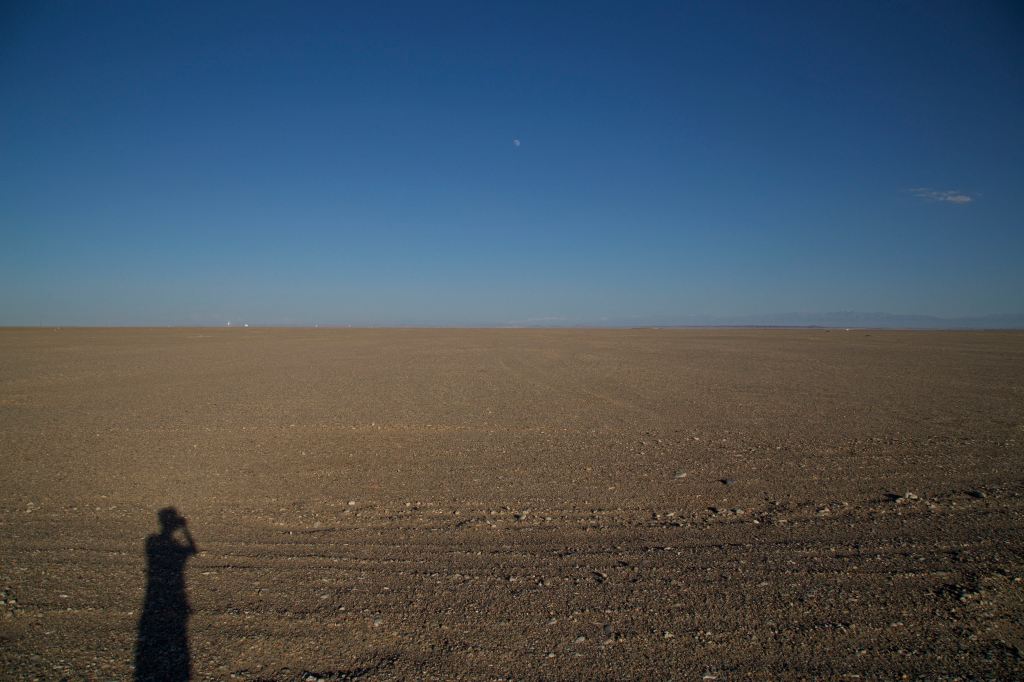
July 13th, Dunhuang. There weren’t many birds in Dunhuang since it’s a desert, very arid and barren.
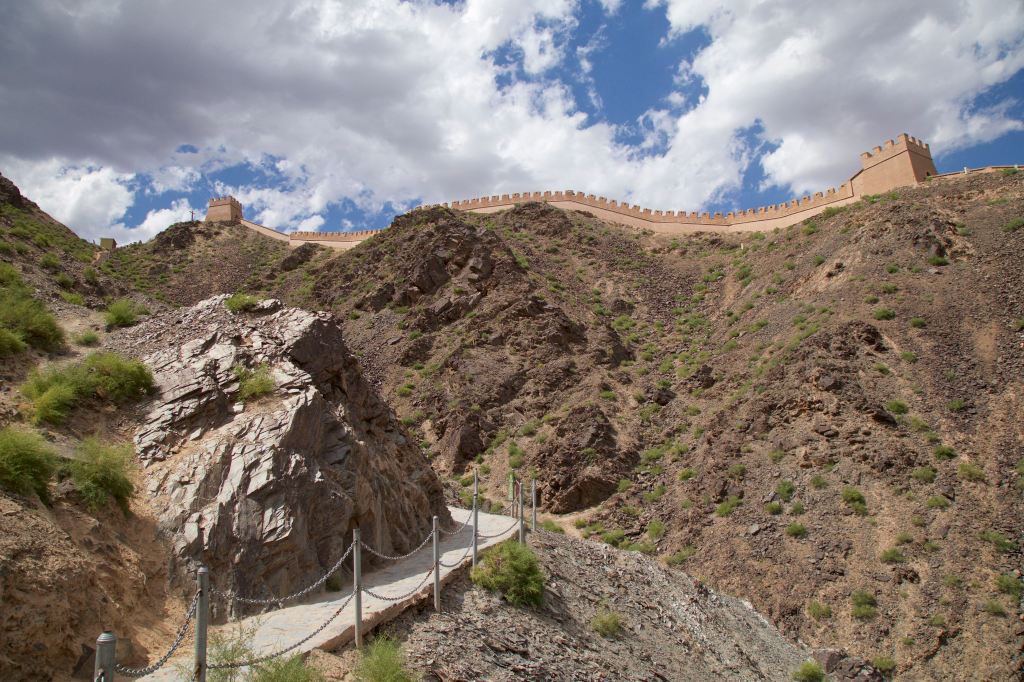
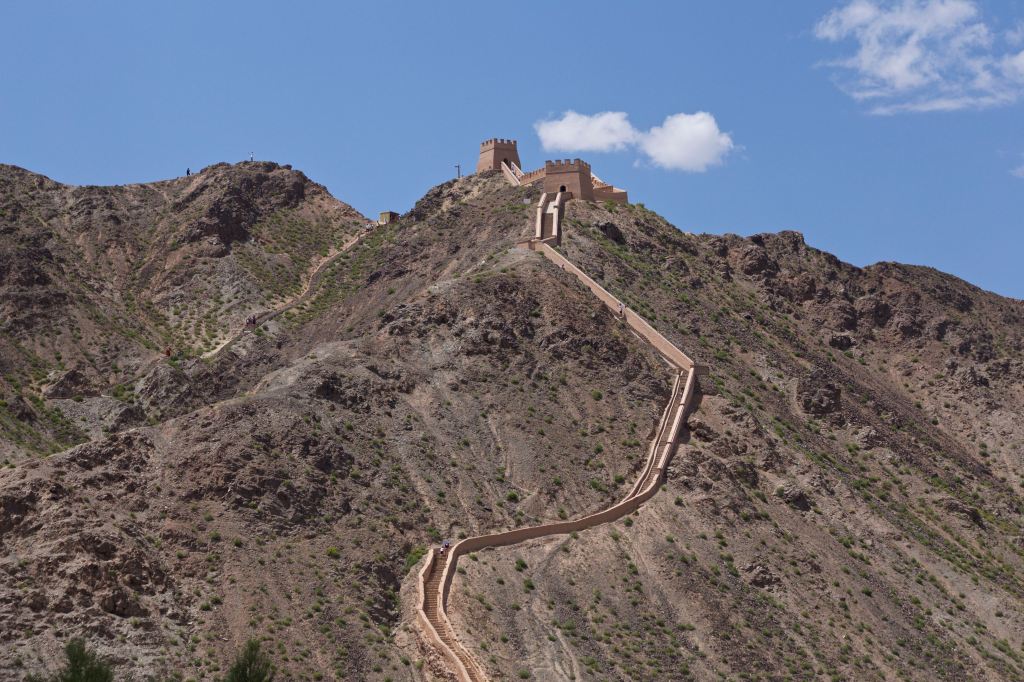
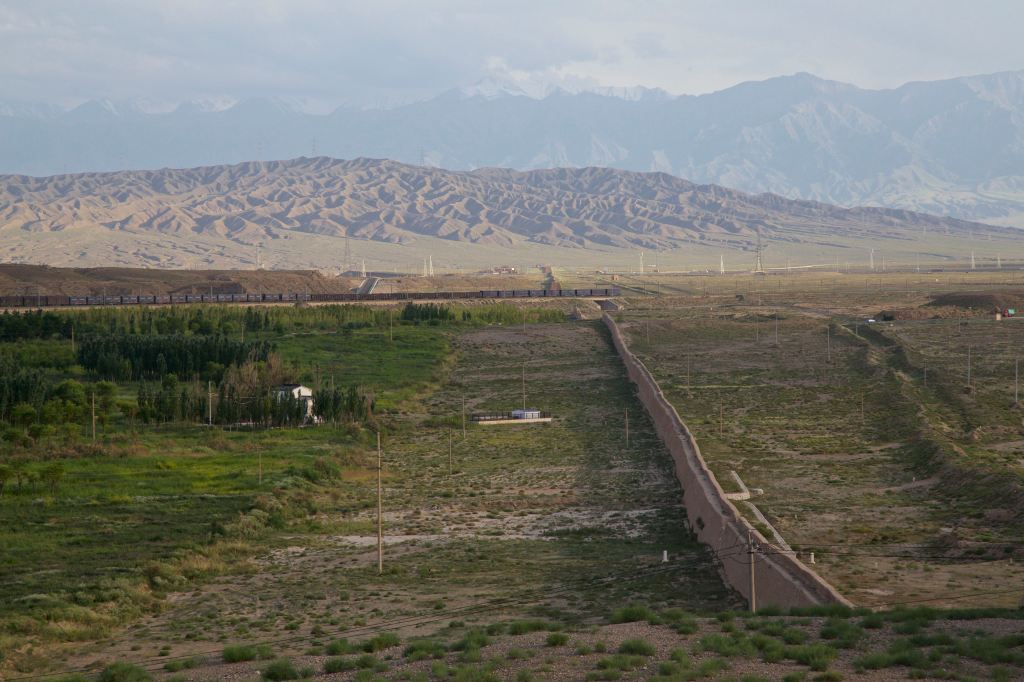
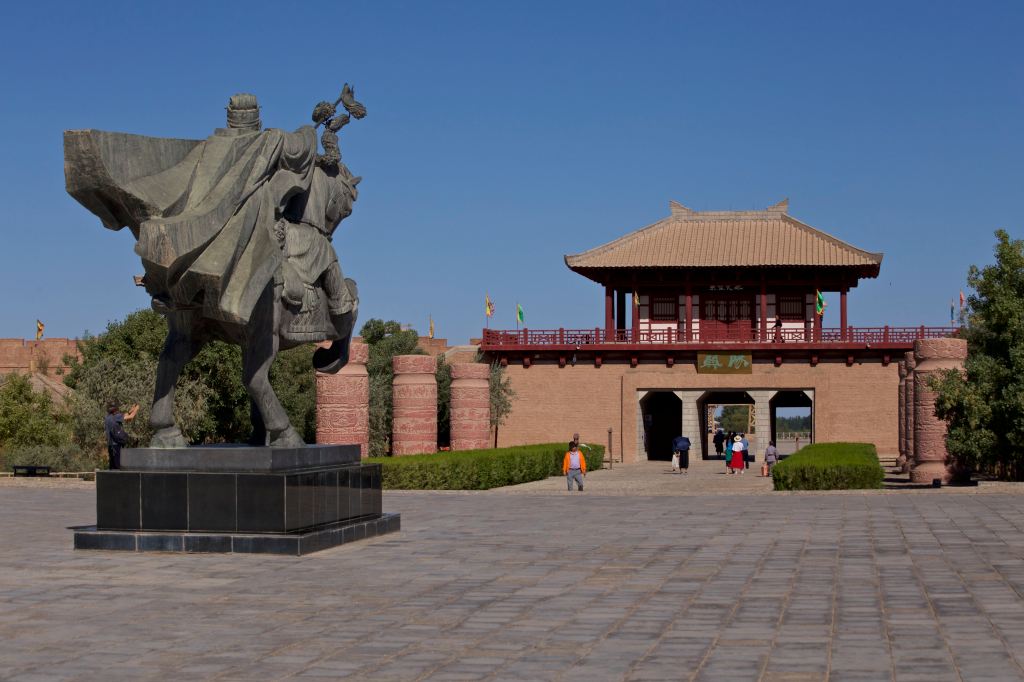
Yangguan
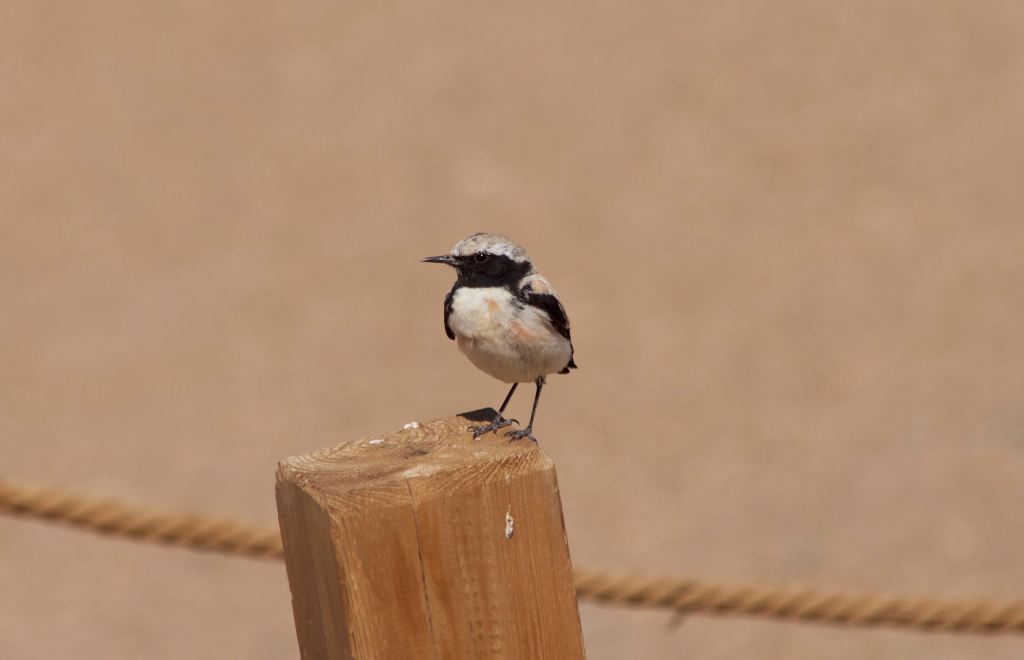
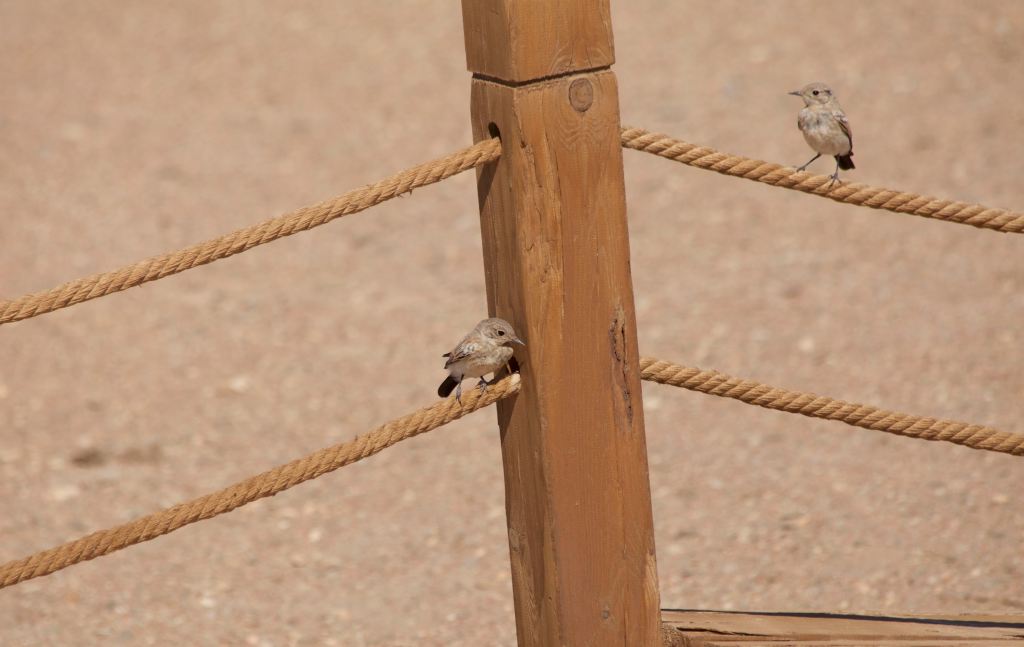
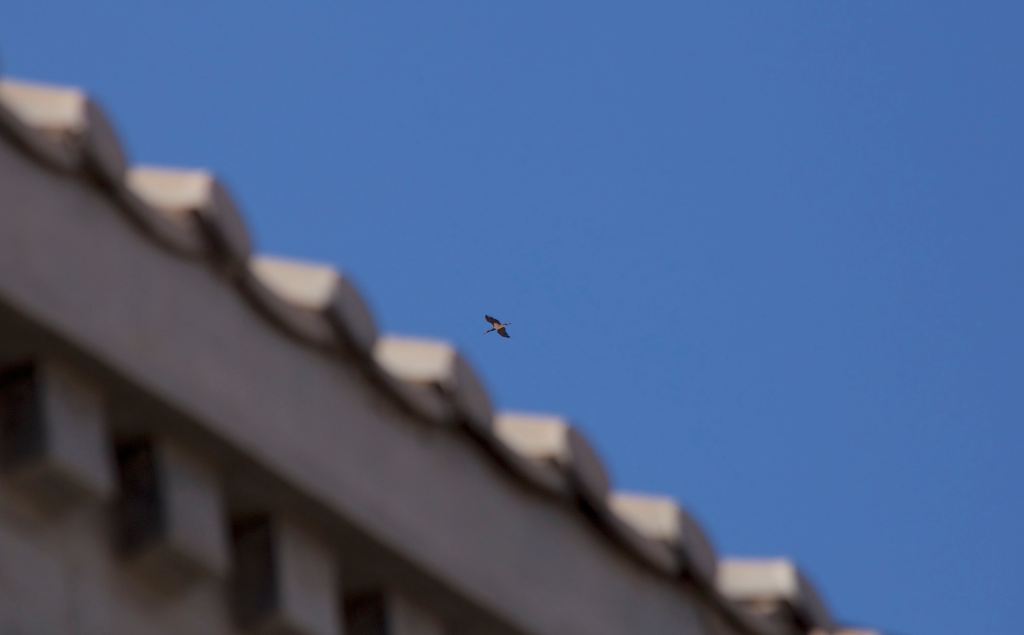
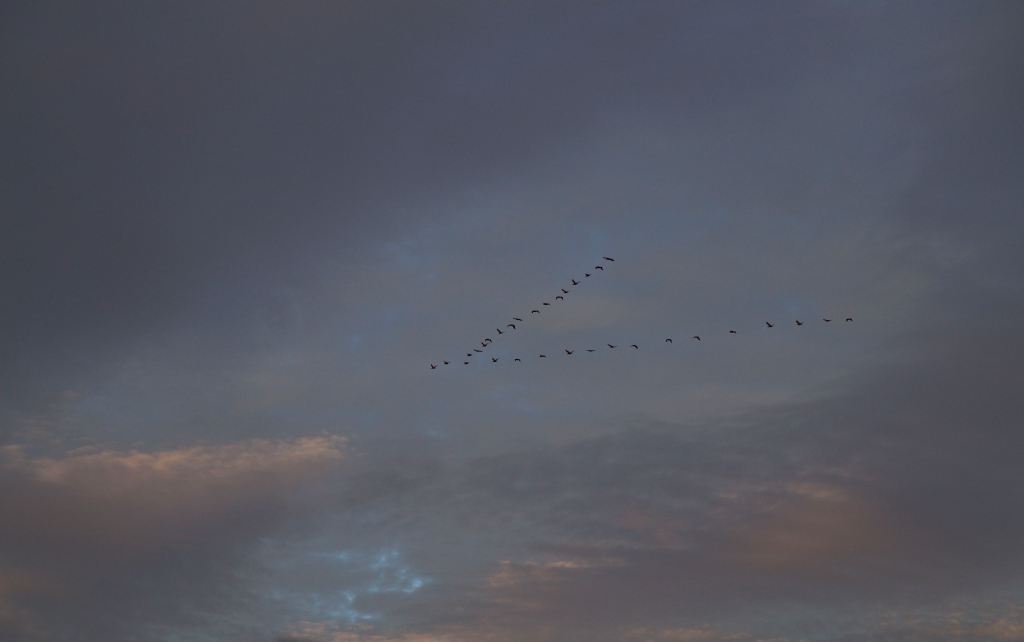
The only birds to mention are the Black Stork flying across the sky and 4 Desert Wheatears jumping around at Yangguan. One of the Desert Wheatear was a male in breeding plumage, which is very beautiful with the black and white color. I also liked the fact that these small birds lived in absolute nowhere in the huge desert.
Desert Wheatear (Male)
Desert Wheatear
Black Stork
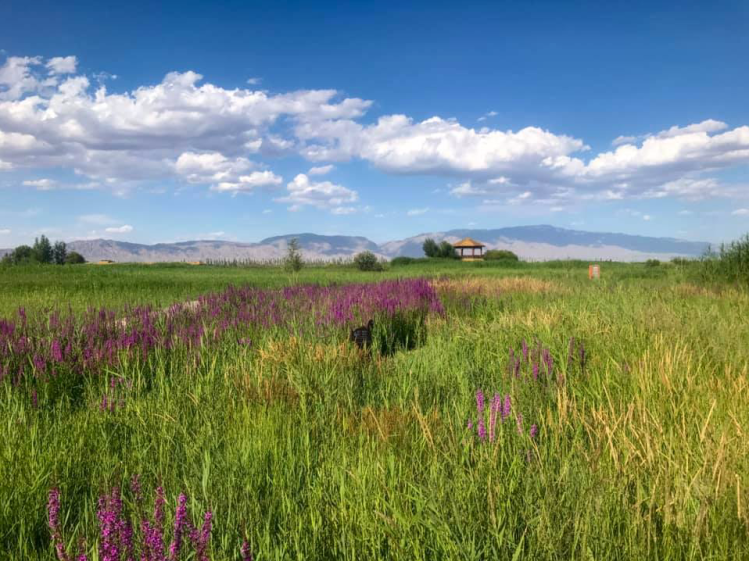
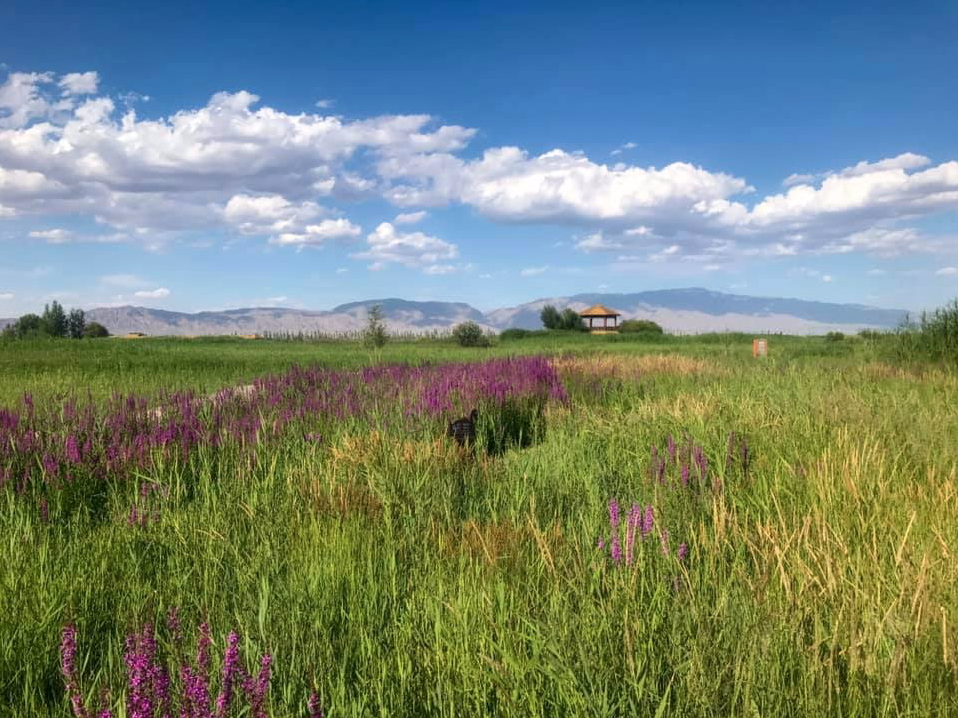
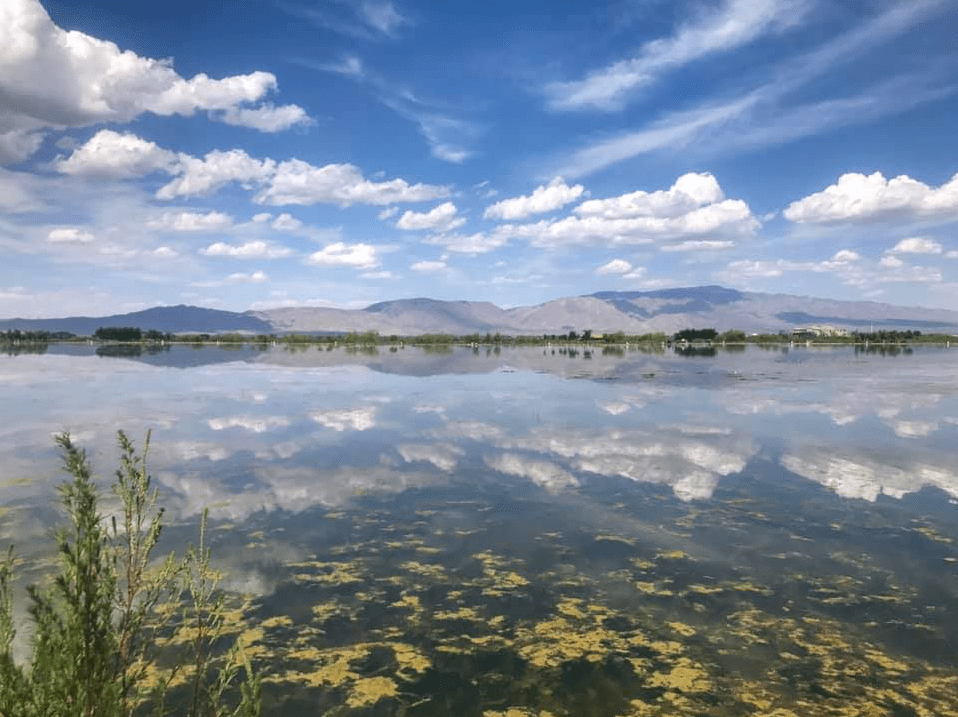
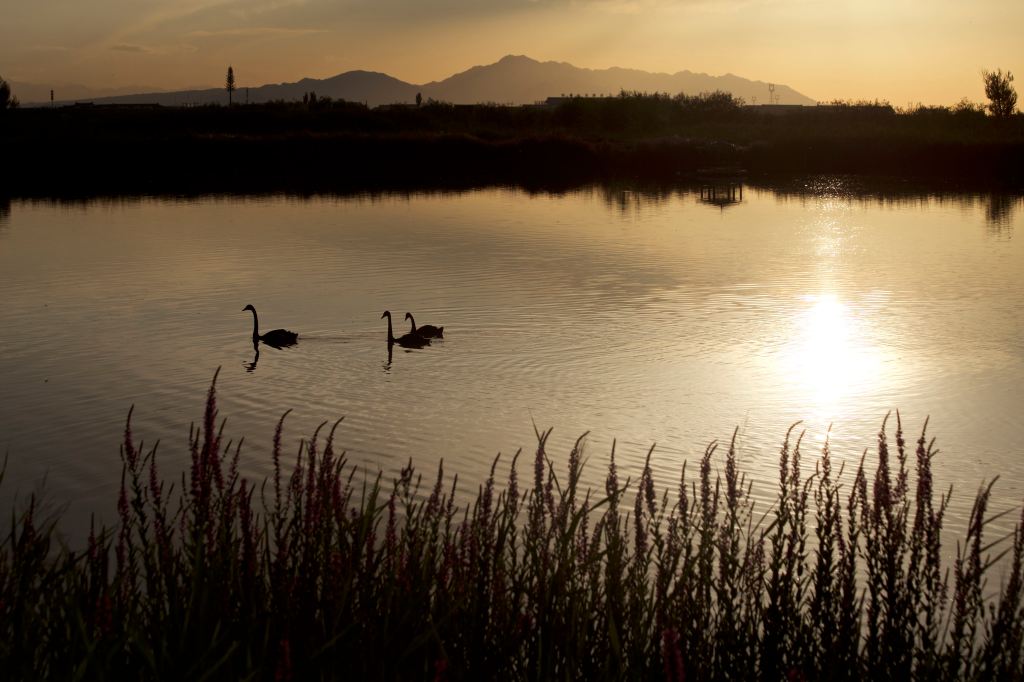
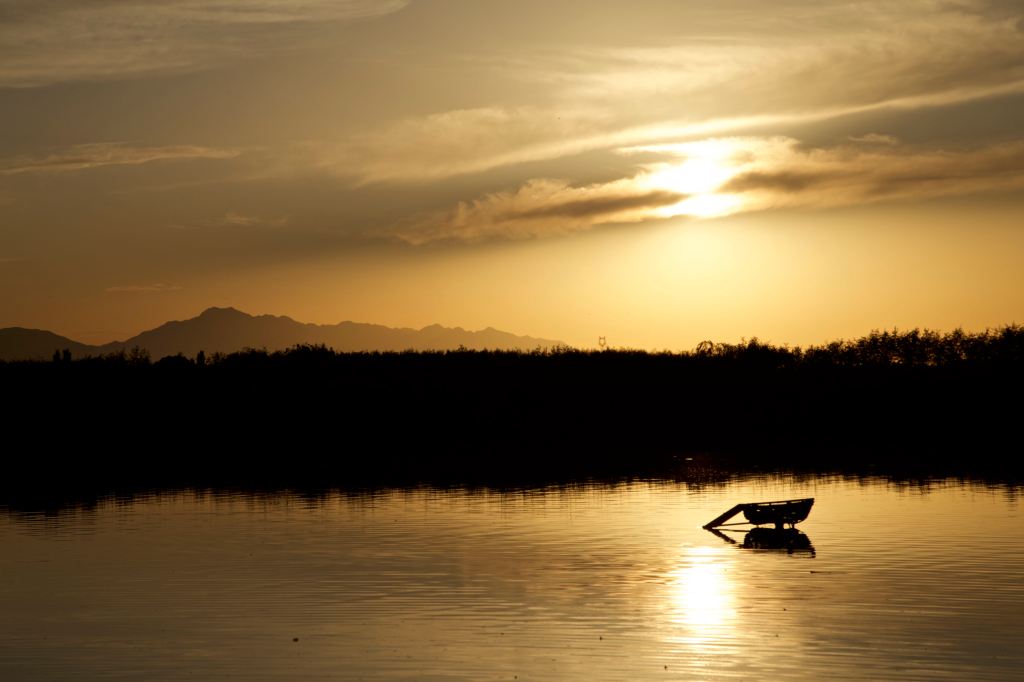
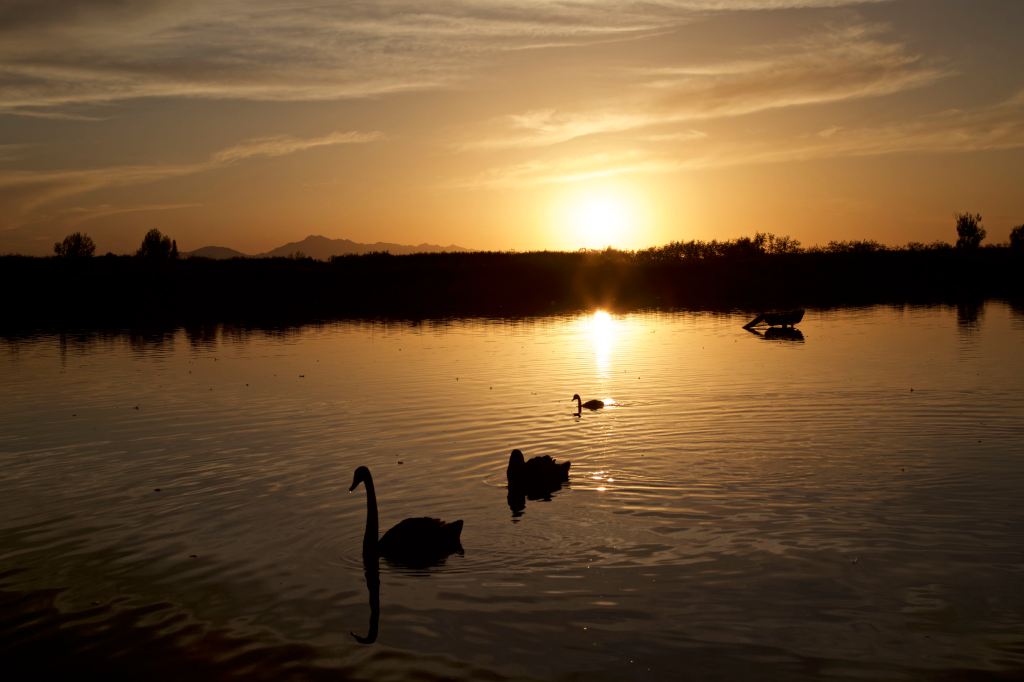
July 15th, Zhangye National Wetland Park. This is a fantastic place to be in, not only because of the birds, but also the peacefulness it gives me. I could still clearly remember the mountains in the distance and the broad view of the big flatland of Hexi Corridor. Well, let’s bring it back, the environment here is generally grown with many long bushes and reeds, with small lakes between. Many kinds of birds favor this type of habitat, and we sure did see many birds here.
Zhangye National Wetland Park
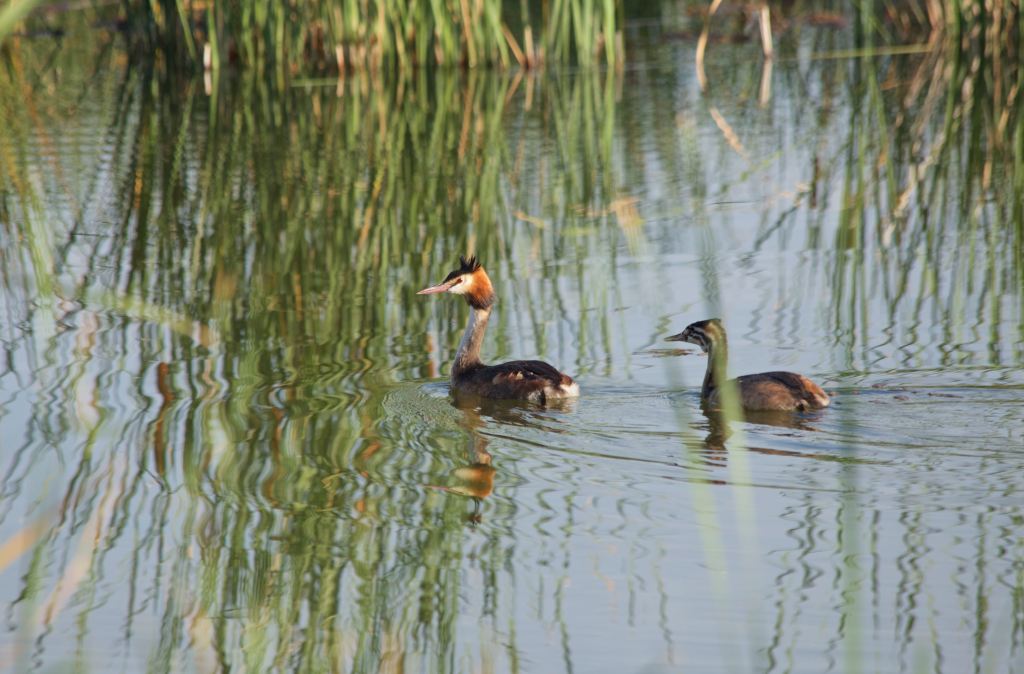
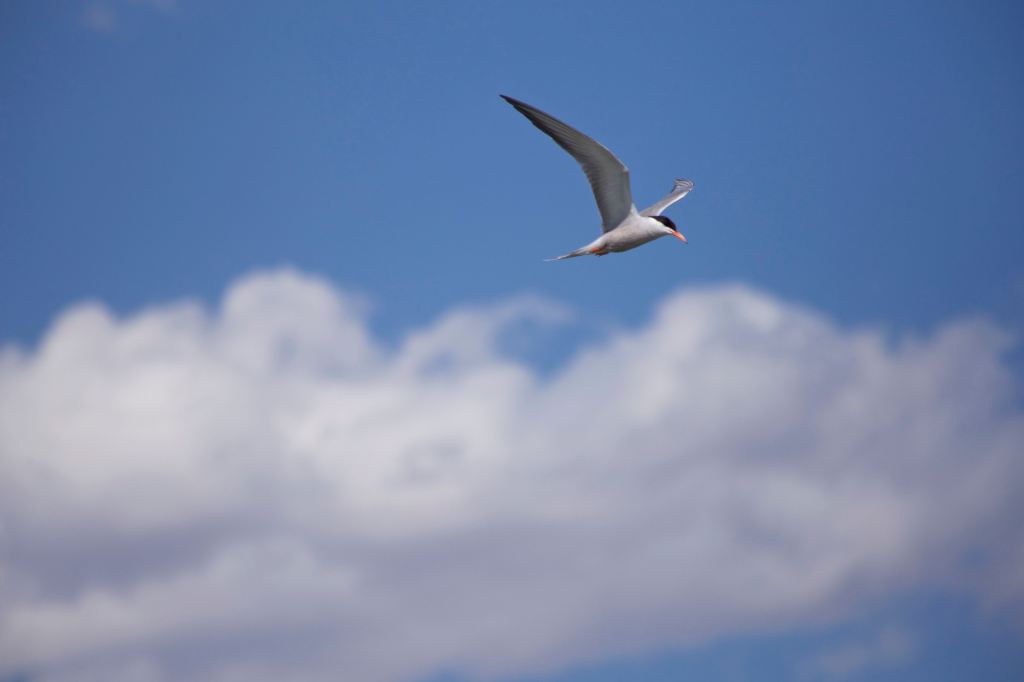
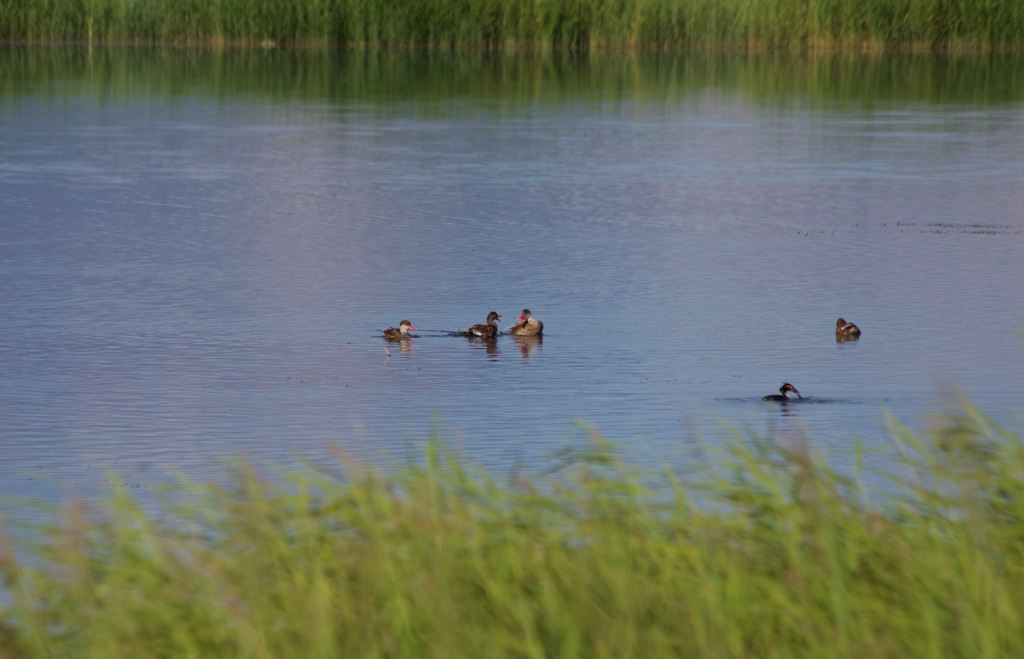
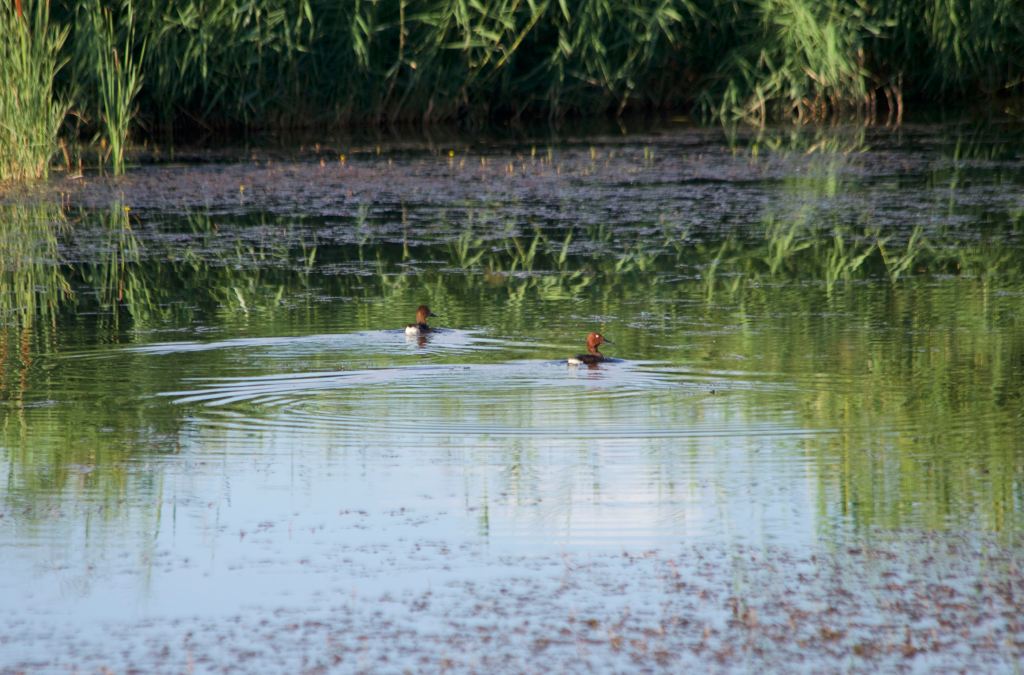
The most common seen waterbird here are the Great Crested Grebes, we saw many of them, some were adults and some were juveniles. Because of this, it’s very obvious that they breed in this place. Other birds that breed here are the Eurasian Coots and the Common Terns, we saw many juveniles of these two species too. Here is a cool story, when I was walking on the trail near the nest of a Common Tern, it flew upon me and tried to attack me. I was horrified, nonetheless, it’s a cool experience. There were other waterfowls too, one of them was the Red-crested Pochard. It’s a very rare bird in Taiwan, appears only once in a few years, so this was a lifer to me, and the red bill of them was very remarkable. Ferruginous Ducks, Eastern Spot-billed Ducks, and Little Grebes were sometimes seen on the water too, adding more to the bird list.
Great Crested Grebe
Common Tern
Red-crested Pochard
Ferruginous Duck
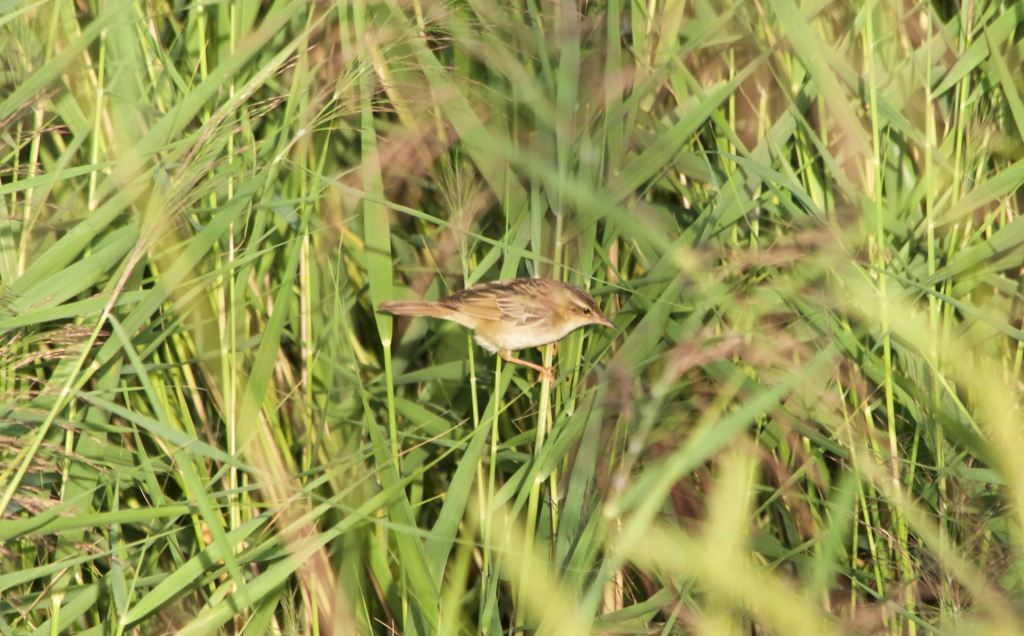
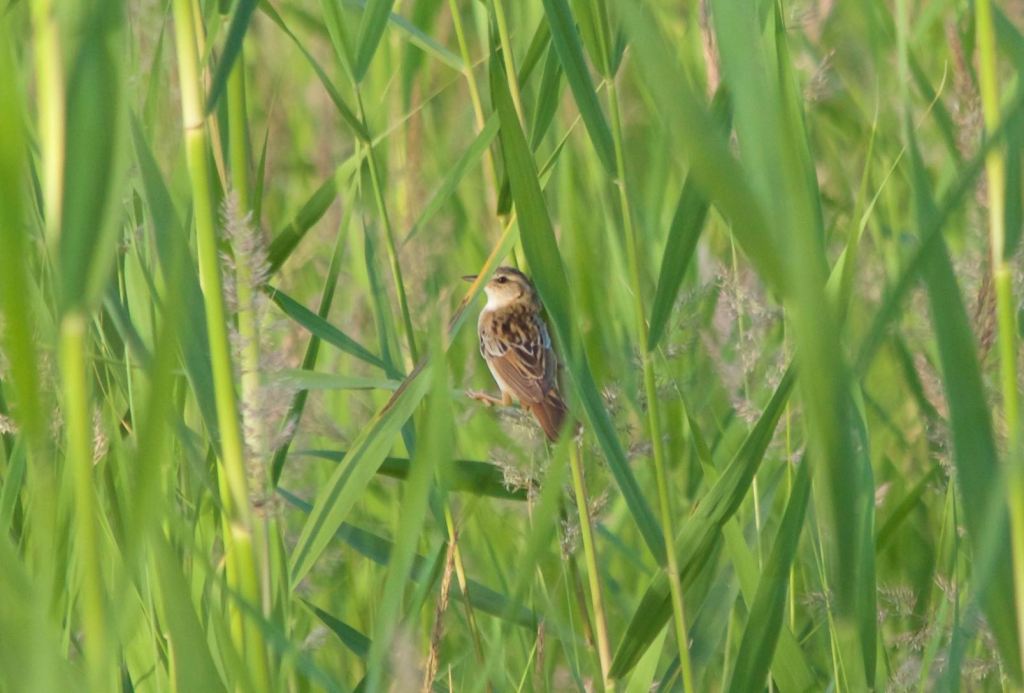
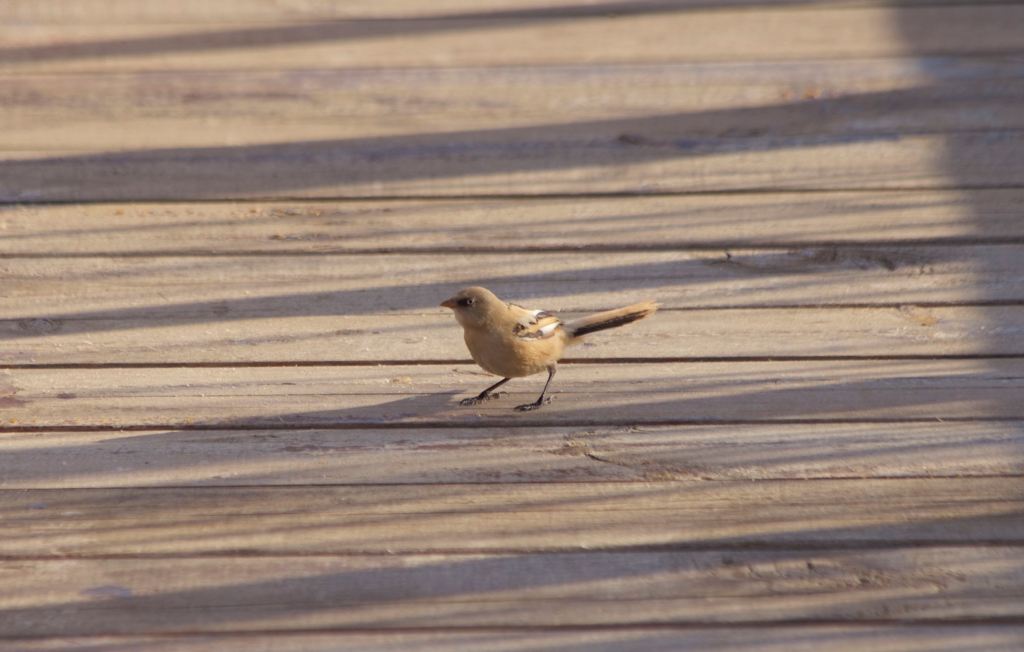
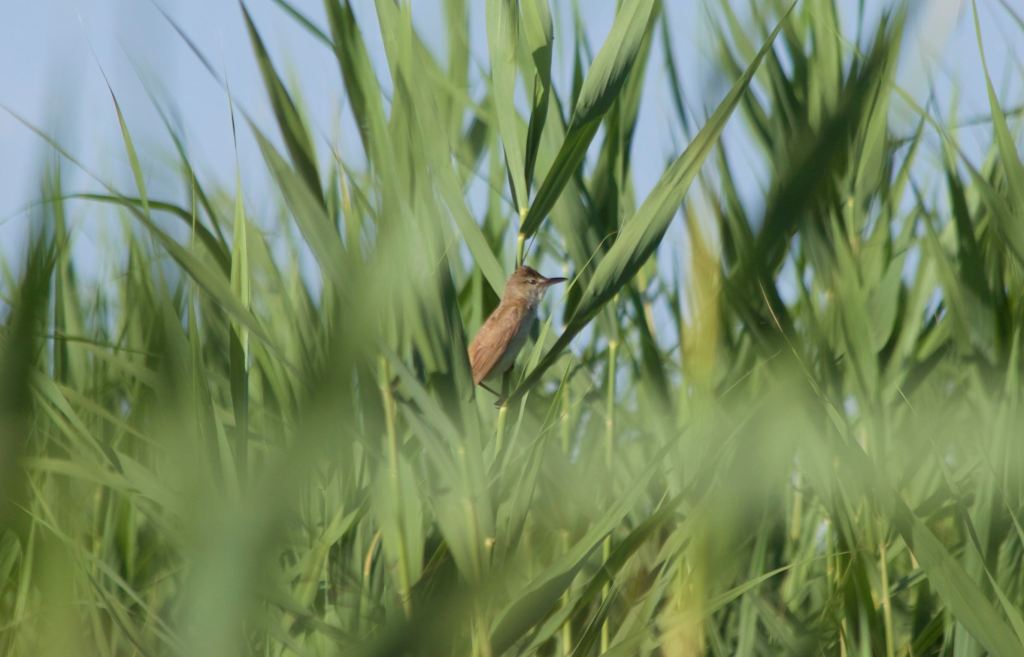
Besides the waterbirds, many birds live in the bushes as well. Oriental Reed Warbler probably has the biggest population. Many Bearded Reedlings and Pallas’s Grasshopper-Warblers were singing in the bushes too, but it’s harder to spot them due to their habits. One thing to mention, eBird seems to have a shortage of data in Gansu as it marked these two species as rarities, but I indeed saw many of them. Other songs we could hear were the ‘bugu-bugu’ sound from the Common Cuckoos, however, I wasn’t able to see one, which is quite unfortunate, but it’s aright. Also in the sky, we could sometimes see Eurasian Kestrels gliding, possibly searching for its next meal. Many Barn Swallows and Eurasian Collared-Doves flew across too. Just before the sunset, a Great Bittern and a Black-crowned Night Heron (which is another rarity for eBird) showed up in the sky, finding good places to rest for the night. We were in the same way, hoping to have a nice sleep in the hostel to husband our energy for tomorrow’s trip.
Pallas’s Grasshopper-Warbler
Pallas’s Grasshopper-Warbler
Bearded Reedling
Oriental Reed Warbler
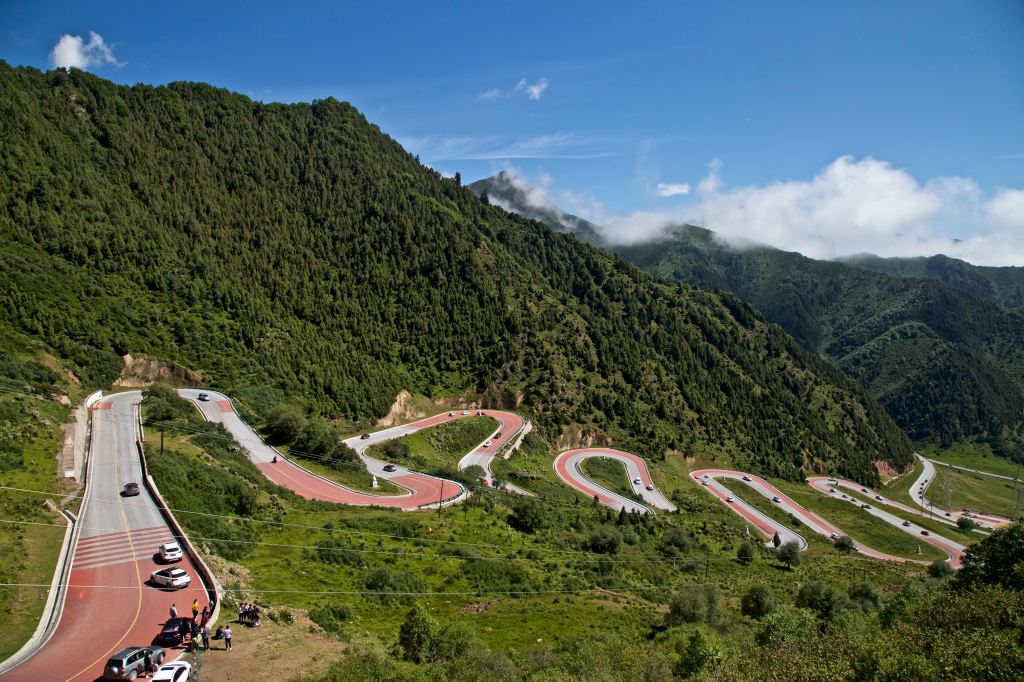
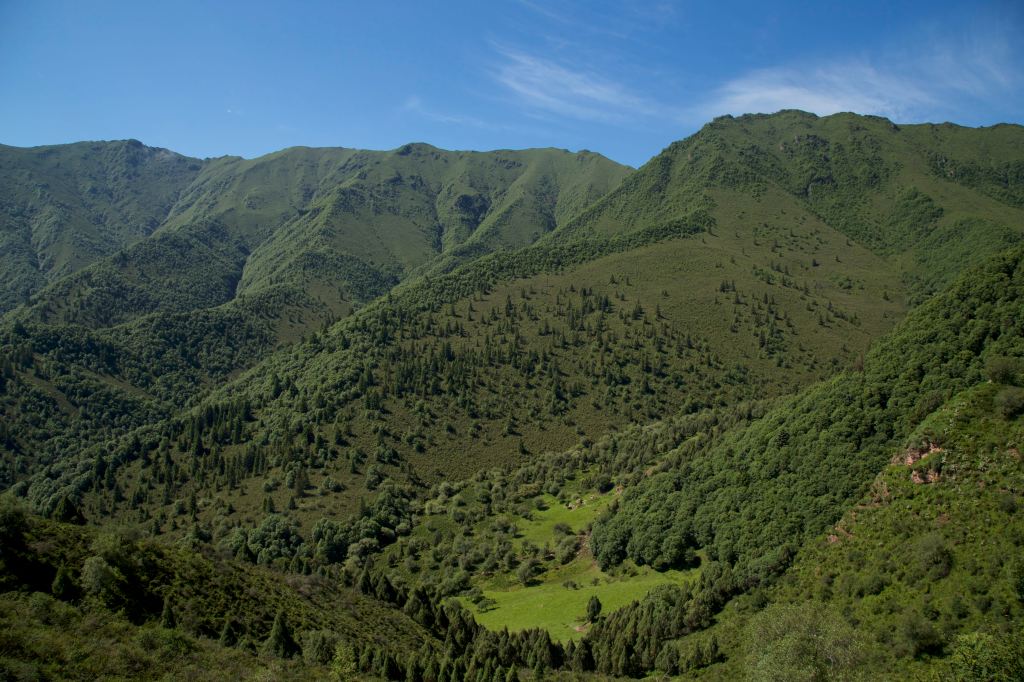
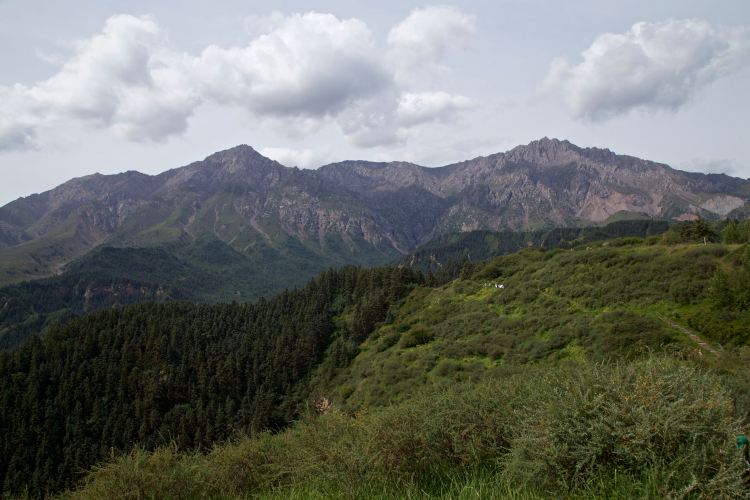
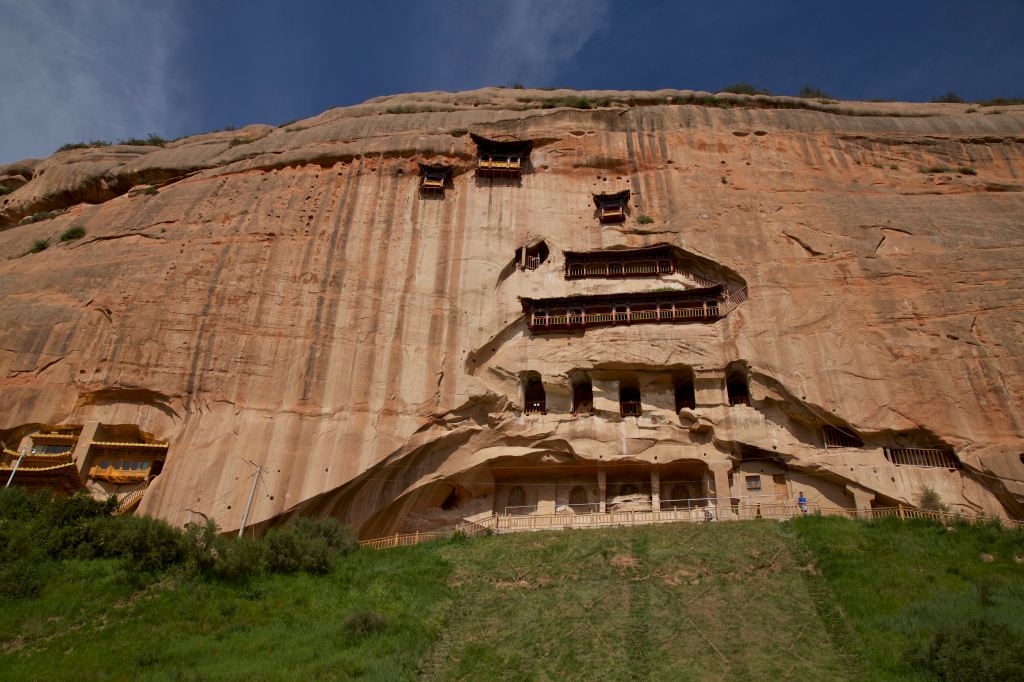
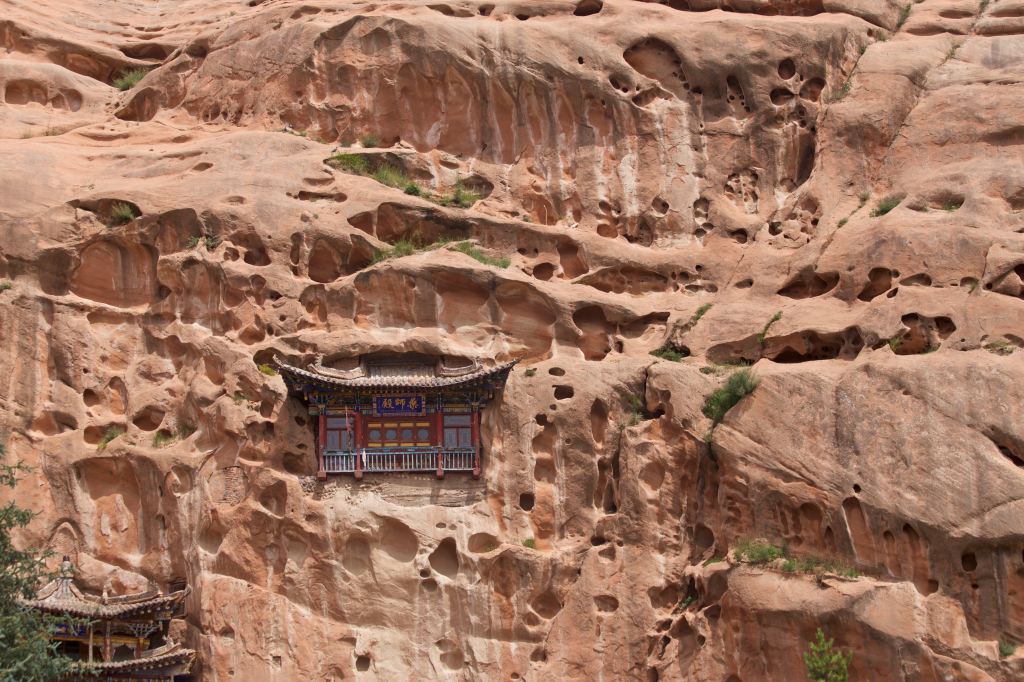
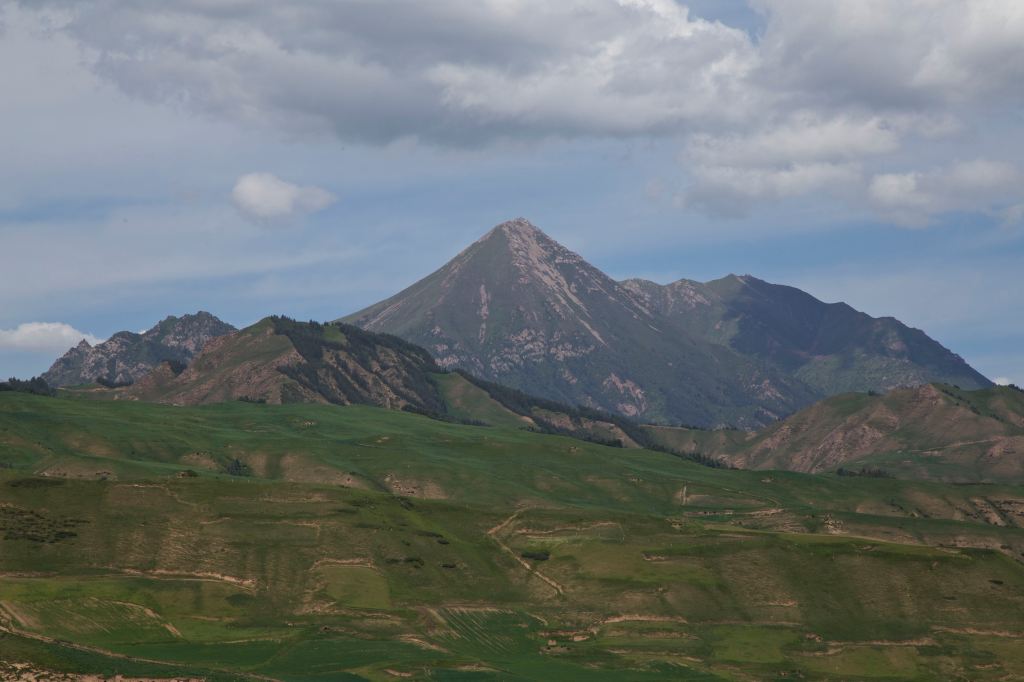
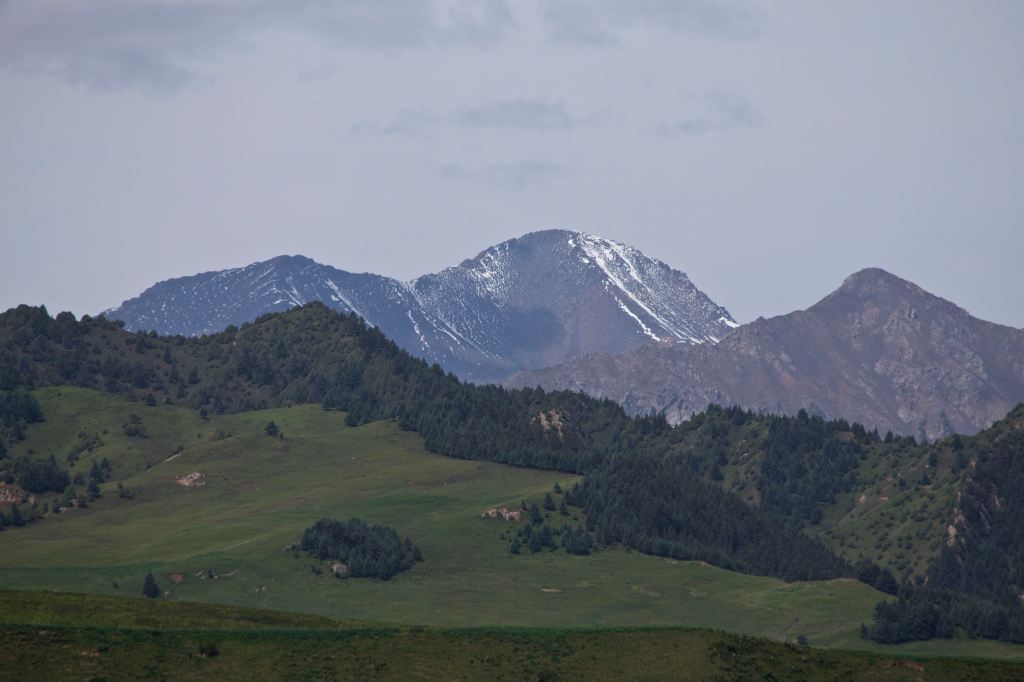
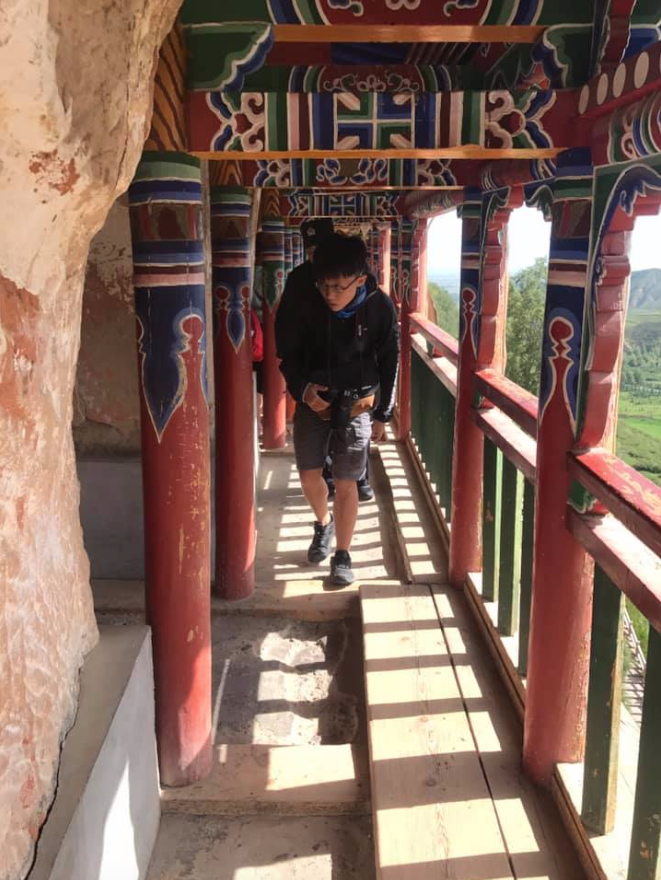
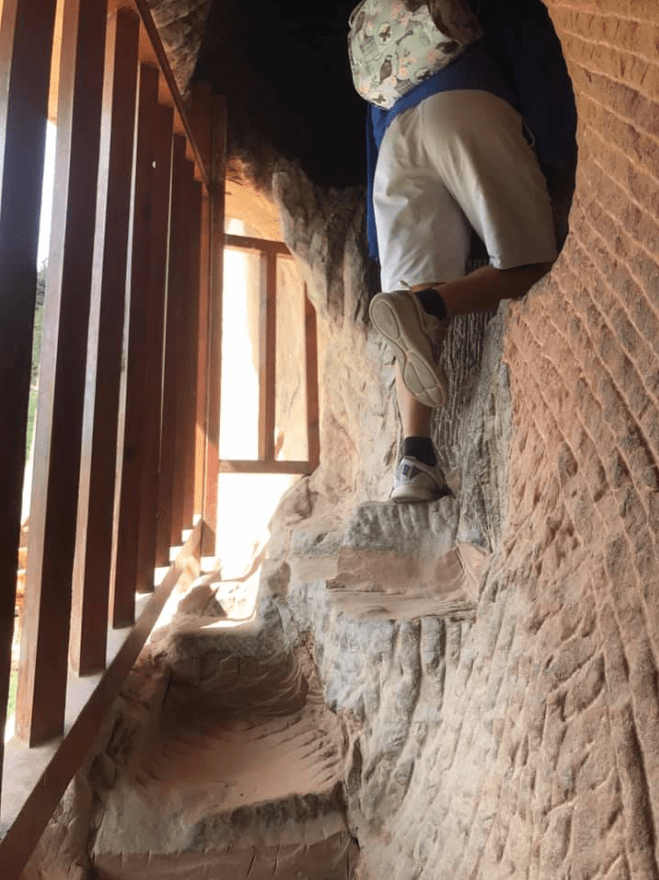
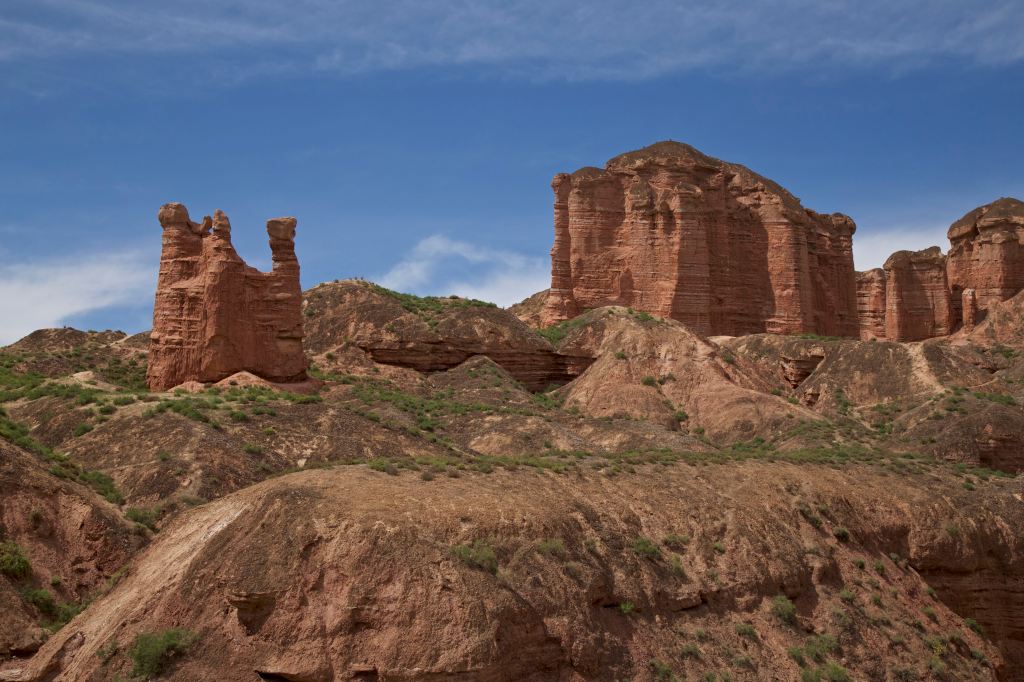
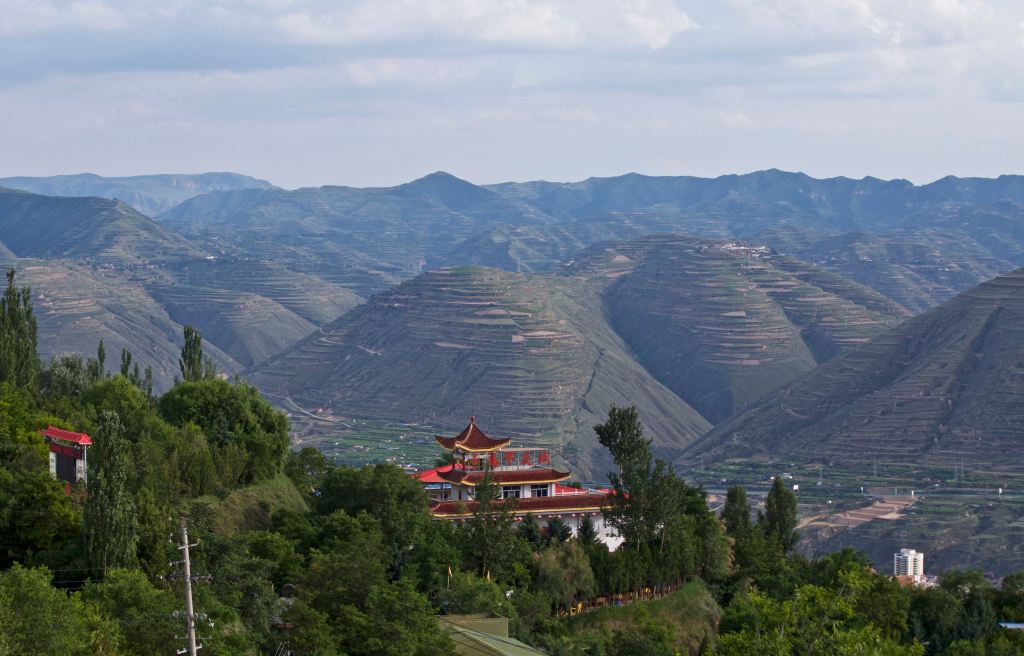
July 16th, Zhangye Mati Temple. Mati Temple is mainly known for its grotto arts of Tibetan Buddhism, it is surely amazing that it carries on the history from ancient times. Moreover, the ecosystem here is totally different from the previous ones we’ve been to in China. The altitude here is about 2800m, with higher annual precipitation. Because of this, there grows many coniferous trees and deciduous trees, looking more like a temperate forest, which I liked very much. The bird population here was very different from other ecosystems, without a surprise.
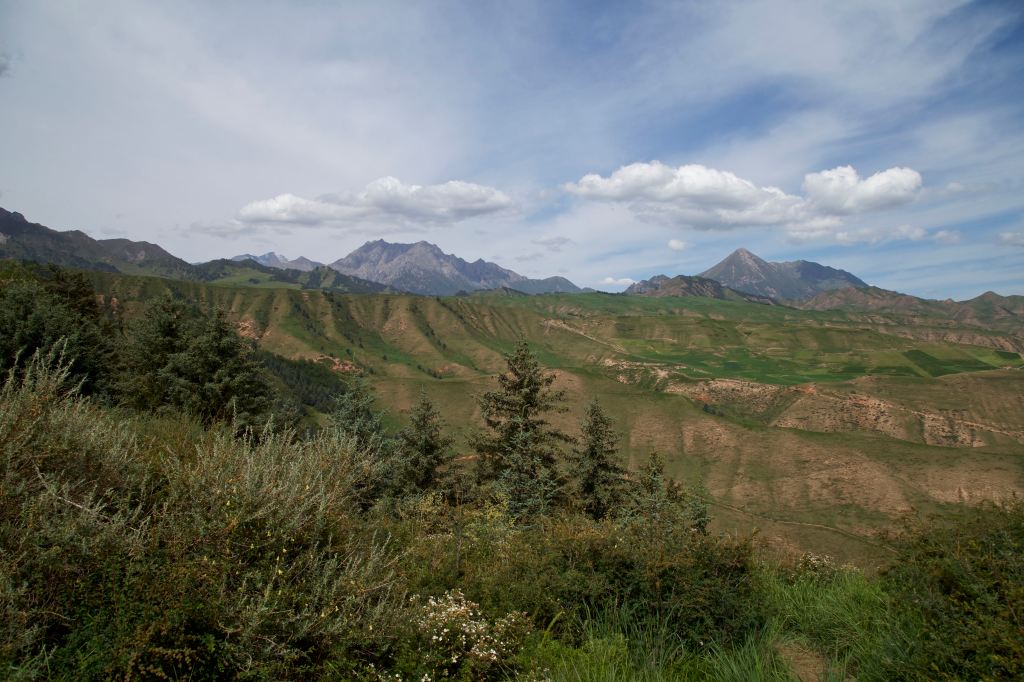
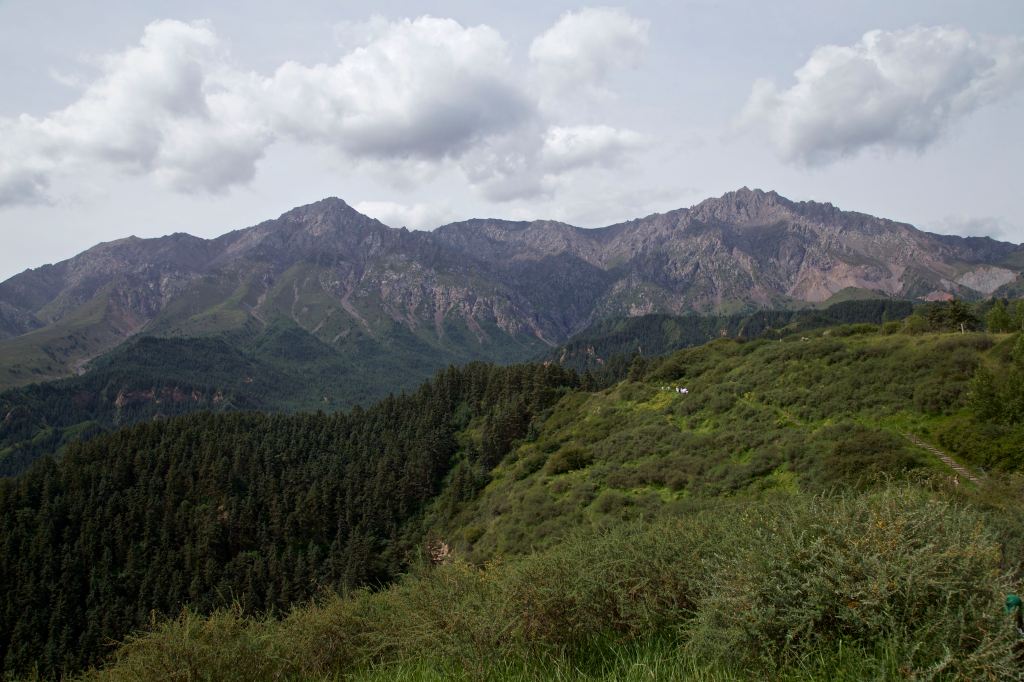
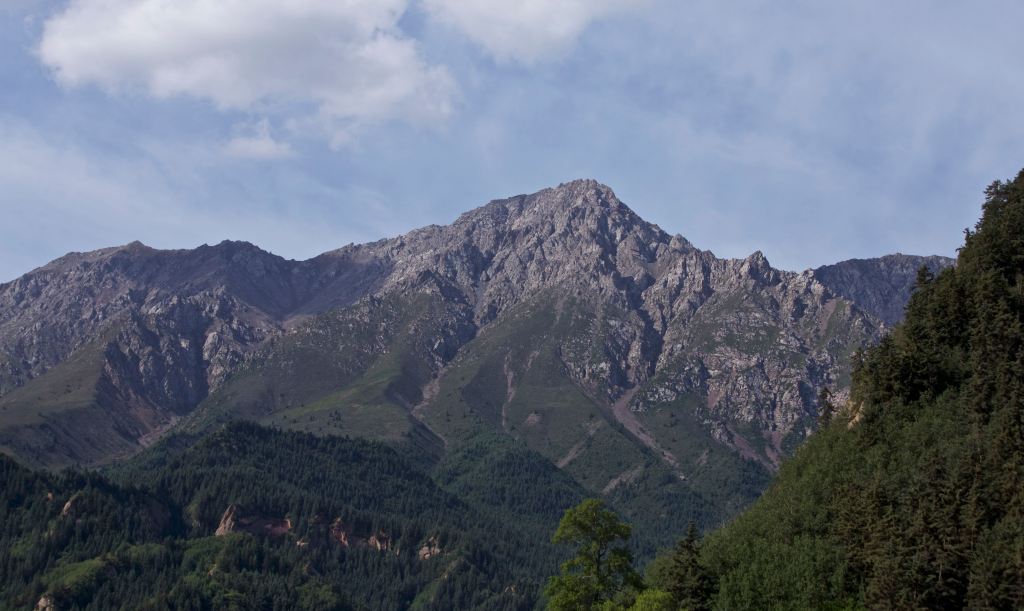
Scenery around Mati Temple
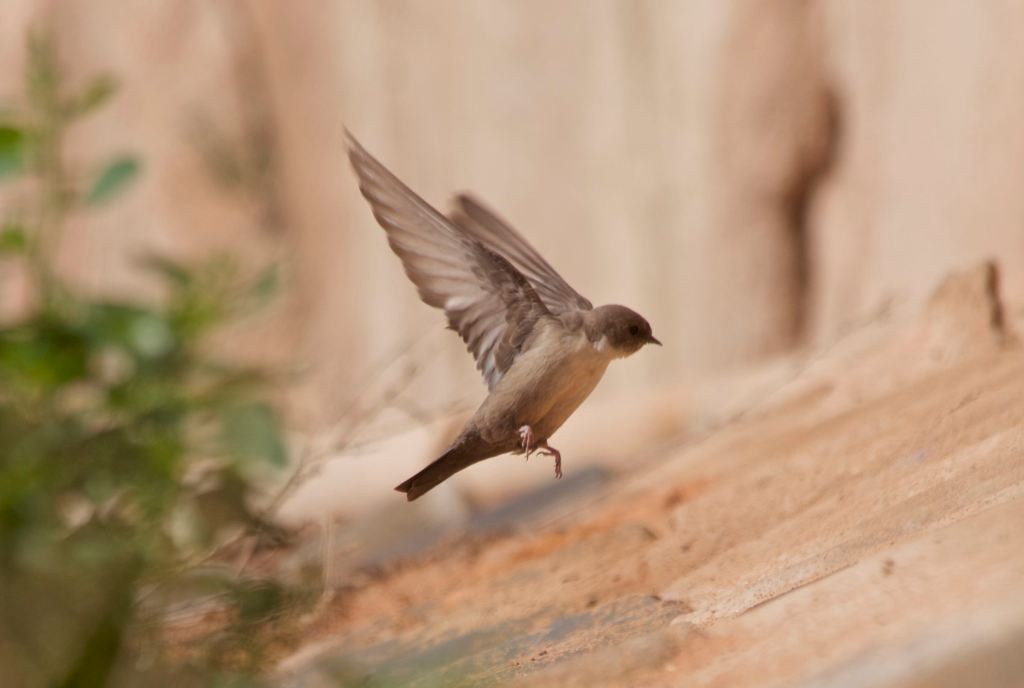
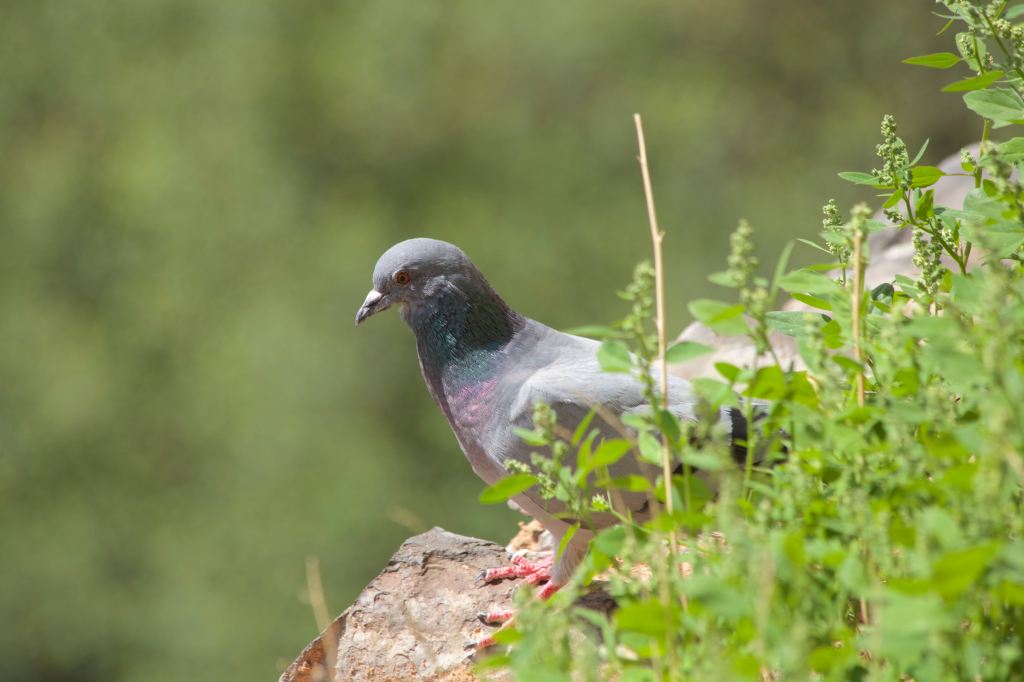
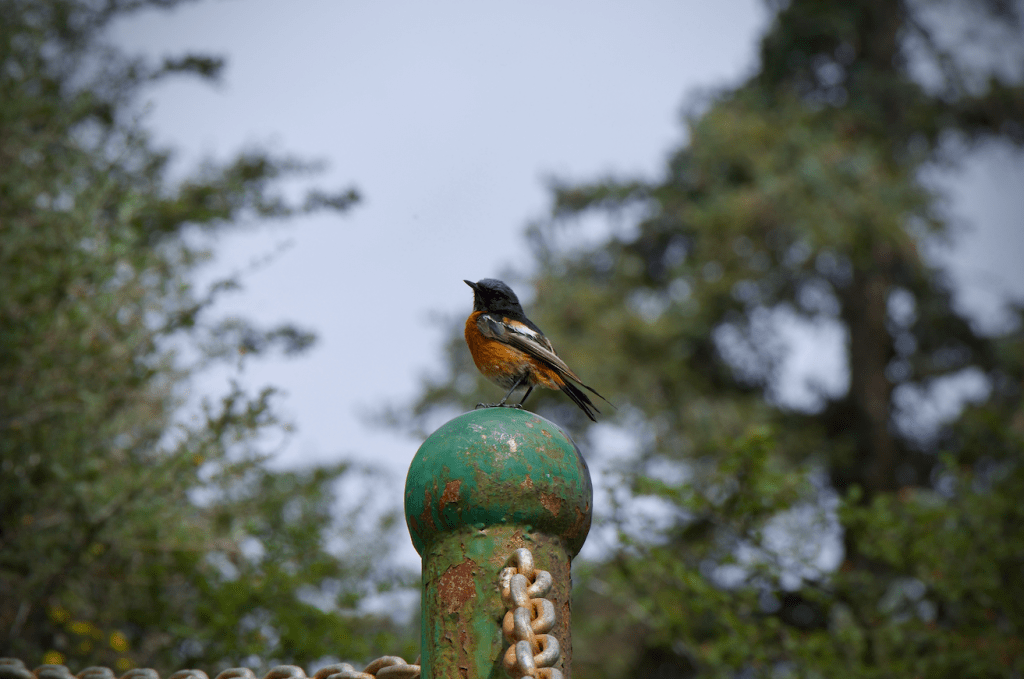
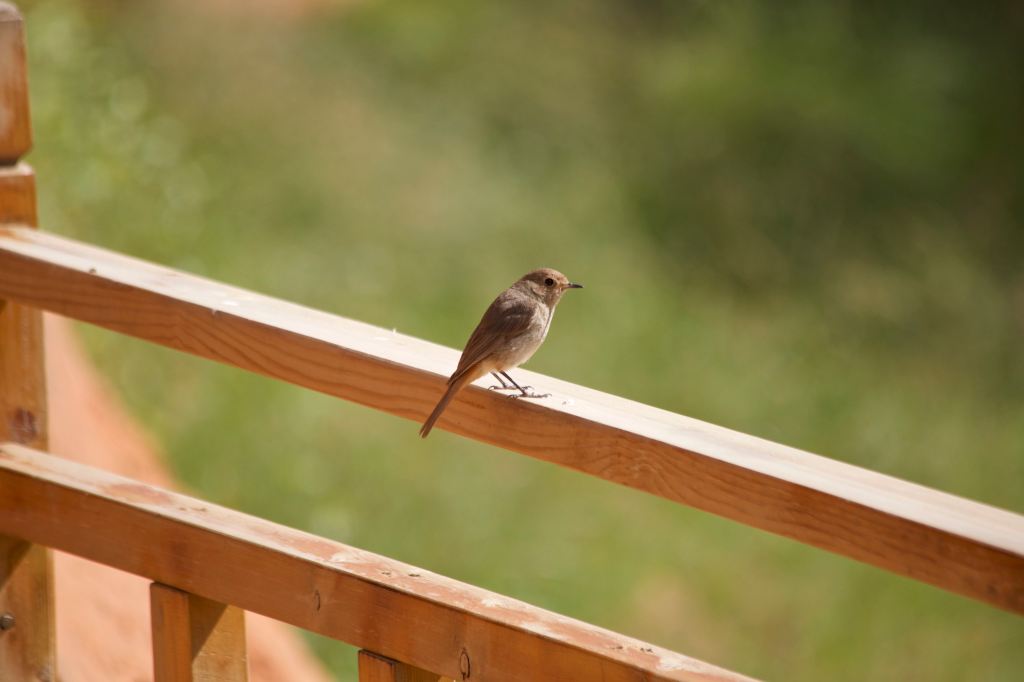
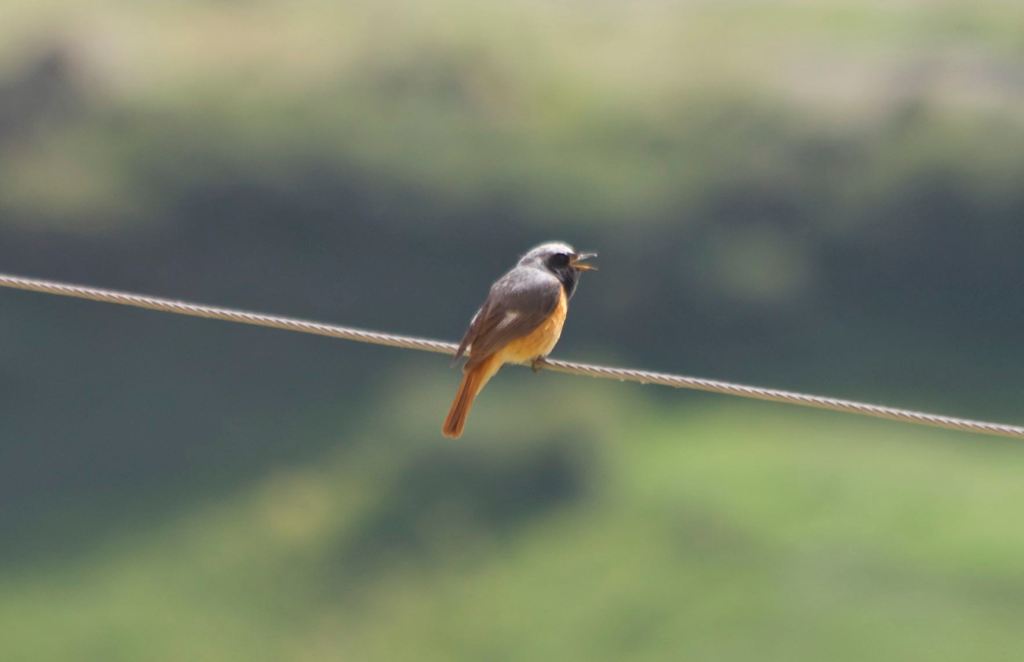
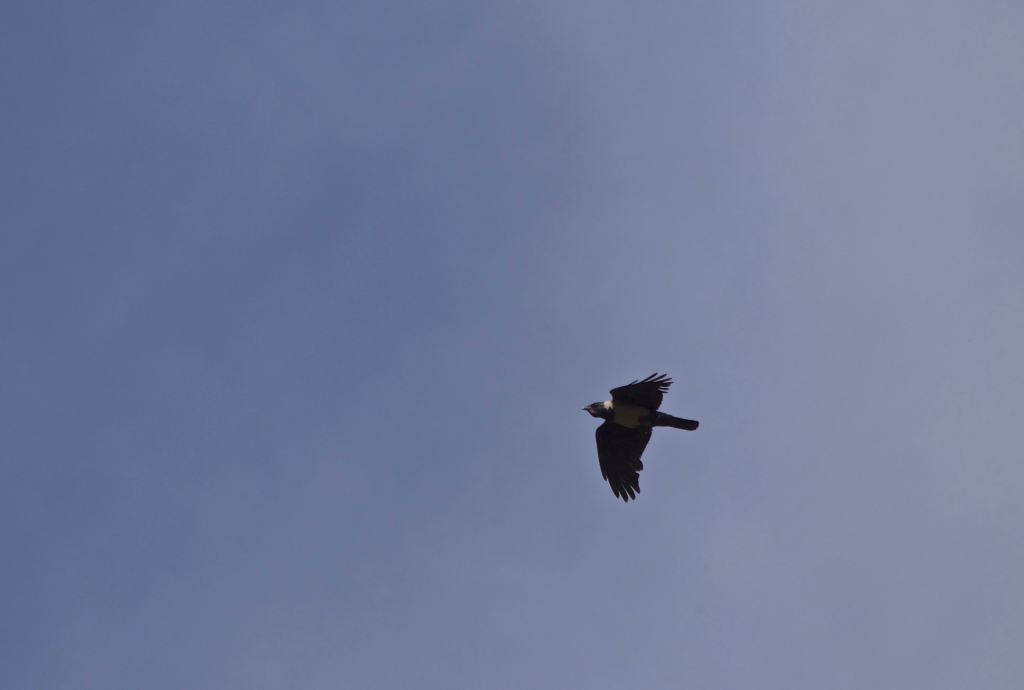
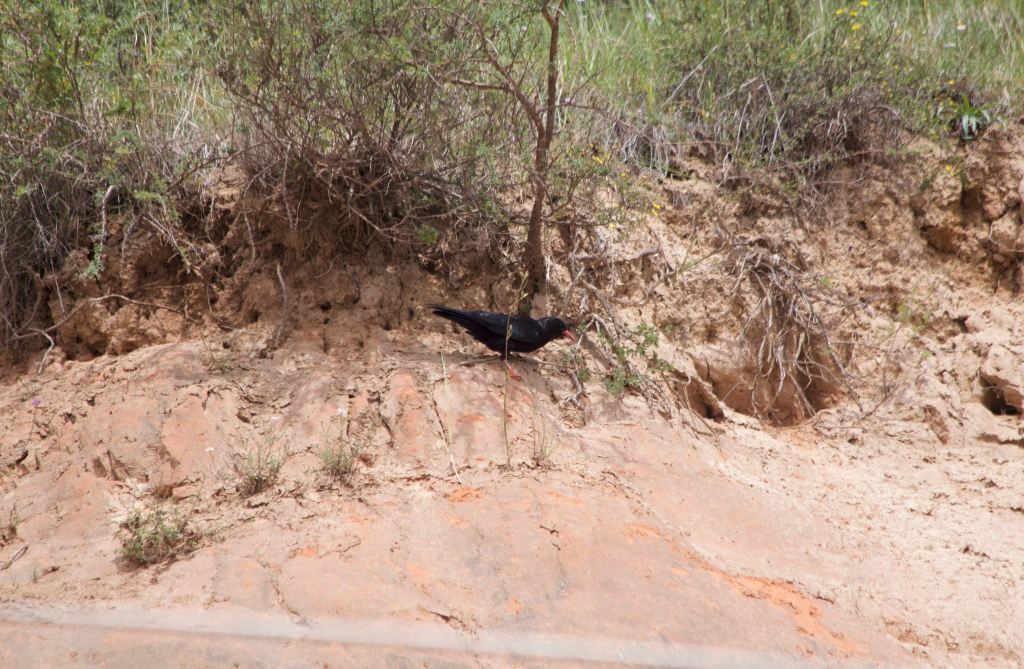
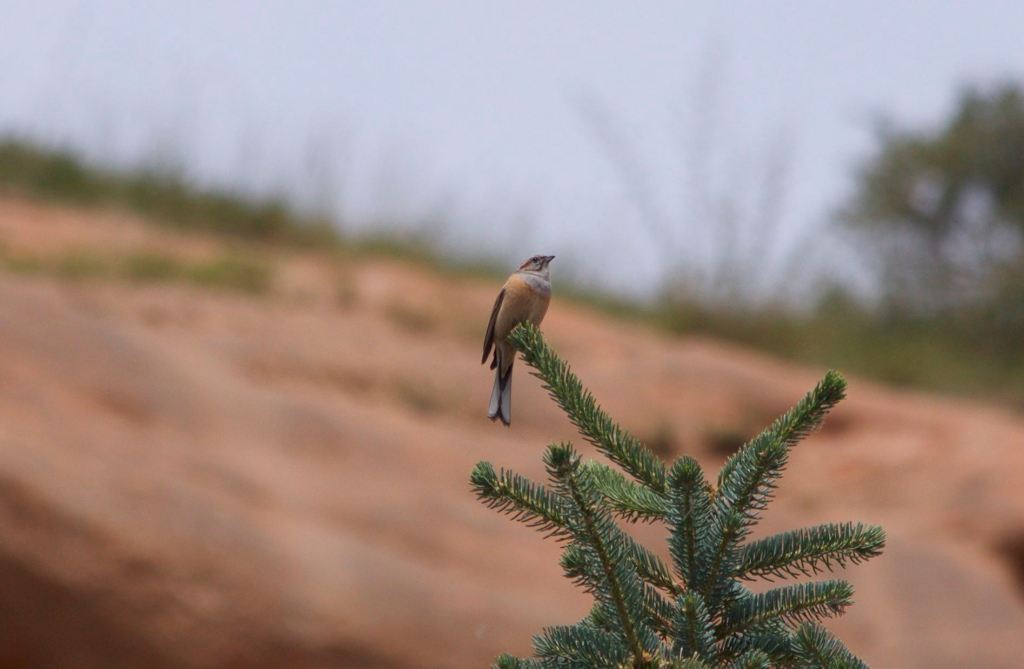
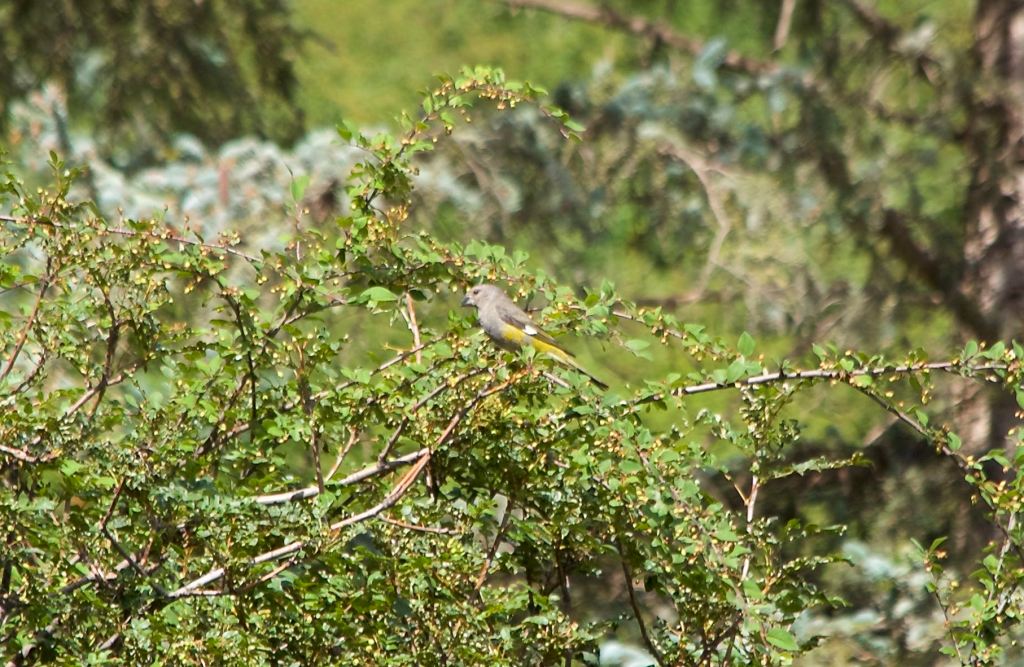
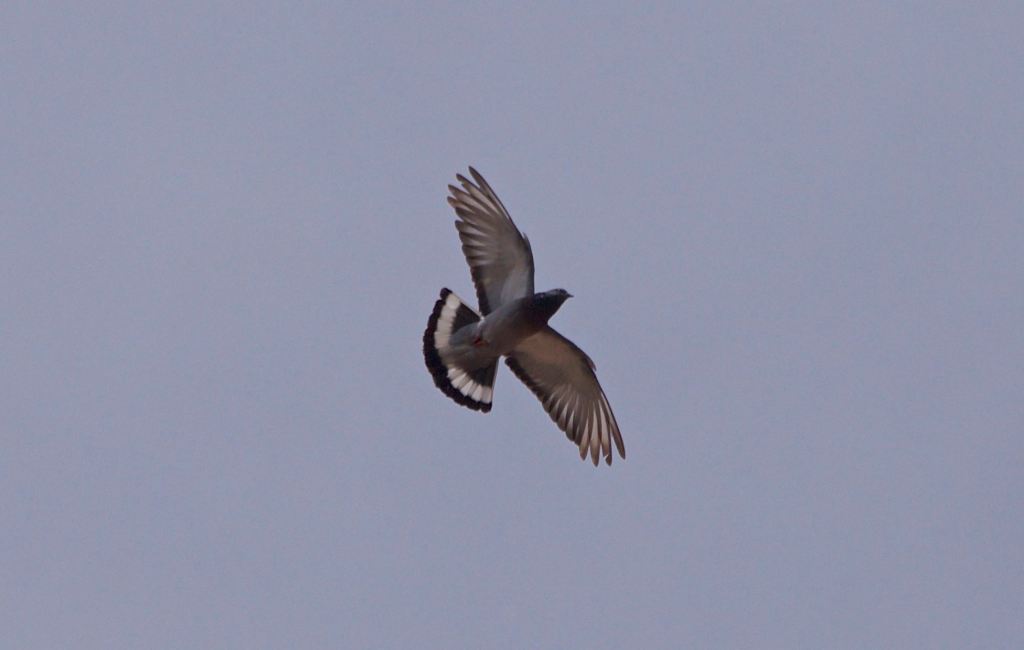
The first impression here was definitely the Hill Pigeons flying around the cliff. They looked very similar to the common feral Rock Pigeon, but with a distinctive broad white tail-band. Eurasian Crag-Martins, Asian House-Martins, and Common Swifts were flying everywhere as well. I was lucky enough to find a Salim Ali’s Swift inside of many Common Swifts. Another impressive group is Crows. The majority of the Crows are the Red-billed Choughs and the Daurian Jackdaws. There were some Eurasian Magpies and Large-billed Crows as well. Hodgson’s Redstarts were singing on the wire and a White-throated Redstart appeared on the trail railing. There are many kinds of redstarts in China, and I think they are all very beautiful, but it’s sometimes challenging to identify between them. A White-winged Grosbeak and a Great Spotted Woodpecker popped up around the trail. Always happy about it because they are all surprises for me since I didn’t expect to see them. And of course, the most common mountain bird here, Elliot’s Laughingthrushes, were seen many where. Before leaving, a Godlewski’s Bunting made an appearance on the top of a tree, singing loudly. This is another surprise, I was very happy at Mati Temple.
Eurasian Crag-Martin
Hill Pigeon
White-throated Redstart
Hodgson’s Redstart (Female)
Hodgson’s Redstart (Male)
Daurian Jackdaw
Red-billed Chough
Godlewski’s Bunting
White-winged Grosbeak
Hill Pigeon
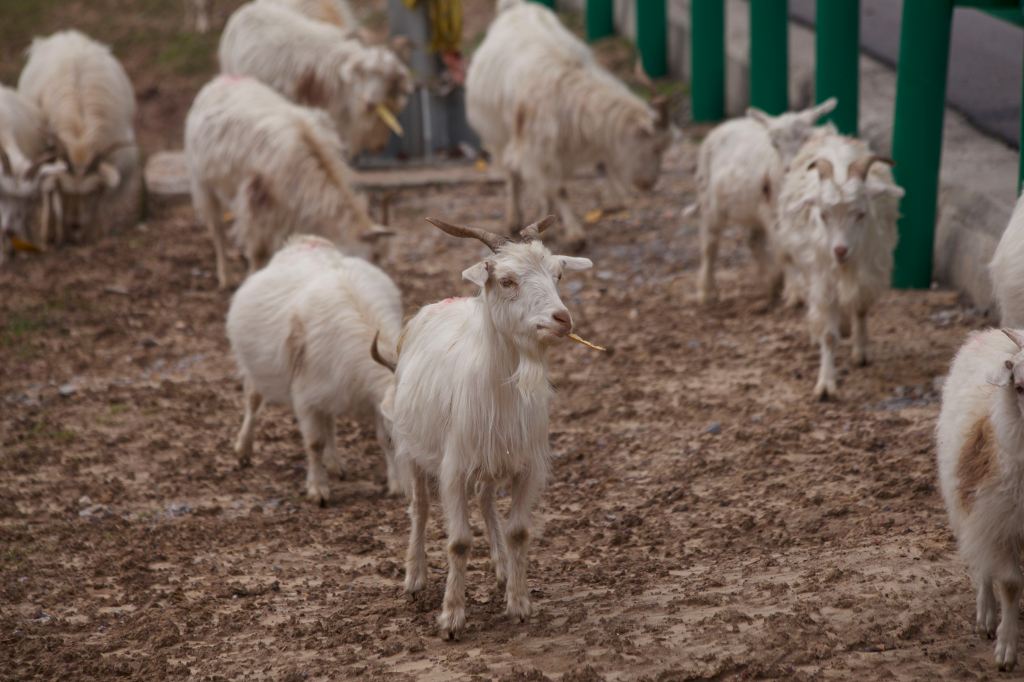
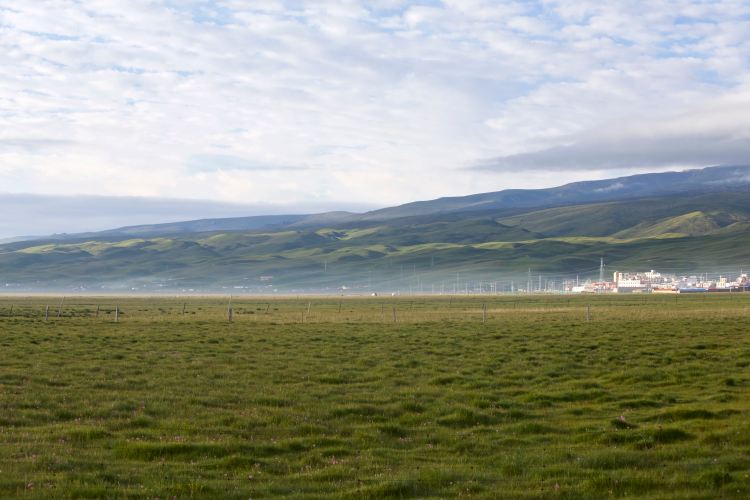
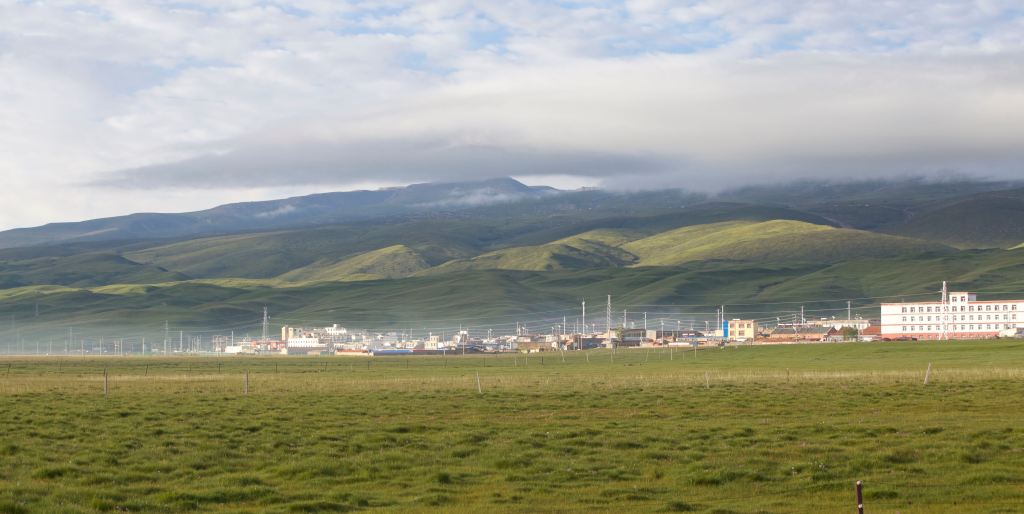
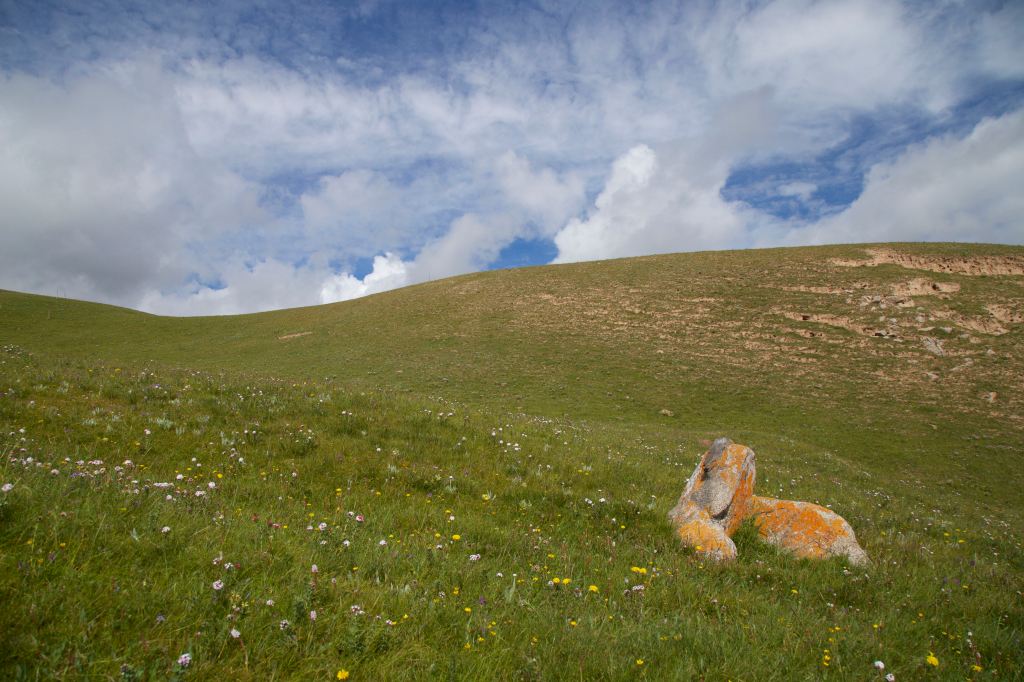
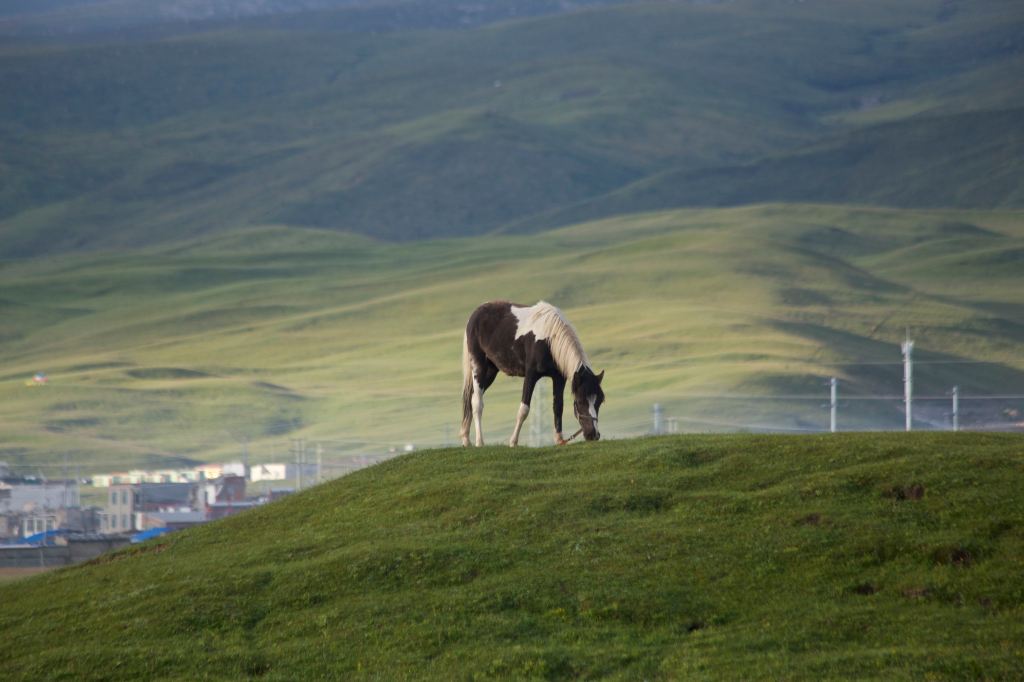
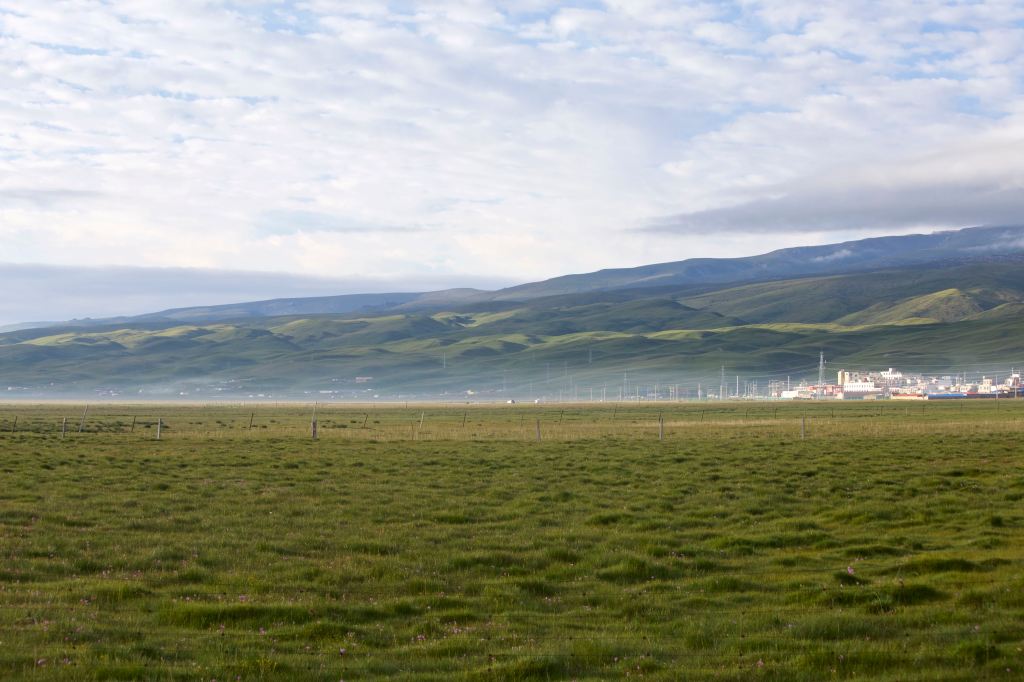
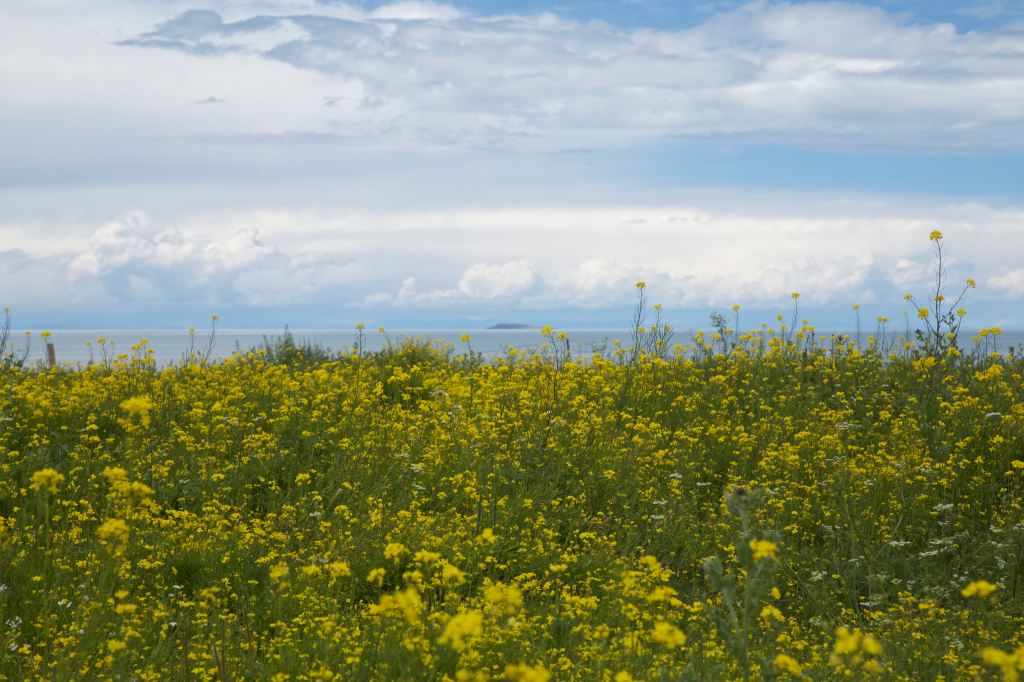
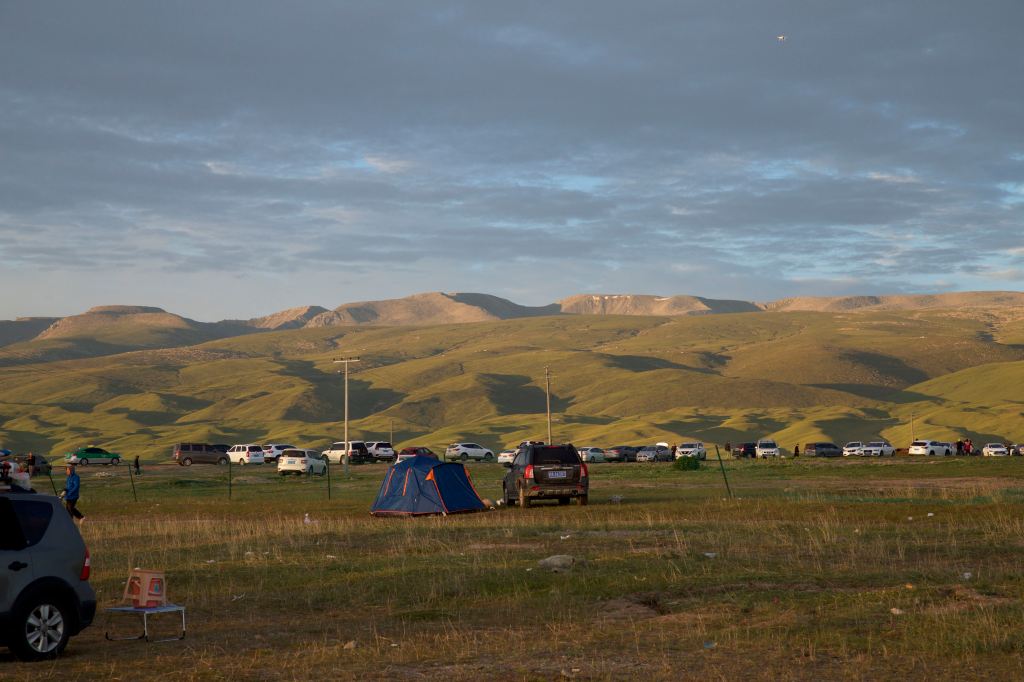
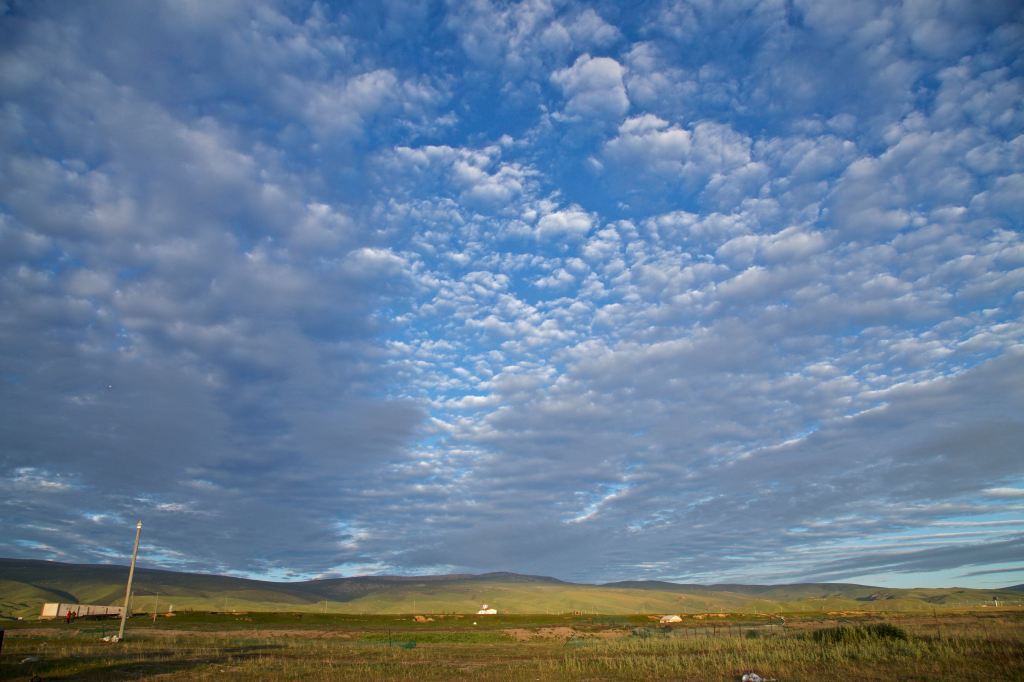
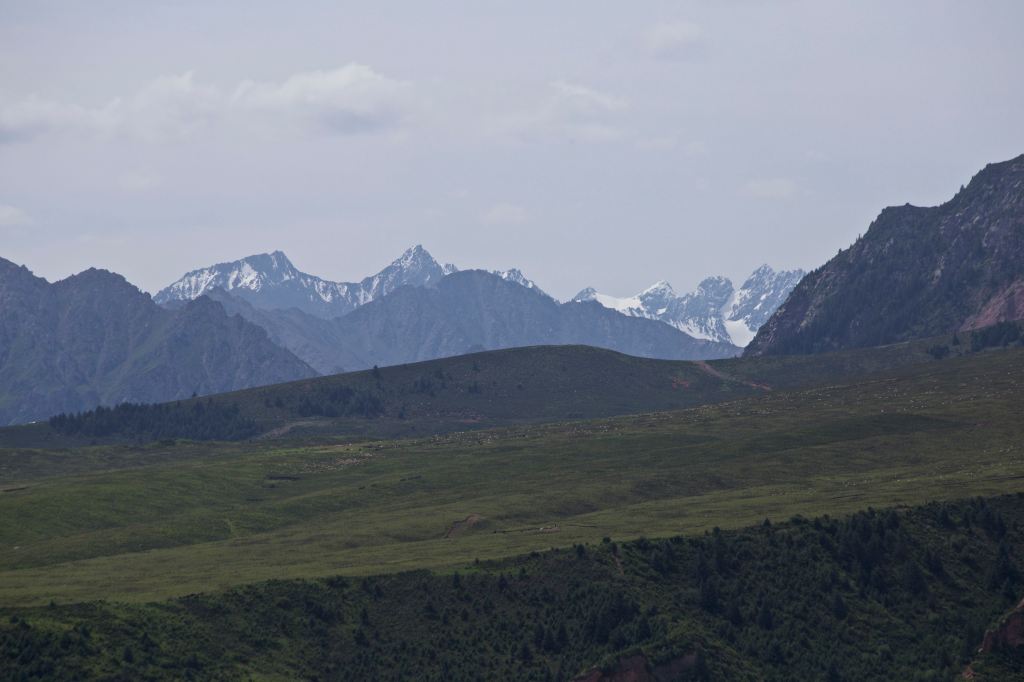
July 18th, Qinghai Lake Area. Finally, we arrived at the place I had dreamt for a long time. This is a wonderful place, an endless grassland with many sheep, horses, and yaks feeding on it. The wildlife here is surely amazing.
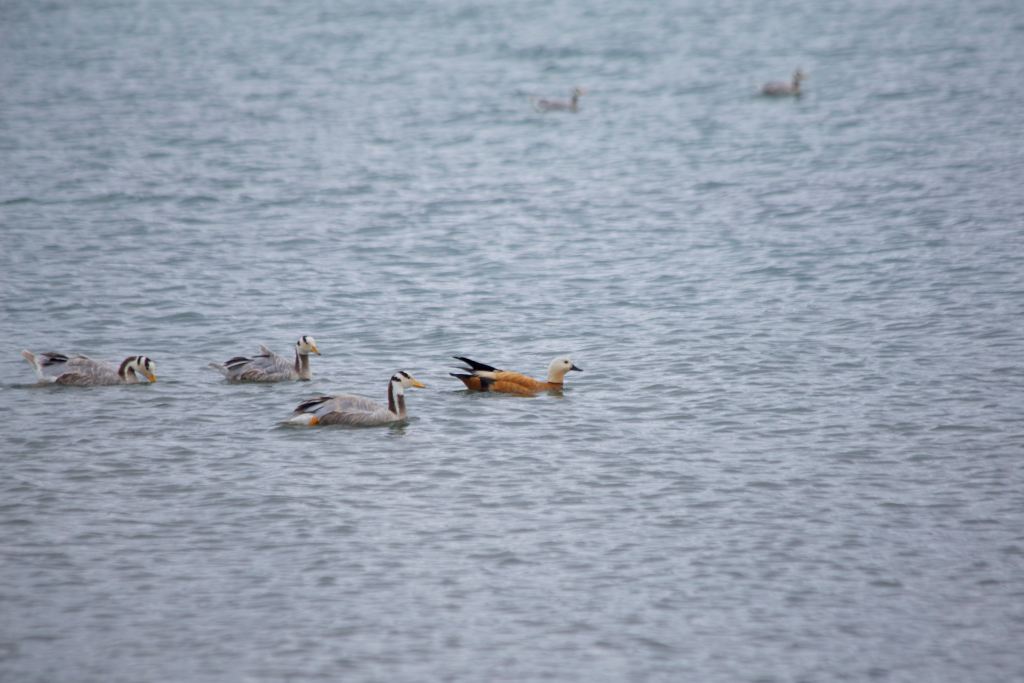
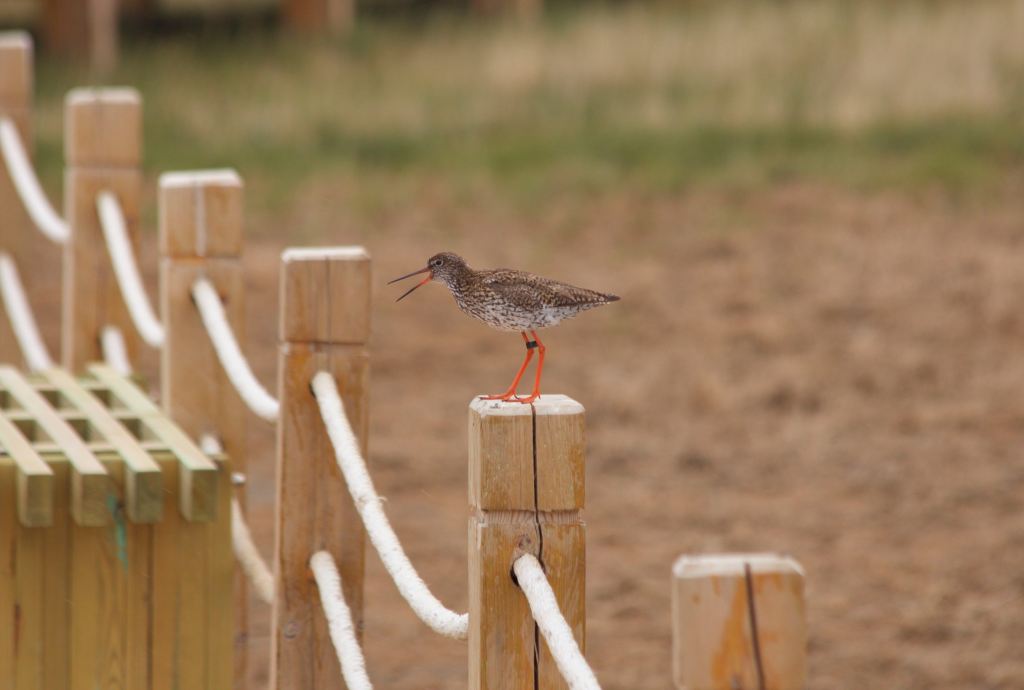
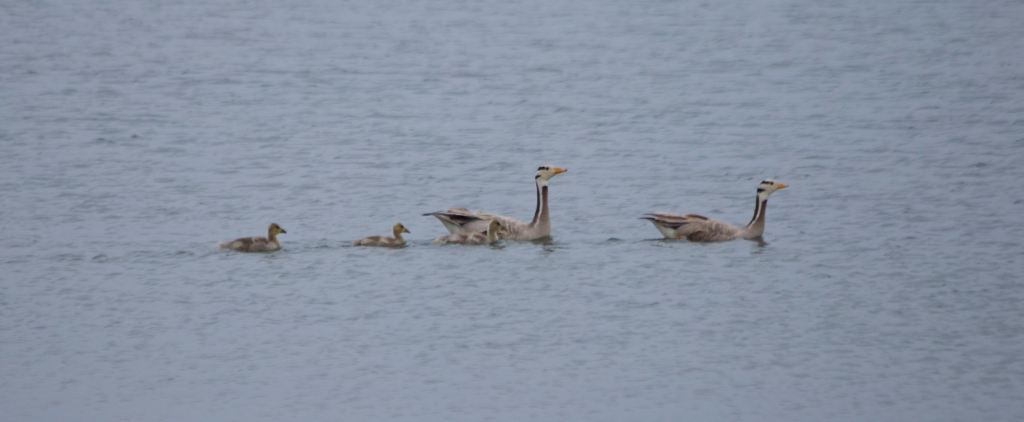
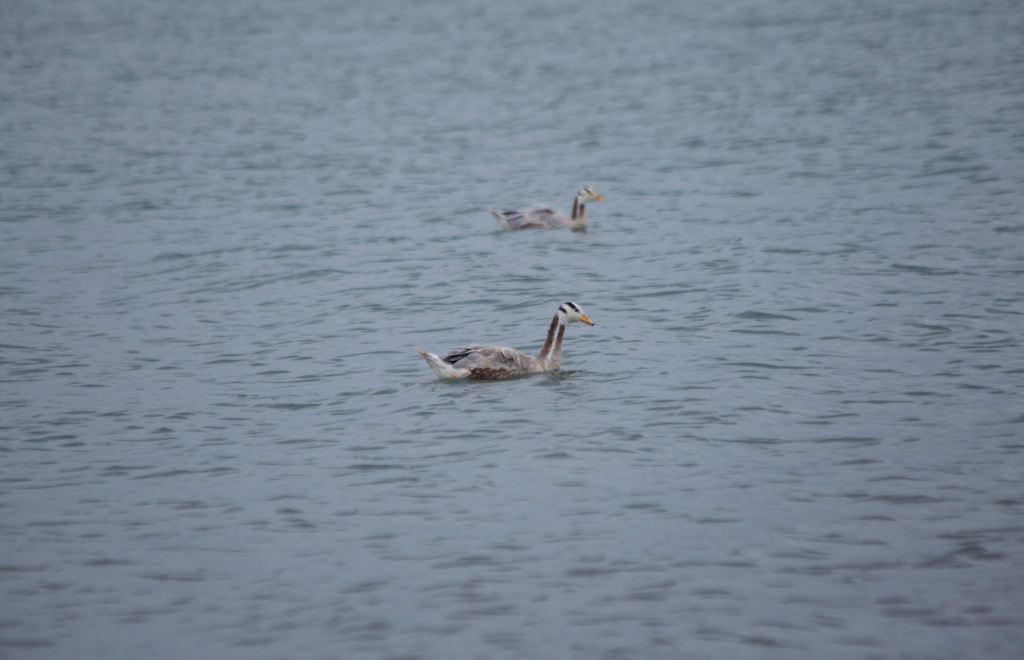
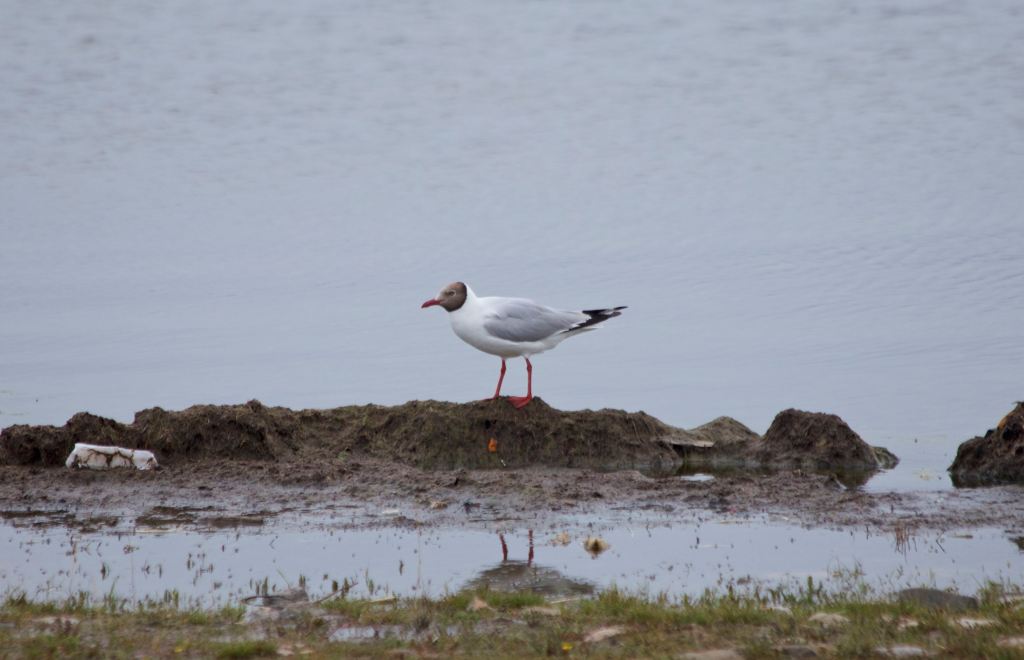
The first bird came into sight was a Brown-headed Gull, its appearance matched its name. After a night in the hostel, we went for a relaxing stroll to the lakeside. Many birds swimming in the lake, most of them were Bar-headed Geese, some of them even had chicks. A Ruddy Shelduck was found inside a group of Bar-headed Goose, the yellowish of its body was very impressive, I think it is very cute. 6 Great Crested Grebes were on the water in the distance, it’s never boring to see them with their cool looking. Some Common Terns and Great Cormorants sometimes flew over too, luckily the former one didn’t attack me this time. There were some breeding shorebirds here as well, such as Common Redshanks and Wood Sandpipers. One of the Common Redshank even had a banding on its foot.
Ruddy Shelduck
Common Redshank
Bar-headed Goose
Bar-headed Goose
Brown-headed Gull
Great Cormorant
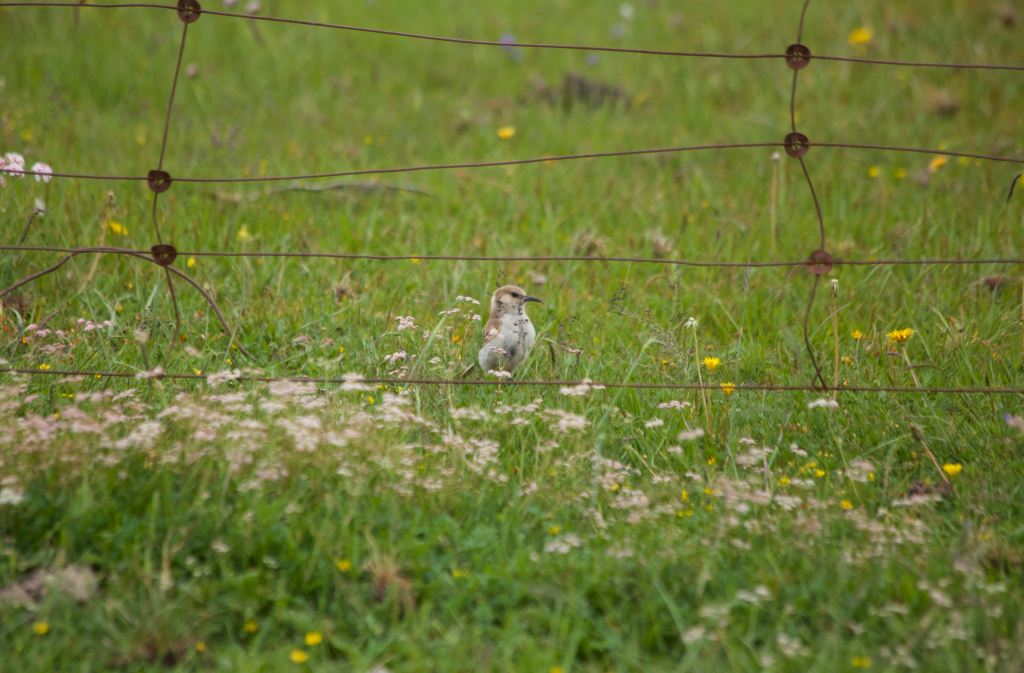
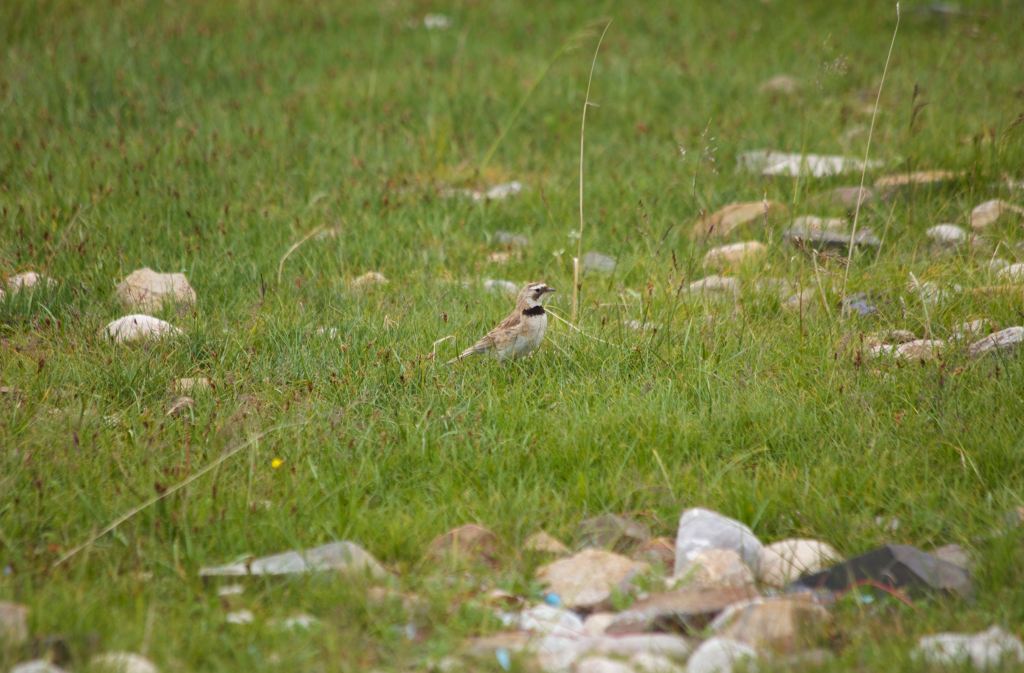
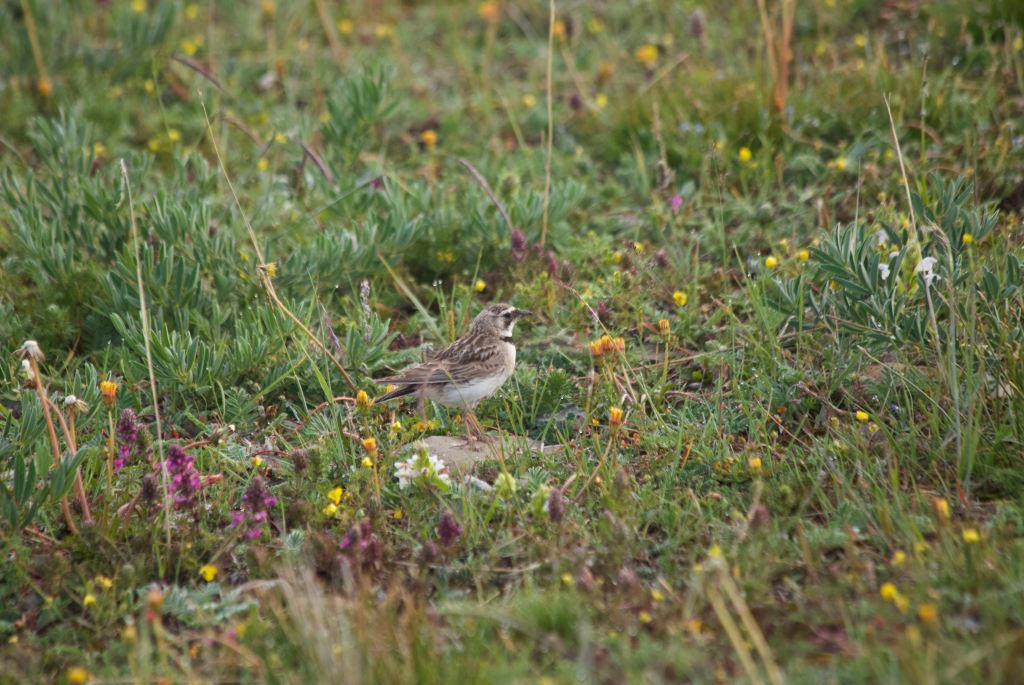
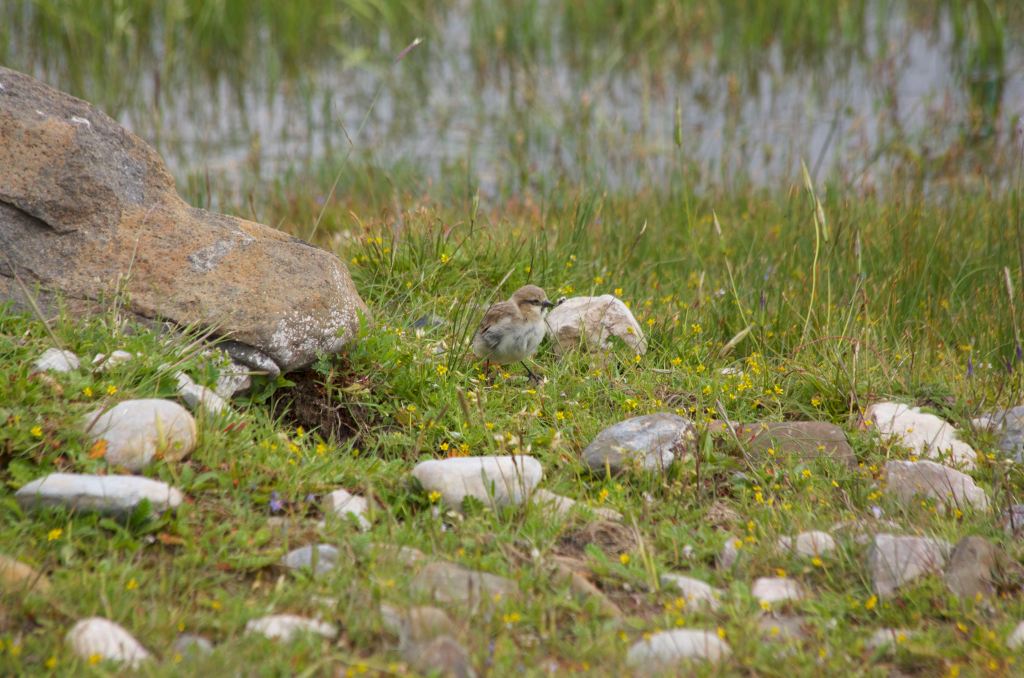
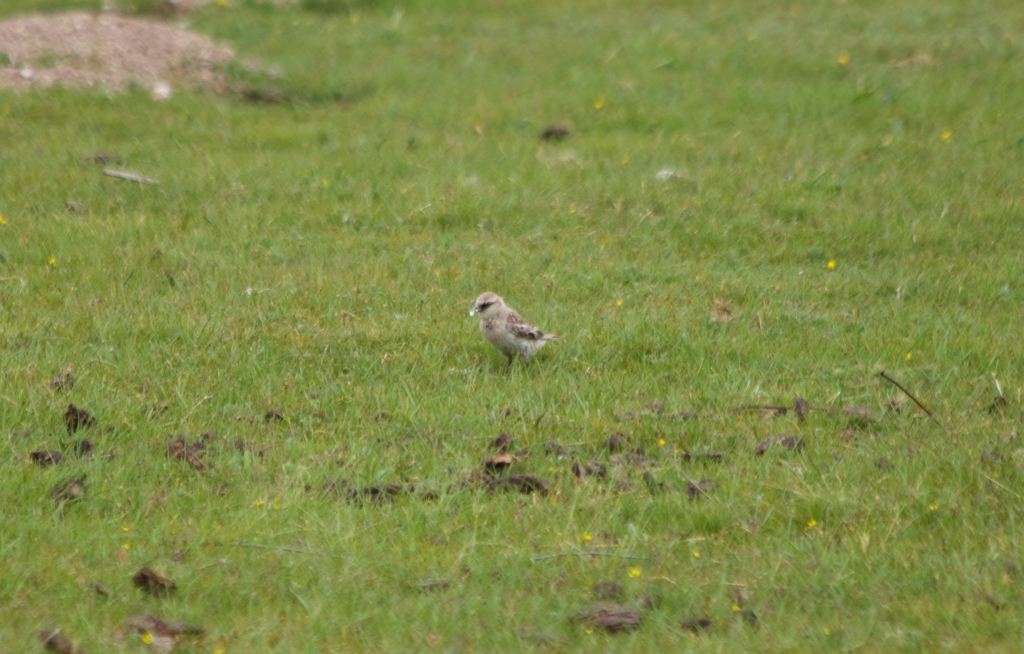
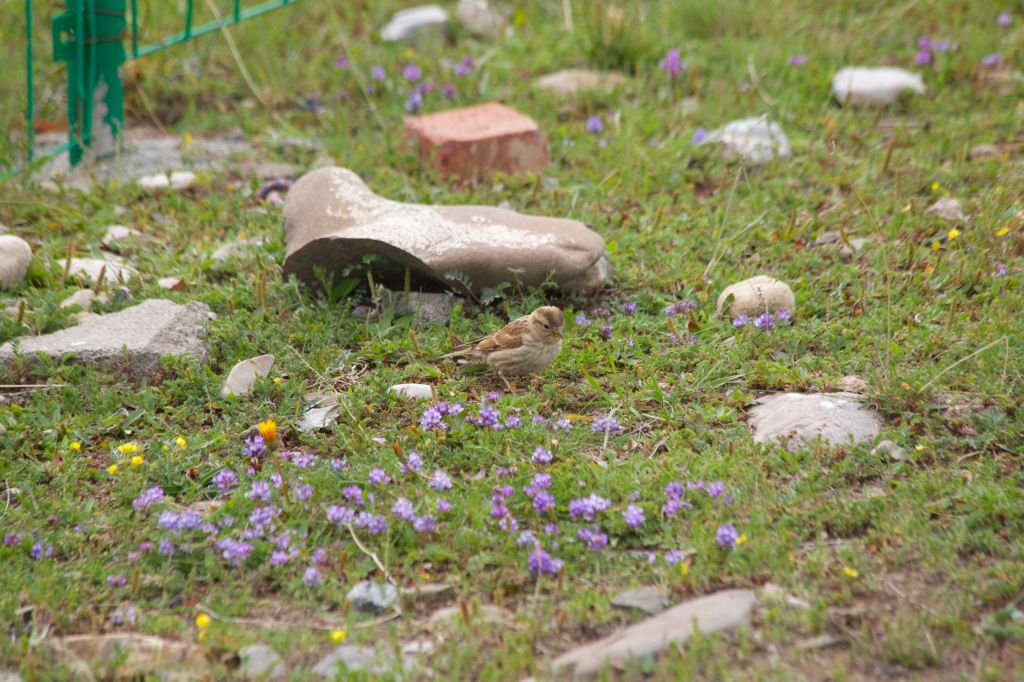
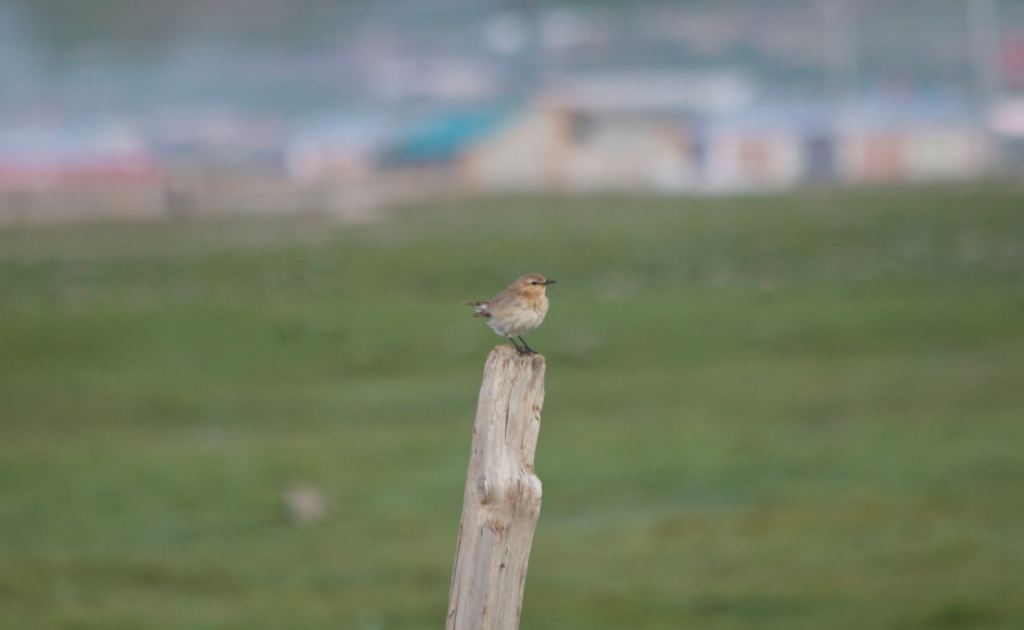
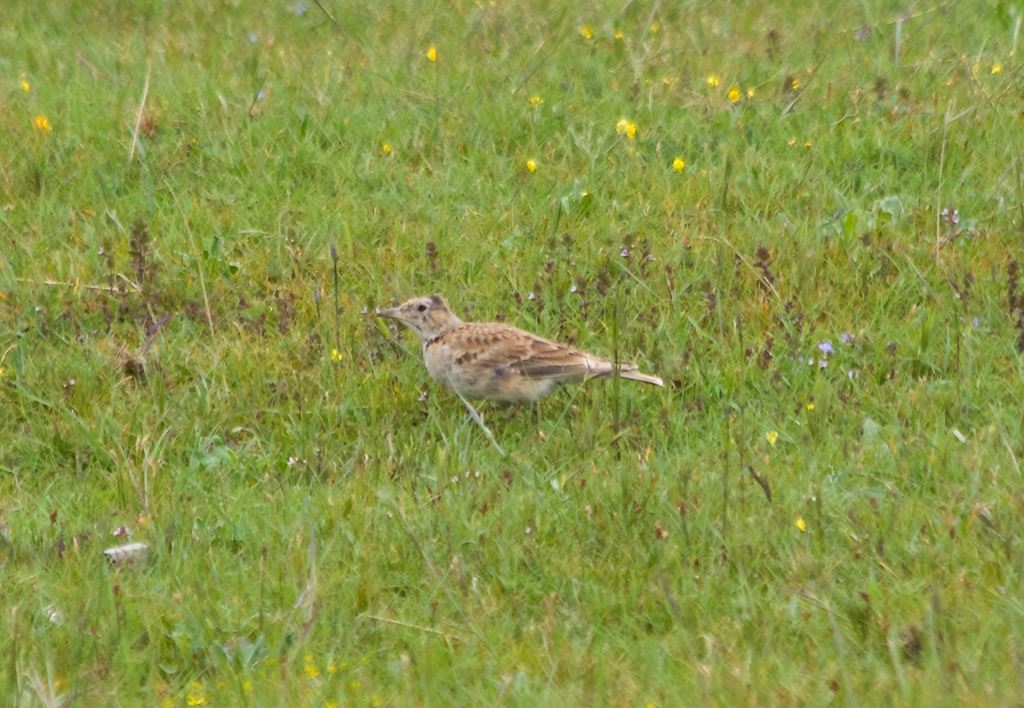
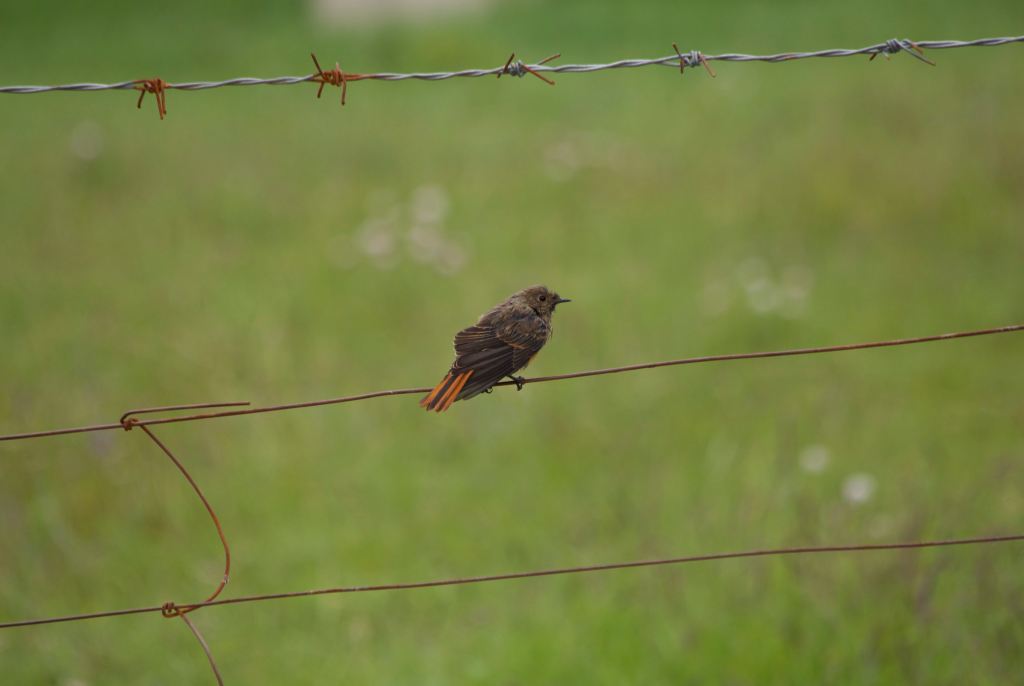
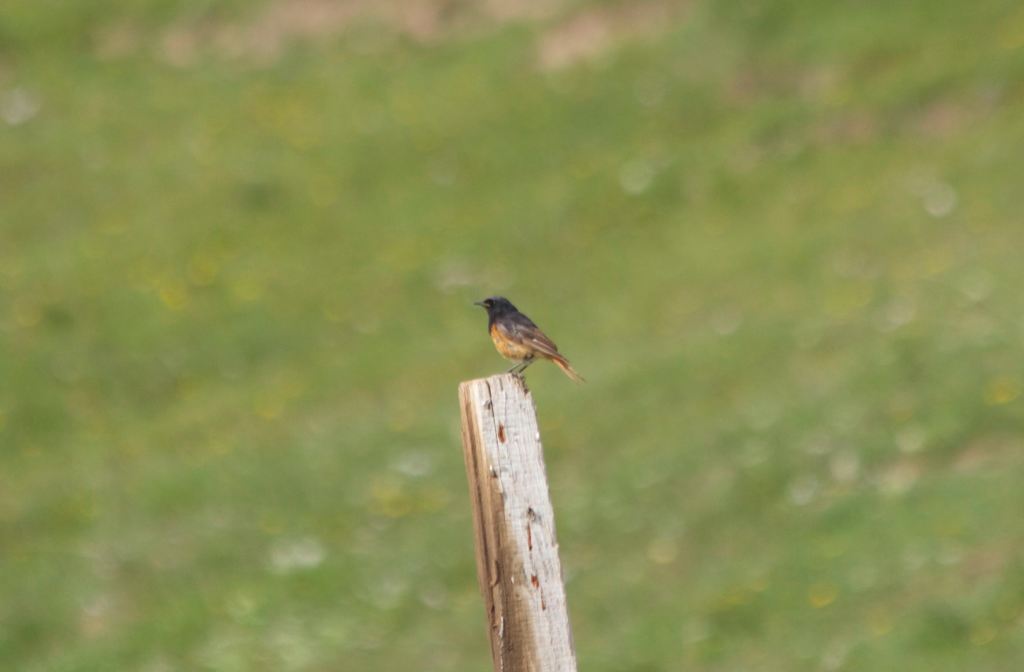
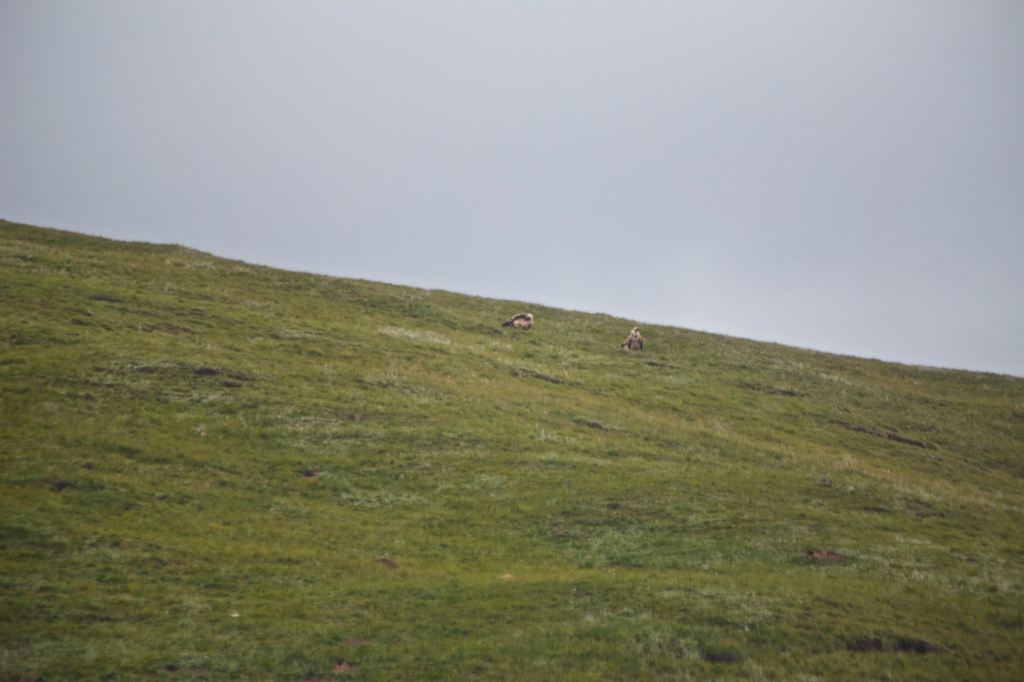
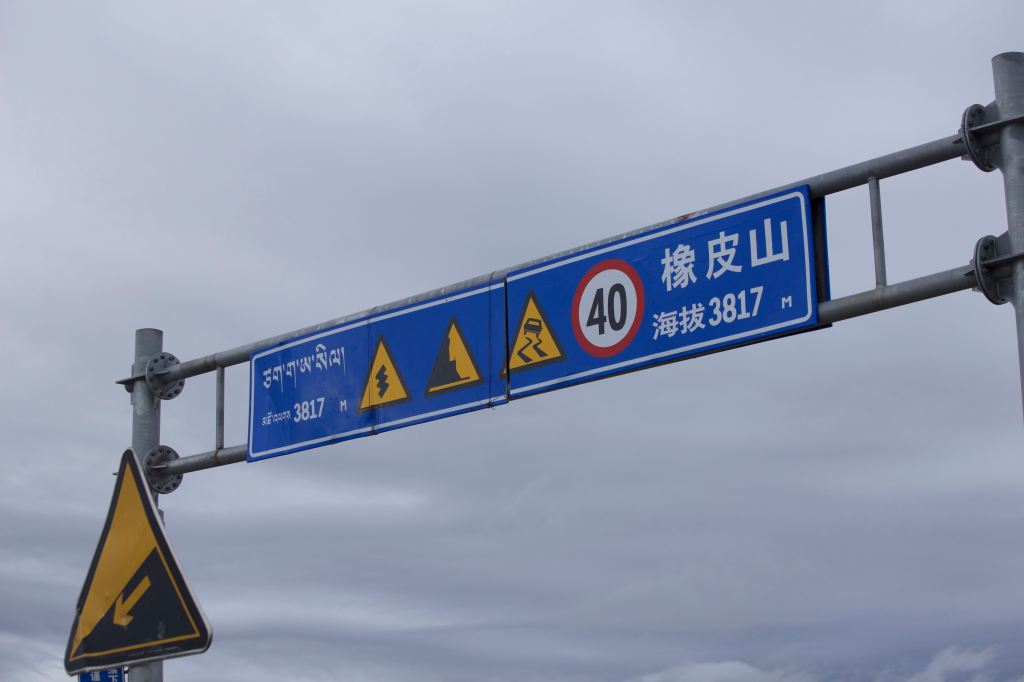
There were many birds during the stroll, too. My main targets here were the narrowly distributed snowfinches. I was lucky to see two species of it, the Rufous-necked Snowfinch and the White-rumped Snowfinch. These are actually in the same family Passeridae with Eurasian Tree Sparrows. There was another species of Passeridae I saw around Qinghai Lake, it was Rock Sparrow. Besides these “sparrows", Ground Tits and Horned Larks were abundant, followed by Black Redstarts and Red-billed Choughs with a smaller population, but still easily seen. Another lifer for me was an Isabelline Wheatear standing on a pole, these wheatears rarely come to Taiwan, so it’s always good for me to see them. A Tibetan Lark was just beside the road, this species is also narrowly distributed as the snowfinches, so it’s good for me. The last thing to say here, when we were driving through the rubber mountain beside the lake, we saw 3 Himalayan Griffons hovering in the sky and eventually landed on the hillside. This is the first time for me to see this kind of huge vultures. This species was a top target species I arranged before the trip, I am glad to see them.
Ground Tit
Horned Lark
Horned Lark
Rufous-necked Snowfinch
White-rumped Snowfinch
Rock Sparrow
Isabelline Wheatear
Tibetan Lark
Black Redstart
Black Redstart (Male)
Himalayan Griffon
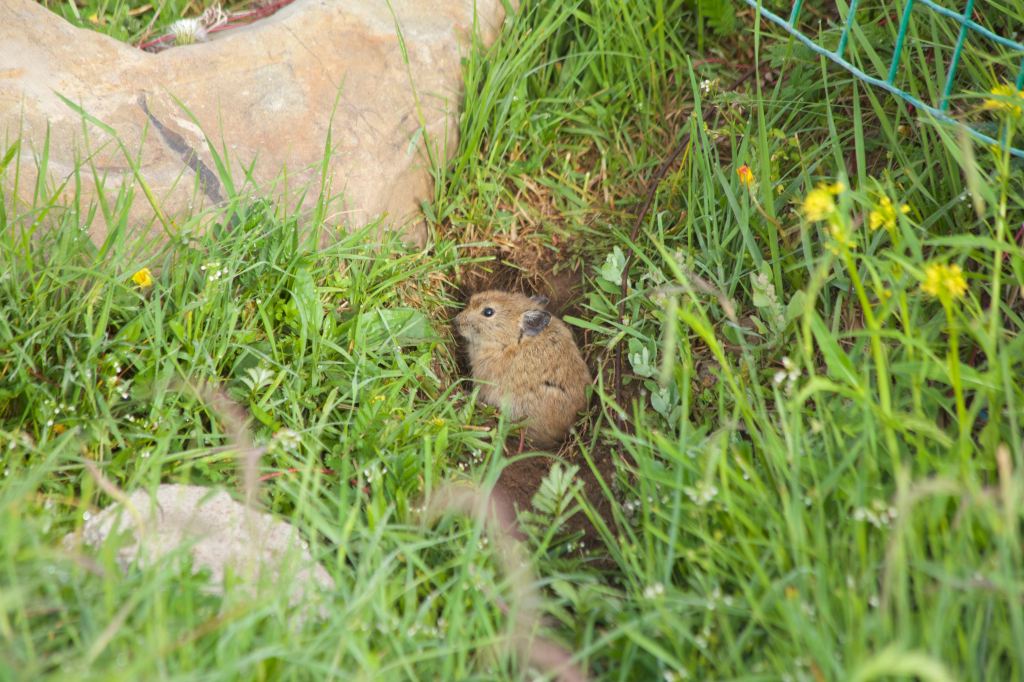
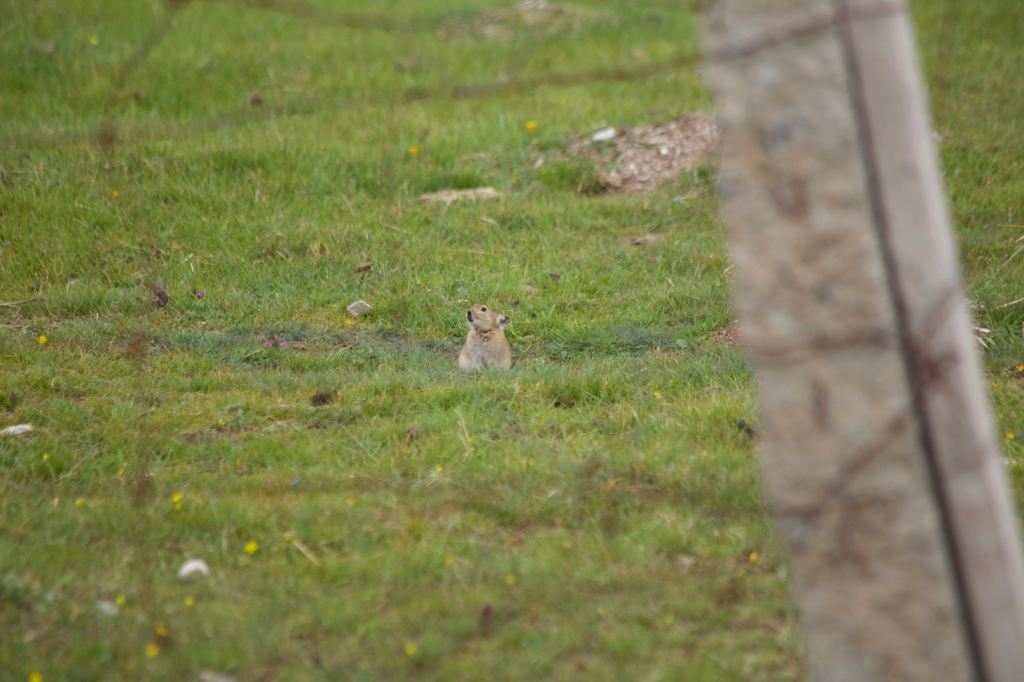
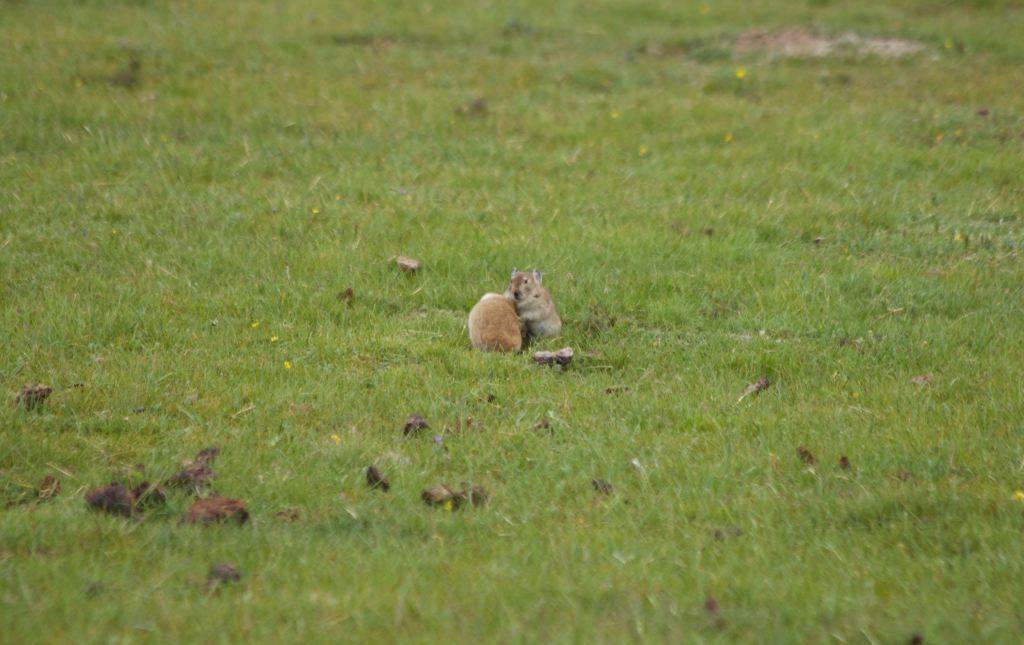
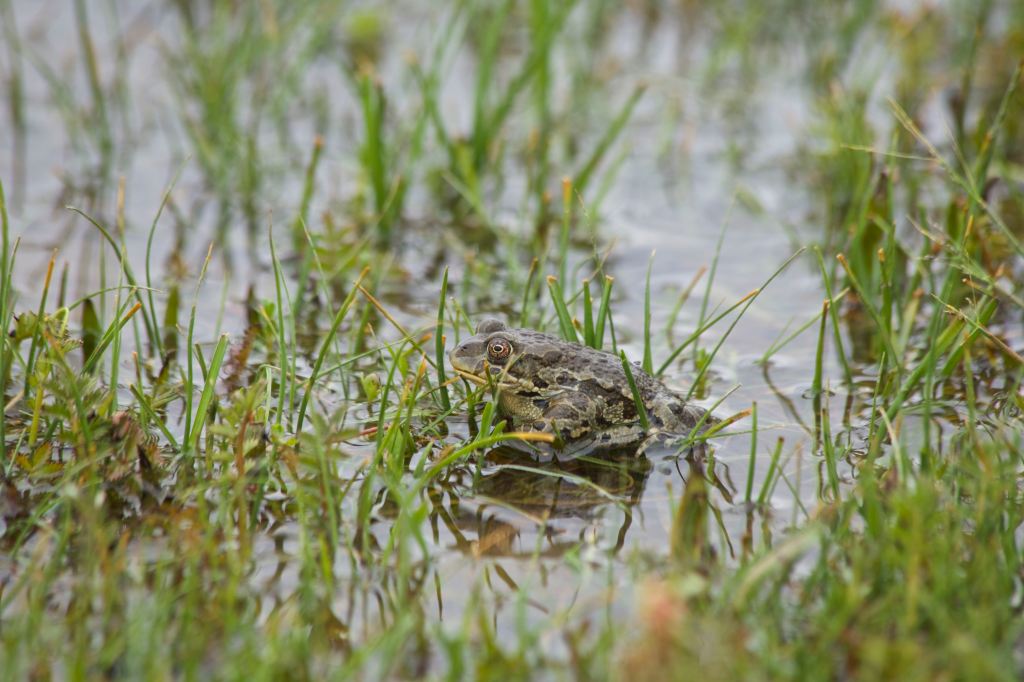
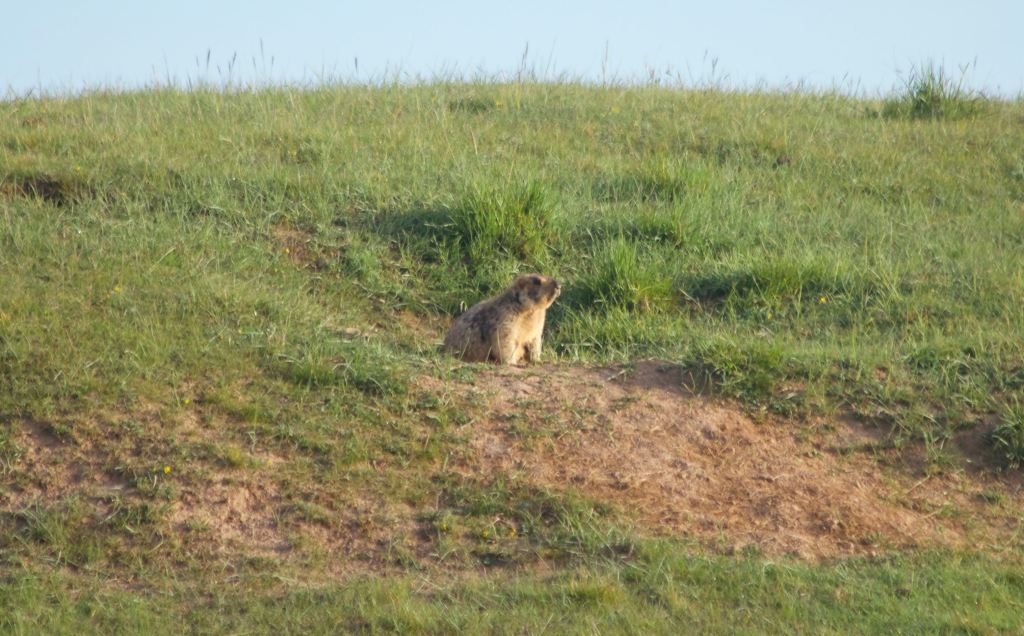
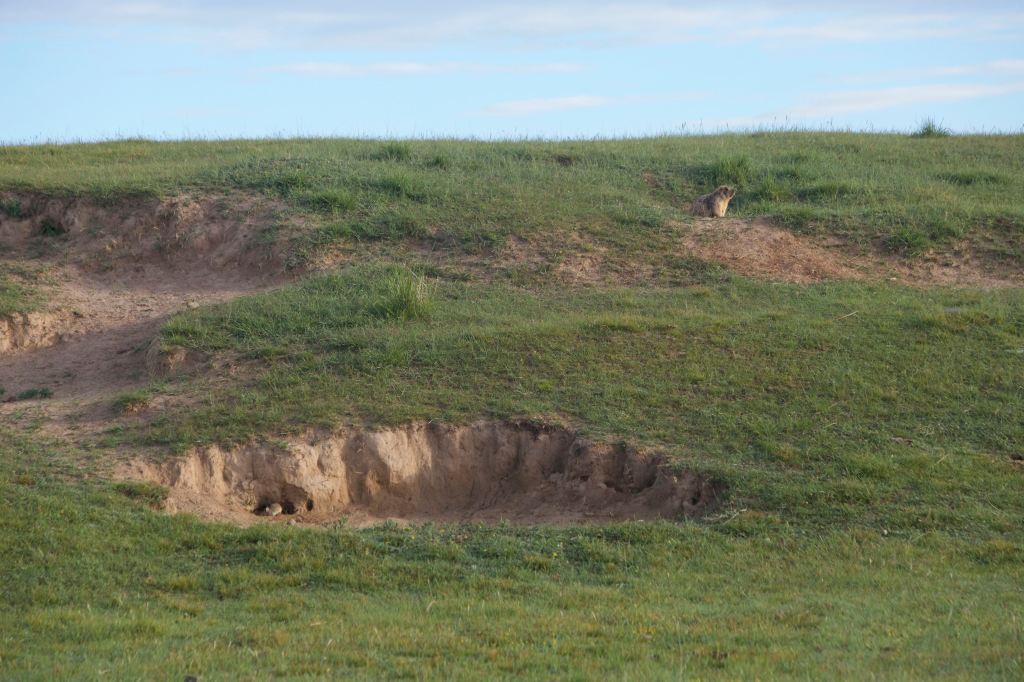
There were many other animals on the grassland. Plateau Pika was plentiful, chasing around on the prairie. They dig holes on the ground, so we often saw only its head above the ground, which is very cute. There was a Bobak Marmot sitting on a mound, we thought it was a Plateau Pika at first but then found out its significantly larger body size. At last, to our surprise, we found a species of a toad here. It’s called the Mongolian Toad. The climate here is normally cold due to its high altitude at 3400m, I never thought these amphibians would be here. But apparently I was wrong, there were numerous of them all the way we walked through, even in the hostel we lived!
Plateau Pika
Plateau Pika
Plateau Pika
Mongolian Toad
Bobak Marmot
Size comparison
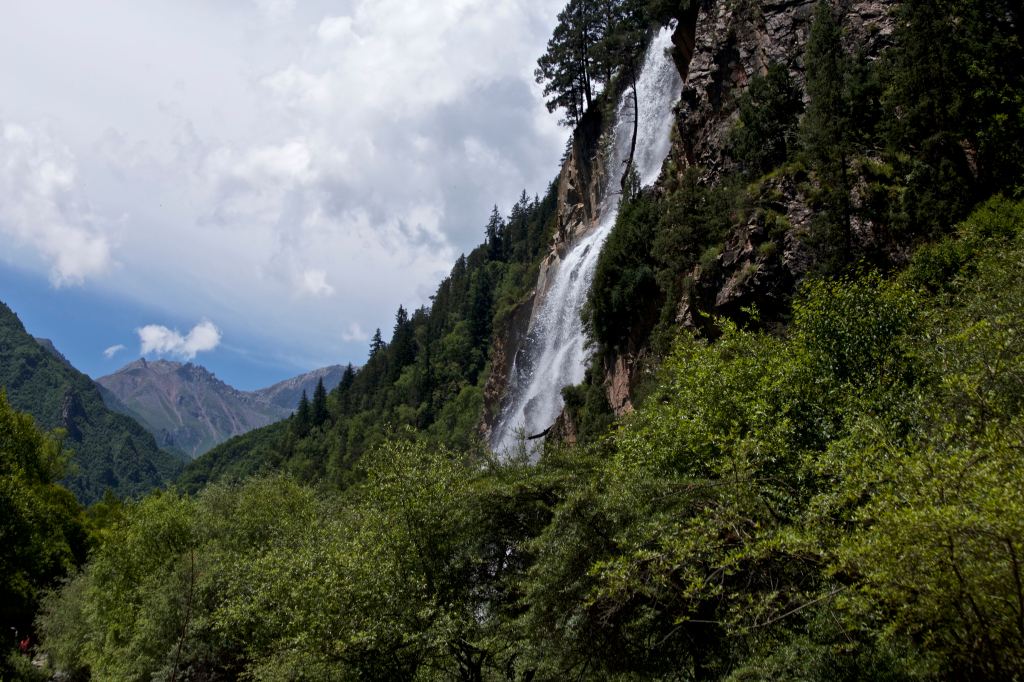
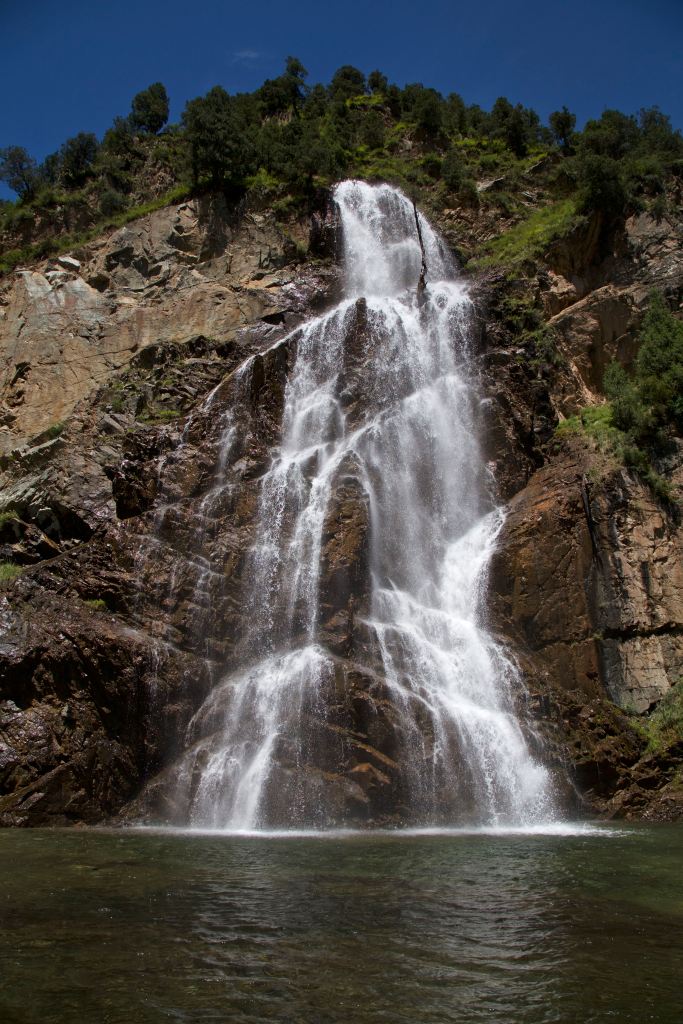
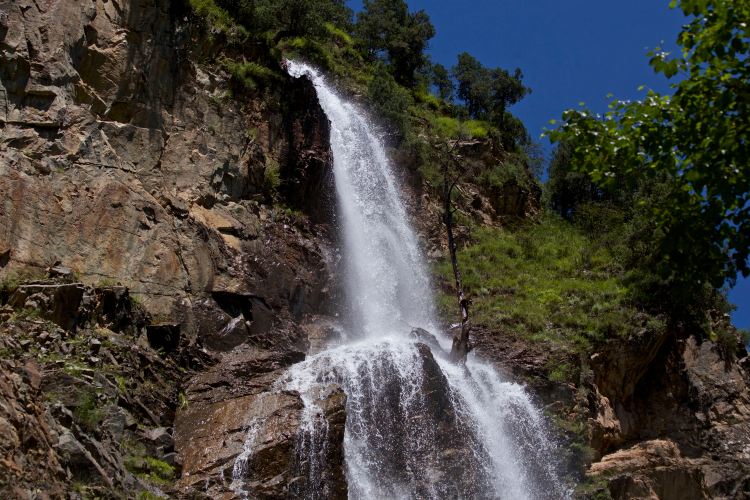
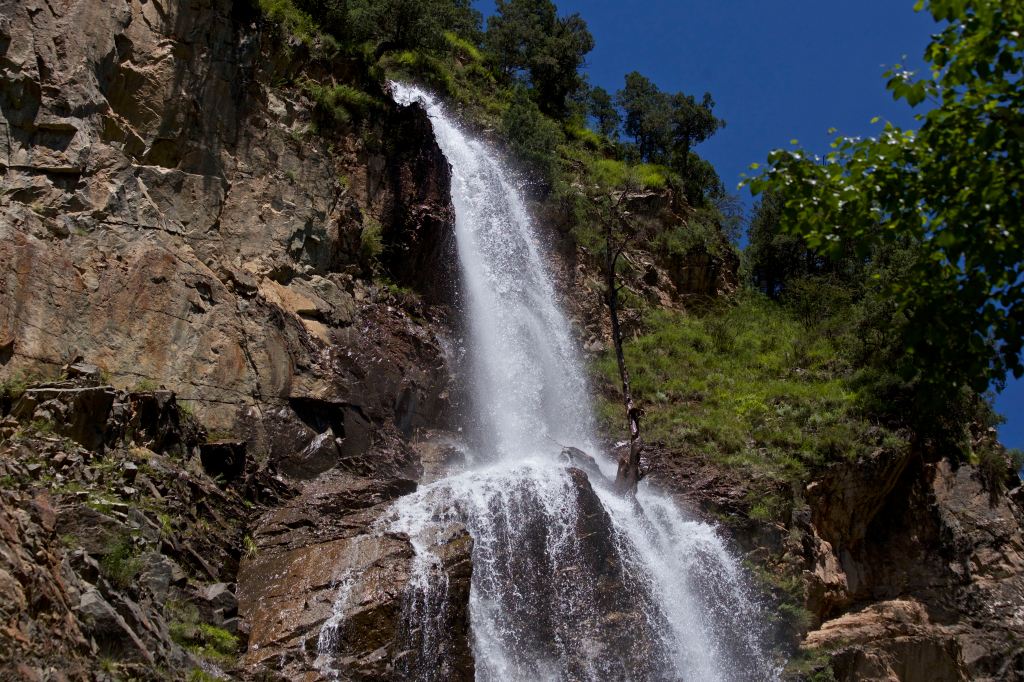
July 20th, Huzhu Beishan National Forest Park. This is the final attraction we went for the entire trip. The ecosystem here is more like that of Mati Temple, but with even more humidity. There are many waterfalls and rivers in the park, it’s a nice place to relax and take a deep breath.
Waterfall at Huzhu Beishan National Forest Park
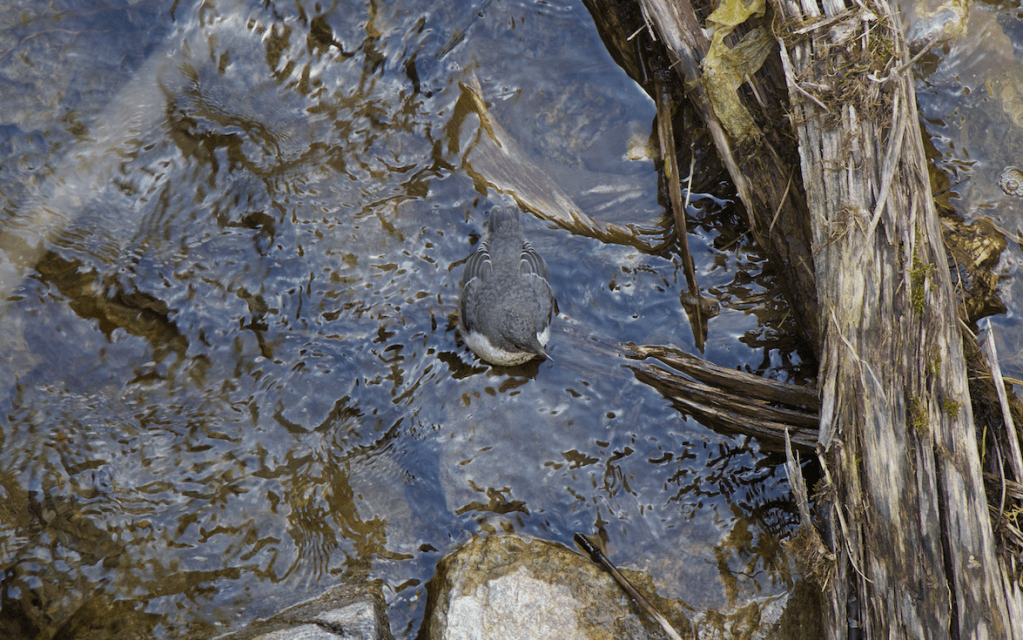
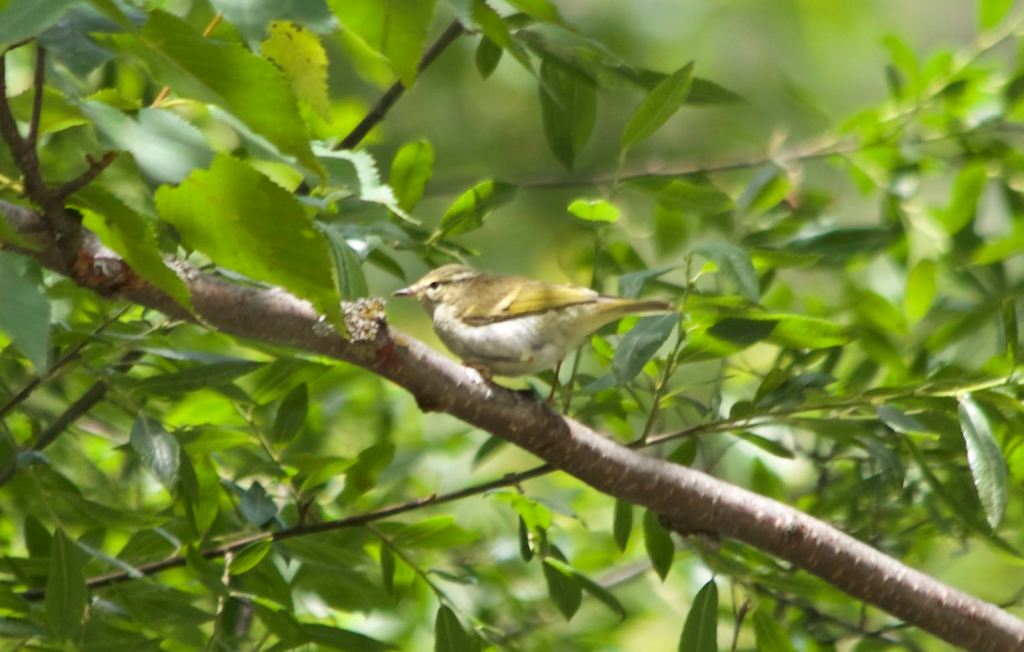
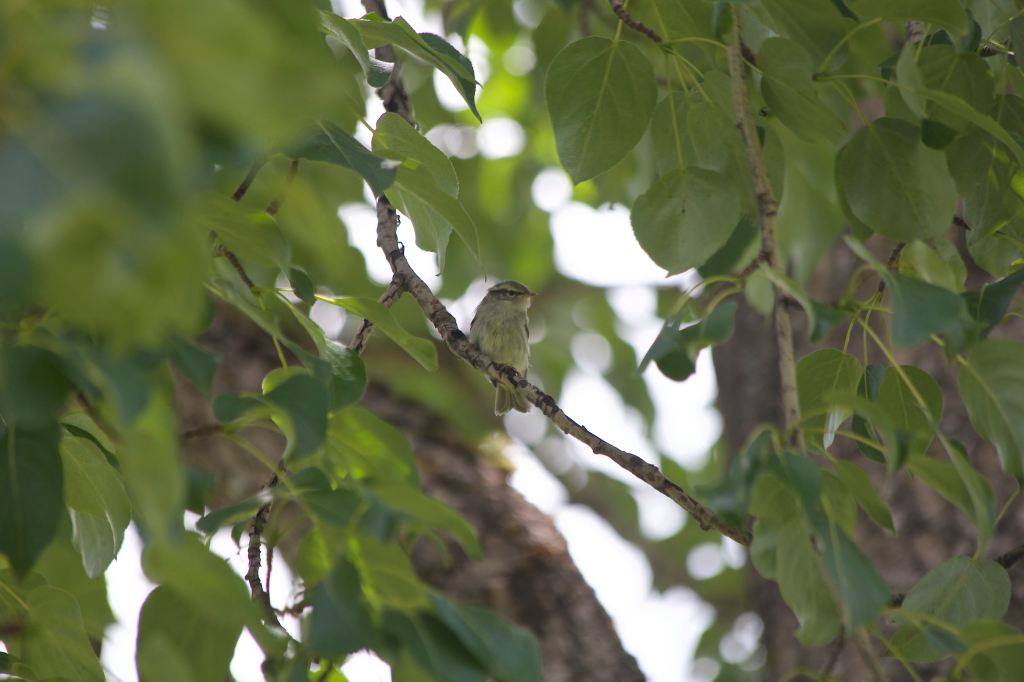
Most of the birds seen here were already seen in advance, but it was the first time we went to a river ecosystem in China, so the river birds were some new thing to me. These river birds include White-throated Dippers, Plumbeous Redstarts, and White-capped Redstarts. They were small and cute, frequently flying across the river. White-capped Redstarts were very bright and colorful, we couldn’t forget it after seeing it. In the forest, many warblers were singing loudly and clearly. Gansu Leaf Warblers and Greenish Warblers composed the population. An Olive-backed Pipit was seen with the warblers.
White-throated Dipper
Gansu Leaf-Warbler
Greenish Warbler
To sum up the trip, I saw about 95 species of birds. It’s not much, because our main purpose of the trip was still tourist attractions, the wildlife here were additional. However, I still saw some birds that I really wanted to see. I liked Himalayan Griffons and Red-billed Choughs the most when I first saw them on the internet. I was glad that I could see them in real life. Narrowly distributed species are always favored by bird watchers, we saw plenty of those in the trip, such as snowfinches, laughingthrushes, and many more. We still got a taste of the rich natural resources in Gansu and Qinghai. I am looking forward to a future visit if possible.
P.S. The images of the White-throated Dipper and the White-throated Redstart were photographed by my friend, Ching-Fang, Li.

 Proust's Blog